

Why the oil markets are yawning as Middle East powers rattle sabres
London
AT almost any other time, an escalating diplomatic conflict between Opec members Iran and Saudi Arabia would mean a spike in oil prices.
That the rally this time couldn't be sustained shows just how abnormal things are in the oil market. Brent crude has fallen 0.5 per cent this week as a supply glut and the slowest Chinese growth in a generation trumped mounting strife between the nations on either side of the world's busiest waterway for oil tankers.
"When oil supplies were tight, we've seen bigger reactions to geopolitical tensions," Tushar Tarun Bansal, a senior oil analyst in Singapore at industry consultant FGE, said by phone on Monday. "Now the price rise has actually been quite muted because the world is in a surplus situation."
There was little more than a blip in crude futures when Saudi Arabia severed diplomatic ties with Iran, as investors focused instead on record stockpiles and rising supply. As Kuwait and the UAE lined up to support Riyadh, the internal divisions that prevented the Organization of the Petroleum Exporting Countries from making production cuts even as prices plunged to an 11-year low appeared more entrenched than ever.
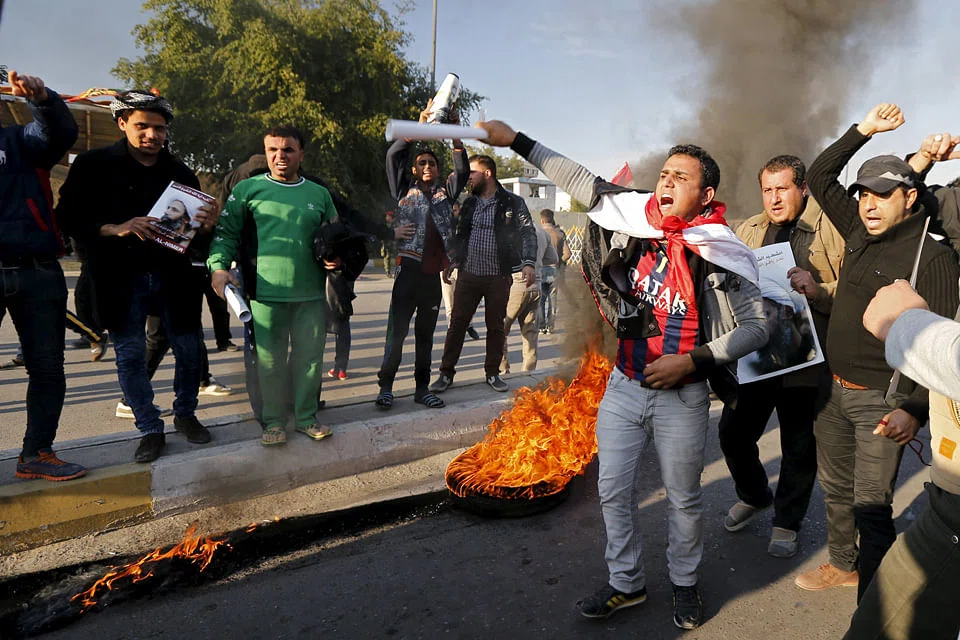
Saudi Arabia gave Iran's ambassador 48 hours to leave after protesters set its embassy in Teheran on fire following the execution of Saudi cleric Nimr al-Nimr, a critic of the kingdom's treatment of its Shi'ite minority. It was the worst clash between the nations since the 1980s, adding to proxy wars they were already fighting from Syria to Yemen in a quest to gain influence in the Middle East.
The impact of the tensions is limited because the oil market remains oversupplied, Macquarie Group Ltd analysts including Vikas Dwivedi said in a note. The events "may severely limit the possibility of peace in surrounding countries, but do not directly threaten crude oil production", the bank said.
The world is awash in oil after Opec members led by Saudi Arabia committed to a strategy of increasing market share by pressuring high-cost producers, rather than cutting output to support prices. This policy has resulted in record oil inventory levels that will probably keep growing for most of the year, the International Energy Agency (IEA) said last month. This provides a cushion against any unexpected turmoil.
Global benchmark Brent dropped 0.2 per cent on Monday, erasing a gain of as much as 4.6 per cent. Futures for February settlement fell another 0.3 per cent to US$37.10 a barrel at 9:27am on the London-based ICE Futures Europe exchange on Tuesday.
Should violence break out in the eastern province of Saudi Arabia - home to most of its Shi'ite community and its richest oil fields - the impact on prices could be more significant, according to Alexandre Andlauer, an oil analyst at AlphaValue SAS in Paris. "The Saudis will move quickly to quash any violence, but the question will be whether they can keep any protests from flaring out of control," Mr Andlauer said on Monday.
The dispute entrenches the biggest bearish factor in the oil market in the past year: Opec's decision to keep pumping amid falling prices.
Saudi Arabia and Iran are the largest and fifth-biggest producers in Opec, respectively. Their worsening relations make it even less likely the group could overcome internal differences and agree to an oil-output cut to boost prices, Macquarie said.
Last month, Opec effectively abandoned any limits on output and boosted production, according to a Bloomberg survey. The group would need to reach a consensus before making any change of policy that could reduce the glut. BLOOMBERG






