

Wind reliance could hamper Sweden's winter power supplies
 Add BT as a preferred source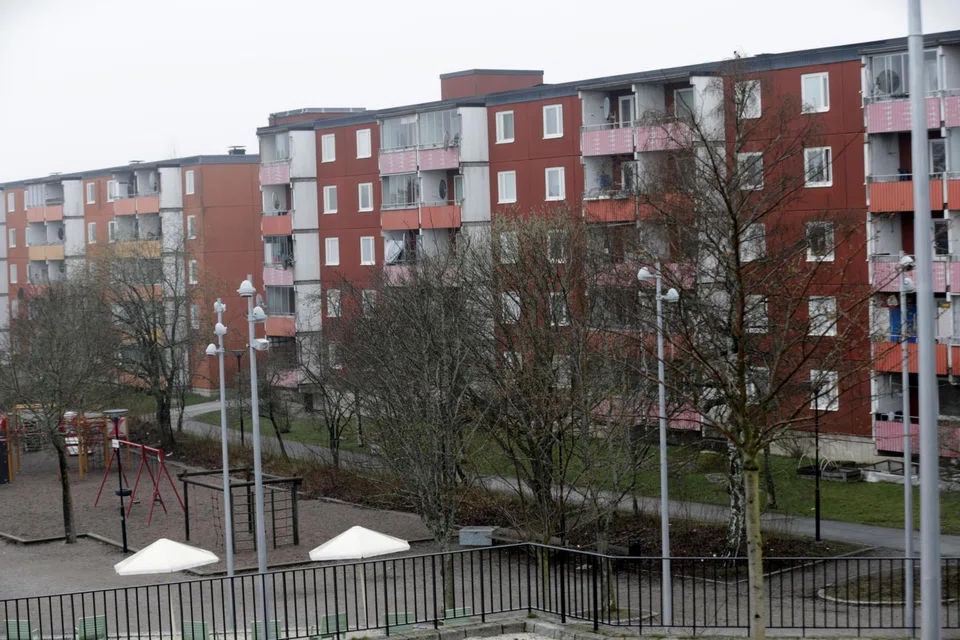
DeeperDive is a beta AI feature. Refer to full articles for the facts.
[OSLO] The rising share of intermittent wind power in Europe's energy supplies and grid constraints could make it harder for Sweden to source power imports at peak demand times in winter, grid company Svenska kraftnaet said on Monday.
Sweden may need to import up to 1,600 megawatts (MW) of electricity to cover peak consumption during a normal winter, roughly 6 per cent of last winter's peak demand of 25,500 MW, the transmission system operator (TSO) said in an annual review.
This projection was little changed from the previous winter, it added.
"However, Svenska kraftnaet's analyses show that the import possibilities for dealing with such a deficit may be limited if the same wind and temperature conditions also prevail in our neighboring countries, or if the import possibilities are reduced by network restrictions or other reasons," it said.
Sweden is expected to add 2,900 MW of new wind power capacity this year, but output is typically low at times of extreme cold, it added.
Across Europe, countries are also building out wind power to replace fossil fuels and cut emissions of carbon dioxide.
Navigate Asia in
a new global order
Get the insights delivered to your inbox.
The majority of Sweden's wind power is situated in the north, while the populous south could see a power deficit of 9,200 MW during the winter peak, Svenska kraftnaet's report showed.
Maximum grid transmission capacity between north and south would range between 6,300-7,300 MW, it forecast.
Svenska kraftnaet said it saw little progress in increasing the share of controllable electricity sources and flexibility among consumers, which could help curb imports.
Meanwhile, the TSO said it did not anticipate any need to secure back-up power contracts this summer to cover maintenance outages at power plants and on the grid.
Last year, it concluded such deals with operators of the since closed Ringhals 1 nuclear reactor, the oil-fired station Karlshamsverket and the gas-fired Rya district heating plant.
In 2020, Sweden's electricity generation mix was dominated by hydropower (45 per cent), nuclear (30 per cent) and wind power (17 per cent), according to industry figures.
REUTERS
Decoding Asia newsletter: your guide to navigating Asia in a new global order. Sign up here to get Decoding Asia newsletter. Delivered to your inbox. Free.
Share with us your feedback on BT's products and services
TRENDING NOW

Shelving S$5 billion office redevelopment plan proved ‘wise’ as geopolitical risks mount: OCBC chairman

Eurokars Group introduces rental car franchises Enterprise Rent-A-Car, National Car Rental, and Alamo to Singapore
20 photos that show how dramatically Singapore has changed in two decades
Singapore’s key exports up 15.3% in March from electronics surge, exceeding forecasts

