

With green energy, Japanese governor wants to take Fukushima out of nuclear shadow
 Add BT as a preferred source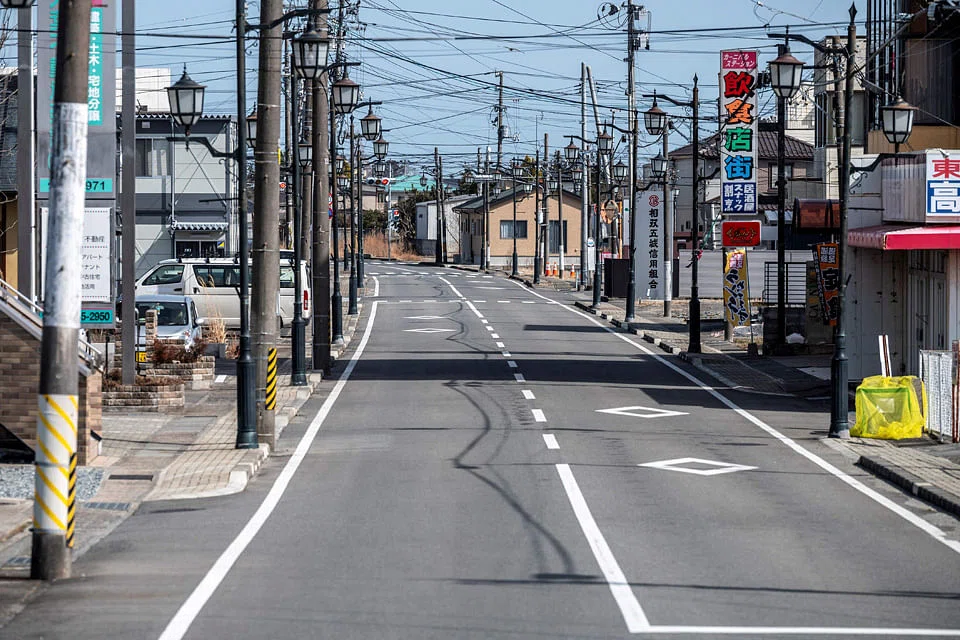
DeeperDive is a beta AI feature. Refer to full articles for the facts.
Namie, Japan
A DECADE after Japan's devastating nuclear meltdown, the governor of Fukushima hopes the prefecture can step out of the shadow of disaster and become a symbol for green energy, although some residents are sceptical.
The March 11, 2011, earthquake and tsunami ravaged north-east Japan and crippled the Dai-ichi nuclear plant. It also triggered widespread opposition to nuclear power, complicating energy policy for resource-poor Japan.
Helped by about 250 billion yen (S$3.08 billion) in government support, Fukushima has become Japan's biggest commercial-scale solar power generator and home to one of the world's largest green hydrogen plants, the 10 megawatt (MW) Fukushima Hydrogen Energy Research Field.
"Fukushima needs to achieve 100 per cent renewable power, as we will not rely on nuclear energy," Governor Masao Uchibori told Reuters on Wednesday.
The government and major corporations are pushing hydrogen.
Navigate Asia in
a new global order
Get the insights delivered to your inbox.
A Toshiba-developed hydrogen plant opened last year in Namie, a town evacuated after the meltdown, using an adjoining 20MW solar farm to power the process.
A new transmission line will eventually add 360MW of wind power, putting Fukushima on track for 100 per cent renewable energy by 2040, Mr Uchibori said.
"By making Namie the town of hydrogen, we want to support the regional economy and create a new symbol," he added.
Toyota Motor Corp's president visited last week and pledged new pilot projects. But some residents say they need support with everyday life, not green energy projects.
"Namie needs more basic infrastructure such as hospitals that are open for 24 hours and care homes for the elderly," said one 27-year-old man.
He returned last year, but without his parents because hospitals aren't open on the weekends. He declined to be named because of the sensitivity of the issue.
Mr Uchibori said the local government wants to restore infrastructure, develop new projects and attract residents.
Tokuko Shiga, 73, a shopworker, said projects weren't providing enough local jobs. Even if there were jobs, many evacuees live elsewhere, she said.
Many green projects are geared towards big companies and supplying Tokyo with power, just as the nuclear plant did, said Yauemon Sato, a Fukushima sake brewer who started a renewable power company.
His company has built 6MW of solar farms and plans more.
"We need a business model that helps the local community and promotes autonomy," he said. AFP
Decoding Asia newsletter: your guide to navigating Asia in a new global order. Sign up here to get Decoding Asia newsletter. Delivered to your inbox. Free.
Share with us your feedback on BT's products and services
TRENDING NOW

Shelving S$5 billion office redevelopment plan proved ‘wise’ as geopolitical risks mount: OCBC chairman

China pips the US if Asean is forced to choose, but analysts warn against reading it like a sports result

Beijing’s calculated silence on the Iran war

Middle East-linked energy supply shocks put Asean Power Grid back in focus

