

Zero-Covid policies and pollution curbs stunt China's oil demand
 Add BT as a preferred source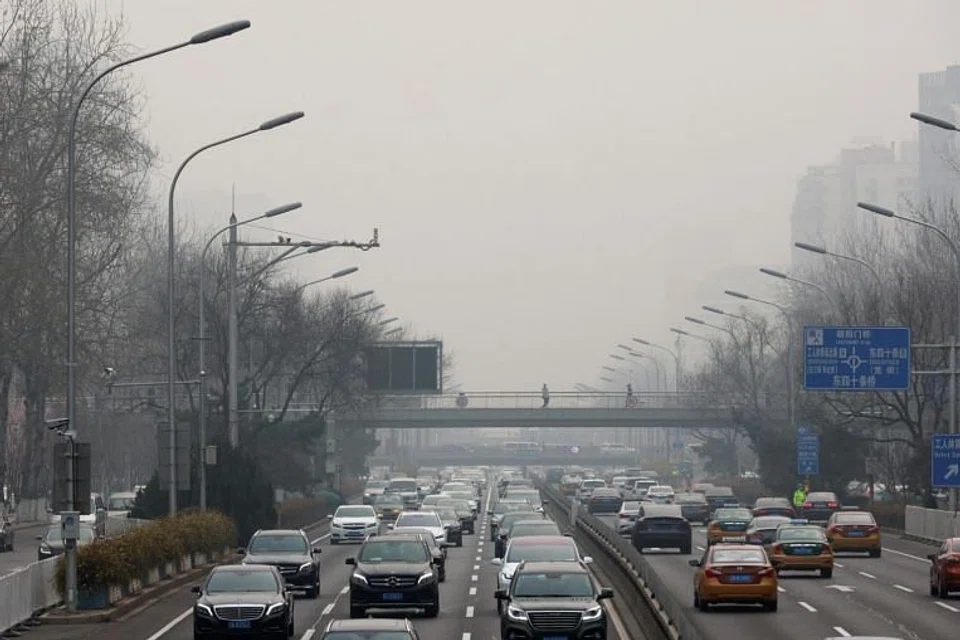
DeeperDive is a beta AI feature. Refer to full articles for the facts.
Beijing
CHINA, the world's biggest buyer of crude, is set to start 2022 with a subdued appetite for oil. For that, you can blame - or thank - Beijing's increasingly tough line on Covid, pollution, and rule-breakers.
The winter months are usually the time when refiners buy crude to replenish inventories, particularly ahead of holiday trips over the Chinese New Year period. But uncertainty over the severity of the new Omicron variant, and China's unwillingness to live with the virus, continue to impede travel plans. The picture heading into the new year is one of stuttering demand growth, which is showing up in a plunge in the market for domestic fuels and cuts to refinery operating rates and margins. The drag on prices will be a comfort to the inflation hawks at the central bank, and could even derail plans by the Organization of the Petroleum Exporting Countries and its allies (Opec+) to raise production when the alliance meets again early next month.
China's crude imports in January 2022 are expected to be marginally higher than a year earlier, but will be soften towards the end of the quarter, estimated FGE. The industry consultant predicts purchases will be about 10.7 million barrels a day in March - more than 1 million barrels a day lower than the corresponding period in 2021. Imports this year are already on track to register the first yearly decline since records began in 2004.
The nation's zero-Covid policies are affecting operations, too. Ningbo city in the east cancelled all flights to Beijing after a positive case was found on Dec 6. The ensuing lockdown caused disruptions to deliveries, operations and trade at the largest refinery run by China Petroleum & Chemical Corp in the city's Zhenhai district, said industry consultant JLC. On Wednesday (Dec 15), China reported 50 local infections as an outbreak swelled in Zhejiang province.
If the headwinds persist, it could mean that the China's consumption of crude peaks earlier than 2025, the date predicted by the nation's oil majors, which would a massive boon to President Xi Jinping's climate goals.
Navigate Asia in
a new global order
Get the insights delivered to your inbox.
The situation is a far cry from earlier in the year, when China's rapid recovery from the pandemic, juiced by a massive expansion in credit and government spending, was the brightest spot in a global market that was otherwise reeling from Covid's effects on demand.
The Beijing Olympics in February will be another obstacle for traders. The government is likely to insist on blue skies to showcase the event - and that means industrial activity, from steelmaking to oil processing, will suffer. The upshot is that growth in China's crude demand in early 2022 will be "somewhat limited" by the government's anti-pollution policies, said FGE.
Chinese refiners have been fairly inactive in the spot market this month as plants are hesitant to book cargoes that are due to arrive around the Games, said traders. The expectation is that refining hubs in the Hebei and Shandong provinces will have to cut runs.
Refining profits and fuel prices are already taking a hit. Theoretical refining margins for state refiners processing Oman crude fell to 423.4 yuan (S$90.97) a tonne in the week ended Dec 8, the lowest level in 13 months, showed data tracked by ICIS. Market prices of 95-RON petrol and Grade Zero diesel fell 10 per cent and 5 per cent respectively in November, government data showed.
China's intensified regulatory scrutiny across a swathe of industries, from the tech sector to education firms, is also being applied to its army of independent oil refiners. Many of the so-called teapots are being investigated for not paying enough tax and those found guilty could see their crude import quotas cut, further crimping oil demand. BLOOMBERG
Decoding Asia newsletter: your guide to navigating Asia in a new global order. Sign up here to get Decoding Asia newsletter. Delivered to your inbox. Free.
Share with us your feedback on BT's products and services
TRENDING NOW

Shelving S$5 billion office redevelopment plan proved ‘wise’ as geopolitical risks mount: OCBC chairman
OCBC is said to emerge as lead bidder for HSBC Indonesia assets

Middle East-linked energy supply shocks put Asean Power Grid back in focus

Eurokars Group introduces rental car franchises Enterprise Rent-A-Car, National Car Rental, and Alamo to Singapore

