Euro rises as inflation takes centre stage, bank fears recede
 Add BT as a preferred source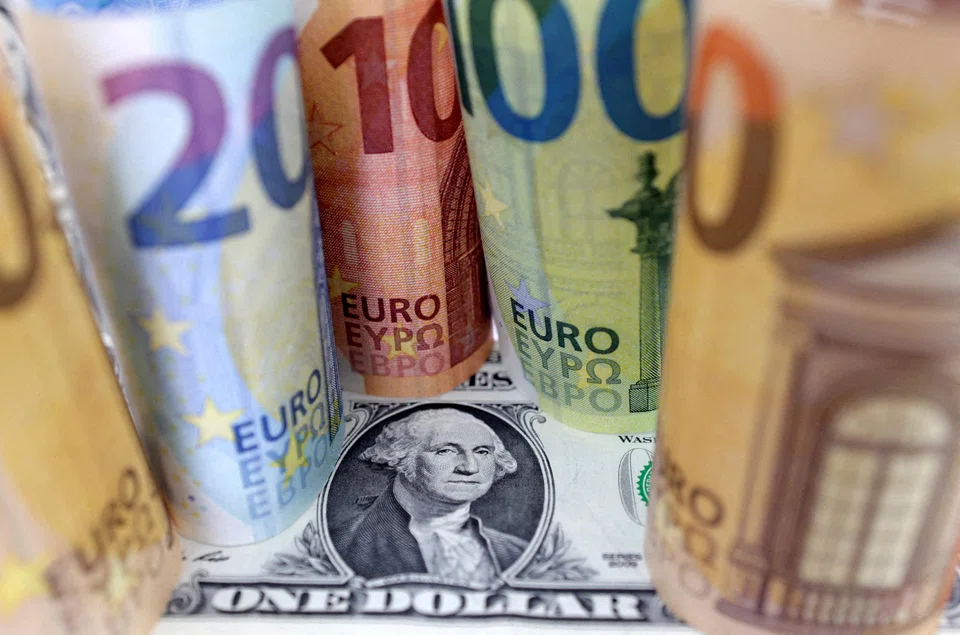
THE euro rose against the US dollar on Thursday (Mar 30) as investors switched focus to inflation for more hints on central banks’ next rate moves, as concerns over the banking sector receded.
Inflation is expected to ease significantly in Germany in March on the back of lower energy prices, preliminary data from six economically key states in the country showed on Thursday.
Preliminary inflation figure for the eurozone’s largest economy is due at 1200 GMT.
Separately, data showed that Spain’s consumer prices rose 3.3 per cent year on year in March, the slowest pace since the 12-month period through August 2021 and less than expected by analysts.
The European Central Bank (ECB), which has made it clear future rate hikes will depend on economic data, has increased its key deposit rate by 350 basis points to 3 per cent since July as it seeks to tame surging inflation.
According to Refinitiv data, money markets are currently pricing in two 25 basis point rate hikes by the ECB by September.
“With the ECB squarely focused on core inflation dynamics, our economists’ forecast for euro area core inflation to rise to 5.72 per cent in tomorrow’s release is unlikely to dissuade the central bank from its current hawkish stance,” Goldman Sachs said in a note to clients.
Eurozone inflation data is due on Friday.
ECB board member Isabel Schnabel said on Wednesday underlying inflation in the eurozone is proving sticky and the recent fall in energy costs may not pull it down as fast as some expect.
The euro rose 0.3 per cent to US$1.0880, and was on track to end the month with an almost 3 per cent gain.
The US dollar index, which measures the currency against six major peers, was 0.2 per cent lower at 102.38, as banking crisis worries faded. It was on course to clock a 2.5 per cent decline for March due to market tumult triggered by the collapse of US lender Silicon Valley Bank and culminated in the emergency takeover of Credit Suisse by rival UBS.
The US dollar had been under pressure from the possibility that the Federal Reserve (Fed) may have to relent in its fight against inflation and pause rate hikes.
But with no further signs of cracks in the financial sector and after steps taken by regulators, investor nerves have been calmed for now.
“The broader risk sentiment appears sustained as bank contagion concerns continued to fade,” said Christopher Wong, a currency strategist at OCBC in Singapore.
Data on US personal consumption expenditures due on Friday will provide further clues on inflationary pressures in the world’s largest economy.
“With recession fears fading off, the market’s focus is now turning to the upcoming US PCE data later this week, which is seen as the Fed’s favourite inflation parameter,” said Tina Teng, an analyst with CMC Markets.
Sentiment also improved after the tech behemoth Alibaba announced plans on Tuesday to split into six units, which investors have taken as a signal that Beijing’s regulatory crackdown on corporations is ending.
Elsewhere, the Japanese yen strengthened 0.3 per cent to 132.46 per US dollar, after falling 1.5 per cent on Wednesday. The currency has been volatile in the run-up to the end of the Japanese fiscal year on Friday. REUTERS
Decoding Asia newsletter: your guide to navigating Asia in a new global order. Sign up here to get Decoding Asia newsletter. Delivered to your inbox. Free.
Share with us your feedback on BT's products and services