

Euro, sterling drop on weak PMIs, dollar hits 2-month high
GLOOMY business activity data from the euro area and Britain sent the euro and pound tumbling against the dollar on Wednesday (Aug 23), pushing the greenback to its highest level in two months.
HCOB’s flash Composite Purchasing Managers’ Index (PMI) for the euro area, compiled by S&P Global, dropped to 47.0 in August from July’s 48.6, its lowest since November 2020. The services component sank to 48.3 from 50.9, its first time below the 50 mark this year.
The German composite figure fell to its lowest since May 2020 as a deepening downturn in manufacturing output was accompanied by a renewed contraction in services activity.
The single currency weakened after the German data, hitting its lowest level against the dollar since Jun 15 at US$1.0805.
“The decline in services activity was a sharp move and we’ve seen a soft euro environment,” said Niels Christensen, chief analyst at Nordea. “If inflation data continues to slow then the European Central Bank might pause their tightening cycle in September.”
It was a similar picture for the pound, which fell to its lowest level in over a week at US$1.2623, after the S&P Global/CIPS PMI tumbled to 47.9 in August, the lowest level since January 2021, while the survey also showed price and cost pressures eased.
The dollar rose to a two-month peak after the data, with investors looking to Federal Reserve chair Jerome Powell’s speech this week at the Jackson Hole Symposium for cues on the monetary policy path.
The dollar index, which measures the US currency against six rivals and is most heavily weighted to the euro, rose to 103.95, its highest level since Jun 8. The index is up 2 per cent in August, on course to snap a two-month losing streak.
A recent run of strong US economic data has helped allay worries of an impending recession but with inflation still above the Fed’s target of 2 per cent, investors are wary that the central bank may keep rates in a higher range for longer.

“There’s no reason for Powell to close the door for more rate hikes or make a firm promise to hike more,” Nordea’s Christensen said. “The US economy is slowing a bit but is holding up much better than Europe and that could give the dollar the upper hand.”
Meanwhile, the yen strengthened 0.4 per cent to 145.30 per dollar but was not far off the nine-month milestone of 146.565 touched last week, leaving traders on tenterhooks as they warily watch for any signs of intervention.
The dollar’s break above 145 yen last year triggered intervention, and speculation has begun mounting that Tokyo could soon step into the market to support its currency again if the yen weakens further.
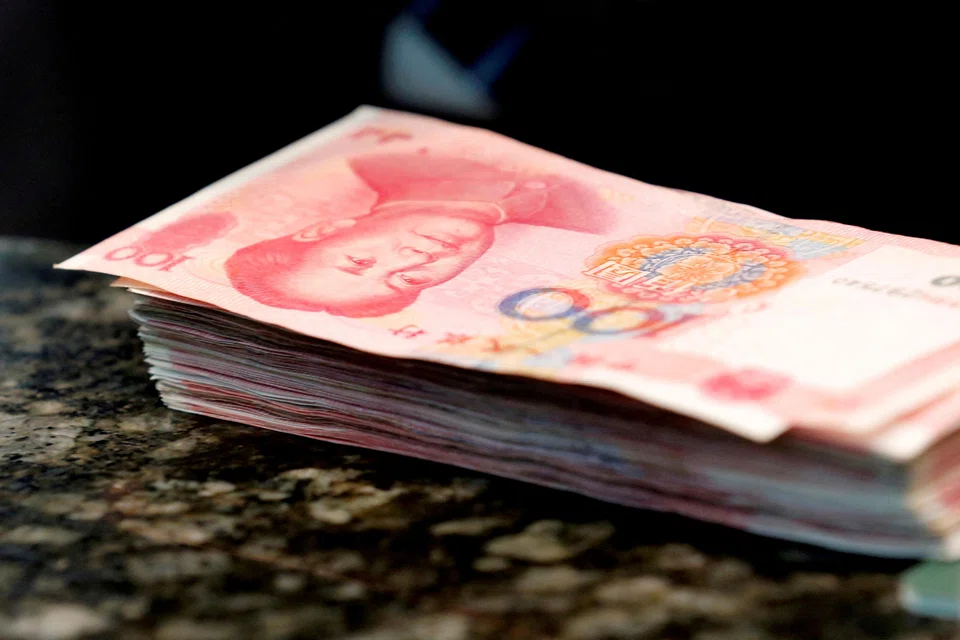
Another Asian currency that has worried investors is China’s yuan, which is down over 5 per cent this year against the dollar largely due to concerns over the country’s deepening property crisis, which is putting further downward pressure on China’s sputtering post-pandemic economic recovery. The spot yuan opened at 7.2870 per dollar on Wednesday and was last changing hands at 7.2899. REUTERS
Decoding Asia newsletter: your guide to navigating Asia in a new global order. Sign up here to get Decoding Asia newsletter. Delivered to your inbox. Free.
Share with us your feedback on BT's products and services
TRENDING NOW

Singapore identifies 7 firms responsible for haze fires, notices issued urging action: Grace Fu

‘How many will survive?’: Bubble fears arise as China’s humanoid robotics face reality check

GIC-backed Bank Jago sees wealth management as next growth engine as Indonesian investor base grows

Ageing in Asia: Huge potential for the consumer economy

