
Europeans are looking for ways to hack home energy use
 Add BT as a preferred source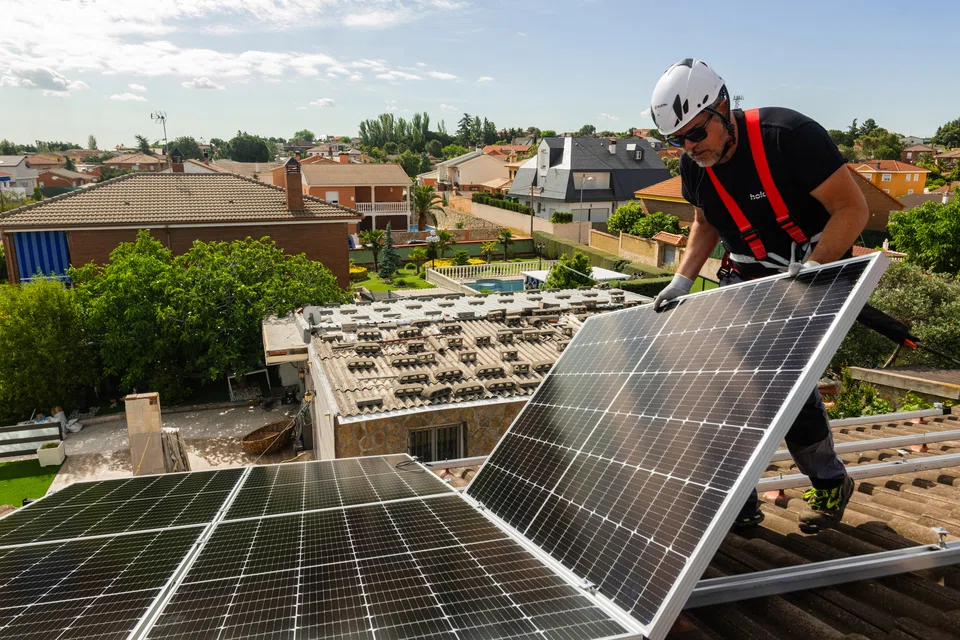
SOARING heating and electricity bills are pushing Europeans to find hacks that will cut their energy use and reduce costs.
Mats Johansson installed 30 solar panels with a production capacity of 13.5 kilowatts on his house in Halmstad, south-west Sweden earlier this year. The nation has some of the highest rates of energy consumption per capita in Europe – largely thanks to cold winters with few daylight hours – which means that measures to cut back pay off all the more.
The savings equate to “loads of money for me”, Johansson said. His solar panels have produced more energy than his family uses, and have saved them some 22,000 kronor (S$2,838) so far this year.
Johansson’s efforts are being mirrored in homes across Europe after Russia’s invasion of Ukraine sparked the worst energy crisis in decades.
Two-thirds of Swedish households reported making home improvements in the last six months, which includes switching to more efficient lighting as well as sealing windows and doors. 70 per cent of Germans say that they have spent money on energy-saving products this year. In the UK, about a quarter said that they were considering making efficiency-related changes in their homes, according to a May survey.
Despite such efforts to save energy, the continent’s leaders say that more needs to be done to reduce natural gas consumption, with storage facilities experiencing a rapid decline in recent weeks amid the region’s first real cold snap. The problem is likely to intensify during future winter seasons, when the region cannot count on Russian supplies.
Navigate Asia in
a new global order
Get the insights delivered to your inbox.
“The fact that so many have gathered knowledge, changed their energy consumption, and are also planning to implement future measures is positive given the circumstances,” said Robert Andren, director-general of Sweden’s Energy Agency. Changes being made now can make a difference “many years into the future”.
Britain last month launched a £1 billion (S$1.6 billion) scheme which aims to improve insulation of the nation’s least energy-efficient homes. In Germany, a similar programme that already existed before the crisis was adapted this year to encourage renovations of older buildings, making it available to more people.
The focus on energy optimisation has also raised interest in so-called “passive houses” – ultra-low-energy buildings that were first conceptualised in the aftermath of the 1970s oil crisis. They combine various building, insulation and ventilation techniques to trap and reuse body heat, eliminating the need for conventional heating systems.

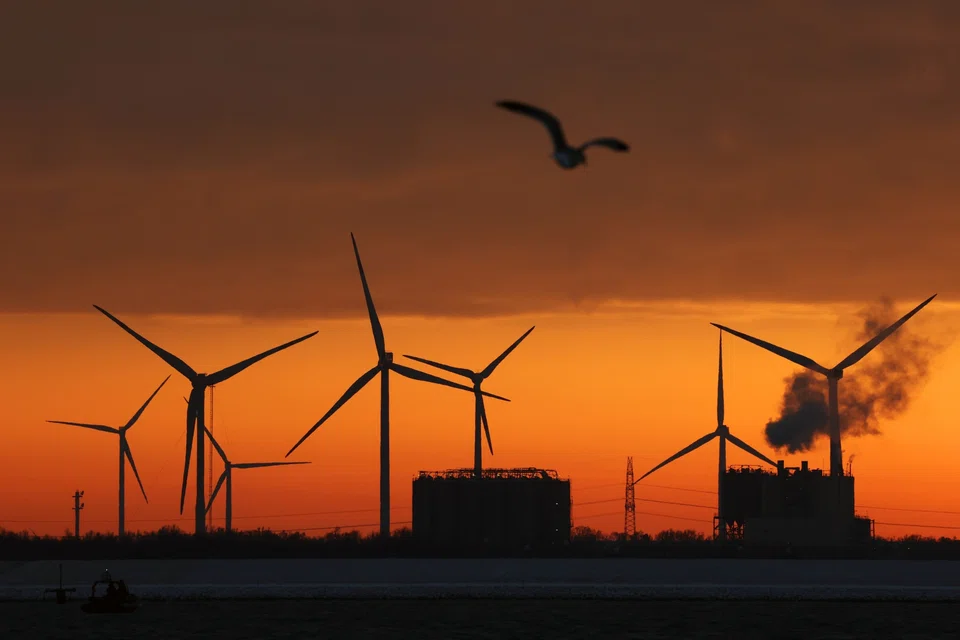
Sweden’s Fiskarhedenvillan, a company that builds various types of houses, said it has seen increased demand for its passive models since the start of the energy crisis.
Norrsken, a UK firm that also manufactures such homes as well as energy-efficient windows, said there has been a “definite increase” in the number of people inquiring about upgrading their windows and doors. While their work in the last 12 months has consisted of 66 per cent new-builds, in the last 2 months, home improvements have made up more than half their orders.
For a lot of consumers, however, the squeeze on their cost of living might make spending on home refurbishments unattainable in the short term. This means that more simple hacks to cut electricity use, such as switching off lights or using lower-power appliances, are more widely achievable. BLOOMBERG
Decoding Asia newsletter: your guide to navigating Asia in a new global order. Sign up here to get Decoding Asia newsletter. Delivered to your inbox. Free.
Share with us your feedback on BT's products and services

