Europe’s petrol prices show market fears plunging back into crisis
 Add BT as a preferred source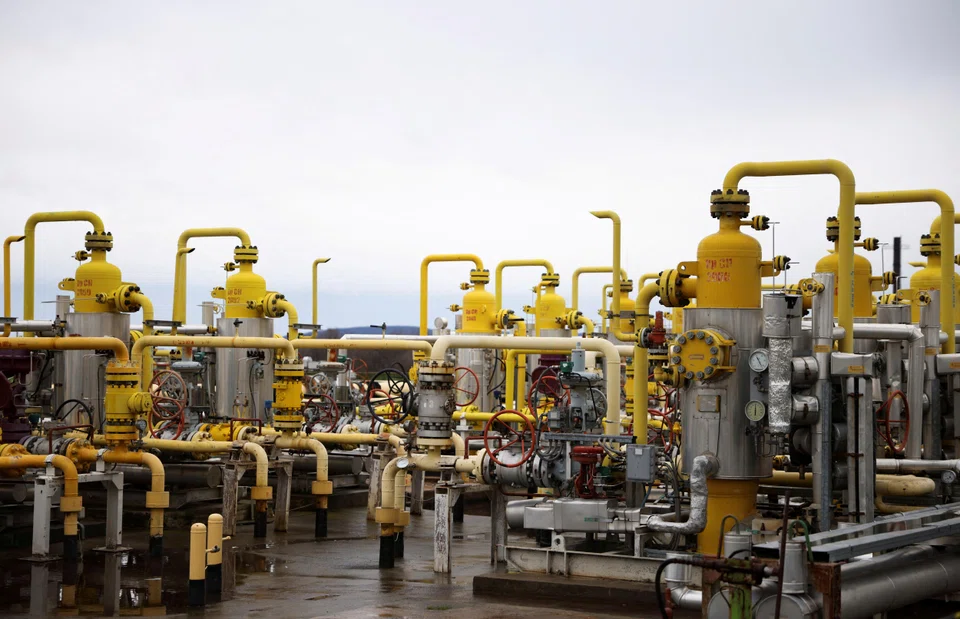
DeeperDive is a beta AI feature. Refer to full articles for the facts.
THE petrol market is flashing warning signs that Europe could easily plunge back into crisis.
Huge price swings caused by a series of small outages at petrol facilities in Norway and the planned shutdown of a key production site in the Netherlands have provided a glimpse of how fragile the market is to any threat of disruption to the region’s supply.
Traders have every reason to feel relaxed: storage sites are more full than usual and demand in Asia remains muted. And yet, volatility is at levels not seen since the height of the crisis. The lack of stability is bad news for industrial customers trying to get back on an even keel and for central banks trying to gauge how far to squeeze economies with tighter rates to keep inflation in check.
“This was a taster of the potential risk to come,” said Nick Campbell, a director at Inspired Energy. “While this may convince large industrials to keep lower production or sites mothballed, which will ease any demand increase, all eyes are on supply.”
Record-high energy prices were a core driver of the cost-of-living crisis engulfing Europe this past year. Germany, the region’s biggest economy, endured its first recession since the start of the pandemic during the first quarter. Britons struggling with double-digit inflation staged nationwide strikes across a number of industries.
The fact that the market is once and again flashing warning signs just as it seeks to rebuild its energy infrastructure may not bode well for the European Central Bank’s fight to curb persistent inflation. Although cost pressures have abated somewhat from their peak, they still are damping industrial activity, with traders saying that some demand could be permanently lost since many manufacturers that slowed production haven’t returned to normal yet.
Navigate Asia in
a new global order
Get the insights delivered to your inbox.
Hotter-than-normal summer weather could also drive up energy demand for cooling. Last year, a drought across parts of the continent and deadly heatwaves dried up rivers, caused wildfires and tested the region’s energy infrastructure while prices skyrocketed.
China is also a factor as it wrestles with a weaker-than-expected economic recovery from strict coronavirus lockdowns. A return of Chinese liquefied natural gas demand later in the year as the government weighs a stimulus package to boost the economy could leave Europe tight during crucial months for heating.
Benchmark futures jumped as much as 30 per cent on Thursday alone to their highest level since early April. Earlier in June, futures slumped to a two-year low.
While the market is in a “much better” position that last summer, petrol prices could yet more than double should these risks all play towards a tougher petrol outlook, according to Massimo Di Odoardo, vice-president, petrol and LNG research at Wood Mackenzie.
“Europe is not out of the woods yet, but a repeat of last summer prices at the peak of the market seems unlikely,” Di Odoardo said. BLOOMBERG
Decoding Asia newsletter: your guide to navigating Asia in a new global order. Sign up here to get Decoding Asia newsletter. Delivered to your inbox. Free.
Share with us your feedback on BT's products and services