Exxon beats Q1 earnings estimate despite hit from Iran conflict
Adjusted earnings for the quarter were US$1.16 per share, above the consensus estimate of US$1
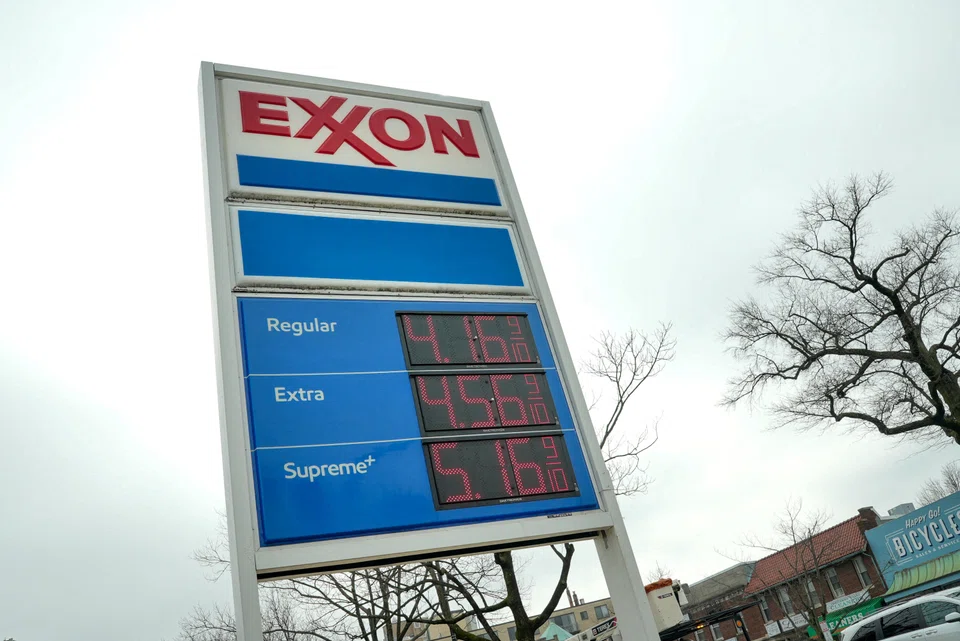
[HOUSTON] Exxon Mobil beat estimates for first-quarter adjusted earnings on Friday (May 1), though unadjusted profit dropped to its lowest level in five years due to disrupted shipments as a result of the Iran war and paper losses from hedging activity.
Adjusted earnings for the first three months of the year were US$1.16 per share, above the consensus estimate of US$1 as compiled by LSEG.
The adjusted figure excluded a US$700 million loss from cargoes that could not be delivered as a result of the unprecedented energy market disruption caused by the Middle Eastern conflict that began at the end of February.
Excluding the impact of financial derivatives that in the short term have a negative impact, earnings were US$2.09 per share. Net income for Q1 was US$4.2 billion, down from US$7.7 billion in the same period in 2025, and its lowest since the first quarter of 2021.
Benefit of higher oil prices
The US oil producer benefited from higher oil prices and increased production from its primary assets in the Permian Basin and Guyana, which helped to offset production disruptions in the Middle East.
In a statement, Exxon CEO Darren Woods said the company was stronger than it was a few years ago, but “events in the Middle East tested that strength”. The conflict in the Middle East has driven international oil prices to well over US$100 a barrel, but the effect on oil majors’ profits has been uneven.
Exxon previously disclosed a multibillion-dollar hit from the timing effects that it expects to unwind in subsequent quarters, in contrast to British oil major BP, which this week reported higher profits driven by its oil trading operations.
Exxon uses financial derivatives to mitigate the risk of price changes during the time it takes to deliver cargoes to customers. The value of the physical shipment is not reflected in earnings until the transaction is complete, creating a timing impact, the company said.
“In general, it takes a few months for that to unwind,” Exxon chief financial officer Neil Hansen said in an interview, though he added it is hard to predict the potential for further timing effects, which will depend on how commodity prices change.

Earnings from upstream, including identified items, were US$5.7 billion, up 63 per cent from the previous quarter and down 15 per cent from last year.
Downstream results registered a loss of US$1.3 billion compared with a profit of US$827 million last year. Excluding all timing impacts, Exxon said downstream profits were US$2.8 billion.
High exposure to the Middle East
Hansen said the underlying business was resilient and that, excluding all timing impacts and undelivered cargoes, net income grew compared to the previous year. About 20 per cent of Exxon’s oil and gas production is located in the Middle East, meaning it has one of the highest exposure rates among its rivals. Chevron, the No 2 US oil producer, said on Friday that less than 5 per cent of its production comes from the region.
Exxon said that if the Strait of Hormuz is closed for the entire Q2, that will result in 750,000 barrels per day of reduced production from the Middle East compared with last year. Disruptions due to the war lowered first-quarter production by 6 per cent compared with the previous three months, Exxon said in a regulatory filing earlier this month.
Exxon’s most significant upstream assets are the Permian Basin and offshore production in Guyana. Hansen said Guyana production hit a new record, and that the company is continuing to grow in the Permian.
Exxon’s free cash flow was US$2.7 billion during the first quarter, down from US$8.8 billion in the year-ago period. The company paid US$4.3 billion in dividends and repurchased US$4.9 billion worth of shares during the first quarter.
Cash capital expenditures totaled US$6.2 billion, in line with the company’s full-year guidance. REUTERS
Decoding Asia newsletter: your guide to navigating Asia in a new global order. Sign up here to get Decoding Asia newsletter. Delivered to your inbox. Free.
Share with us your feedback on BT's products and services