

Fashion retailer H&M’s Q4 operating profit tumbles more than expected
 Add BT as a preferred source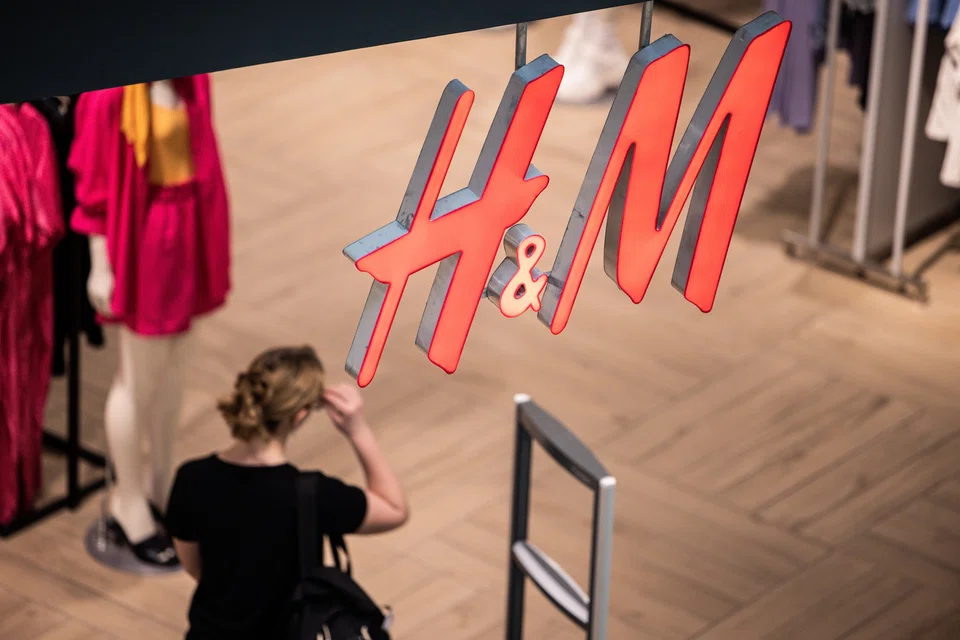
H&M, the world’s second-biggest fashion retailer, on Friday (Jan 27) reported a larger-than-expected dive in operating profit for its fiscal fourth quarter, as it was slammed by soaring costs and weakening consumer confidence.
The Swedish group’s operating profit for the period, which was from September to November, was 821 million kronor (S$105 million), an 87 per cent drop from 6.26 billion kronor a year earlier. A Refinitiv poll of analysts had forecast a figure of 3.67 billion kronor for the period.
The stock fell as much as 7.9 per cent.
H&M said its lower Q4 profit was mainly due to “negative external factors, loss of the operating profit previously contributed by Russia, and the one-time cost of the cost-and-efficiency programme”.
The scale of the decline is so big that investors will doubt chief executive officer (CEO) Helena Helmersson’s forecasts for improvement in sales and profitability, wrote James Grzinic, an analyst at Jefferies.
The fast-fashion giant is still struggling with high inventory levels as its profitability lags that of rival Zara-owner Inditex.
H&M buys a greater proportion of its garments from Asia than Inditex, which is more expensive because it requires shipping over longer distances. The retailer said it is trying to shift more purchasing to nearer countries to reduce costs.
The company said 3.6 billion kronor were lopped off from profit due to higher costs for energy, freight and garments, plus the effect of a strong US dollar, the currency in which most clothes are sourced.
Sales returned to growth in December and January, rising 5 per cent during the key holiday period following a flat Q4. However, the company warned that discounts are rising slightly in its first quarter, and purchasing conditions are still very negative, with prospects for improvement only later in the year.
SEE ALSO





H&M said it decided not to pass on all the garment price inflation to consumers, which is also weighing on profitability.
The company reiterated a target for an operating margin of more than 10 per cent in fiscal 2024. In fiscal 2022, the margin dropped to 3.2 per cent, less than half the year-earlier level.
“There are very good prerequisites for 2023 to be a year of increased sales and improved profitability,” CEO Helmersson said in the statement.
The company said it expects to close 100 stores on a net basis this year.
In September, the company launched a drive to cut costs by two billion kronor annually. It expected savings from layoffs and other measures to start showing from the second half of 2023.
It signalled in November that it would cut about 1,500 jobs and also book a Q4 restructuring charge of 800 million kronor for its programme. REUTERS, BLOOMBERG
Decoding Asia newsletter: your guide to navigating Asia in a new global order. Sign up here to get Decoding Asia newsletter. Delivered to your inbox. Free.
Share with us your feedback on BT's products and services
TRENDING NOW

‘I felt like dying’: Thai Singha beer scion speaks up after disclosure of alleged sexual abuse

In a world of long-drawn crises, ‘wait and see’ may be a decreasingly tenable stance

SpaceX’s US$1.75 trillion IPO: How retail investors, including those in Singapore, can buy shares

The returnees: Inside China’s AI talent reversal

