

‘Finfluencers’ and their role in the investment sphere come under scrutiny in Chocolate Finance saga
Observers urge caveat emptor as some financial influencers may not be licensed nor qualified
[SINGAPORE] Chocolate Finance’s issues with customers’ instant withdrawals have placed the role of financial influencers, or “finfluencers”, in an uncomfortable spotlight.
A notable incident was financial blogger Seth Wee’s video on Mar 9 about Chocolate Finance’s withdrawal from payment platform AXS as a reason for him to take out his funds from the digital wealth player.
The financial blogger (*see amendment note) has a steady following of some 15,300 on his YouTube channel and has garnered about 55,000 views on that video, as at Mar 14. He also has about 27,600 subscribers on his Telegram channel.
Chocolate Finance halted instant withdrawals on Mar 10, sparking alarm among its users. In 2024, many were attracted to Chocolate Finance for its interest rates, which were higher than that available for fixed deposits. Several finfluencers had posted content in favour of these offerings.
In today’s social media environment, the new generation of investors is much more likely to consider advice from finfluencers, who may offer pointers across topics including traditional investing to investing in cryptocurrencies, said Justin Ong, asset and wealth managed services leader, PwC.
“While it may seem innocuous, receiving and acting on financial advice through social media platforms should not be taken lightly,” he told The Business Times. “Finfluencers may also sometimes be financially sponsored by institutions to promote certain views or products, and the likelihood of conflict of interests may not be apparent or disclosed to investors.”
Guidelines on promoting investments
Observers said that consumers need to be discerning about whether the finfluencer is qualified with the relevant regulatory licence and standing to provide financial advice. Most of these influencers post articles or videos on investment products, often leaving a referral link in their content, earning referral rewards for subscribers signing up through them. In general, they disclose that they are potentially being rewarded for the referrals.
Bryan Tan, chairman of the Advertising Standards Authority of Singapore (Asas), said that influencers who receive cash or payment-in-kind to promote a product are required to disclose the sponsorship upfront. This is in addition to ensuring that the claims are legal, decent and honest.
Both advertisers and influencers will also need to comply with the authority’s guidelines on promoting investments, which prohibit claims of guaranteed returns on them, among others.
Should feedback be received that the advertisement has fallen foul of the guidelines, Asas will review it, ask relevant questions and decide according to the Singapore Code of Advertising Practice.
Advertisements may be revised or withdrawn after the ruling.
Tan warned that consumers should look for advertisers that are upfront about the limitations and risks of the product, and those that carry the appropriate signifiers and disclosures.
He added: “Conversely, they should also be wary of claims that appear incredulous and too good to be true, and be mindful of their own risk profile and appetite.”
Regulation
In November 2024, a question was raised in Parliament over whether finfluencers should be regulated under the Financial Advisers Act (FAA).
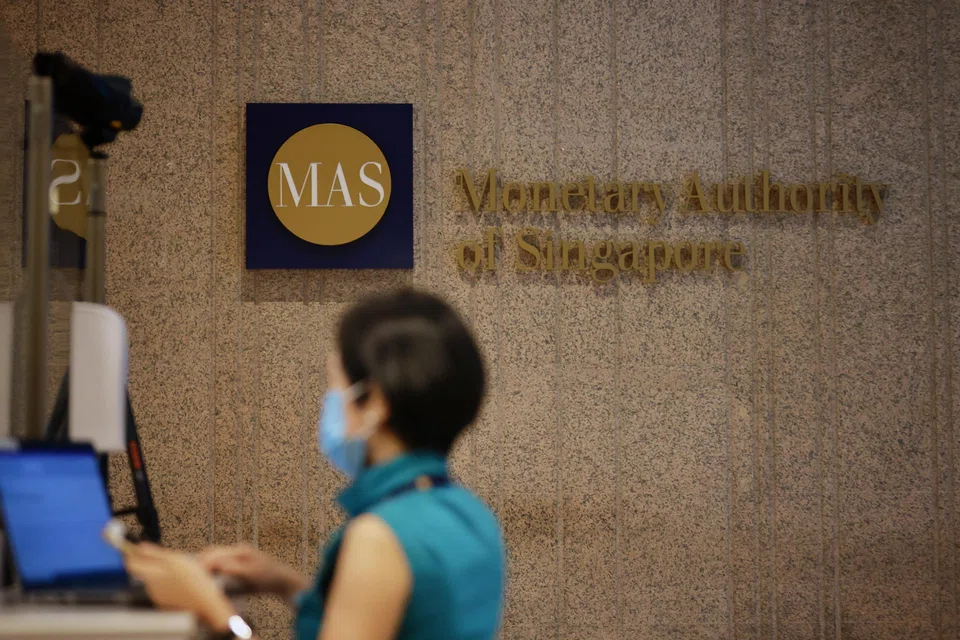
Minister of State for Trade and Industry Alvin Tan, who is also a board member of the Monetary Authority of Singapore (MAS), said in response that those who provide financial advice must be licensed and regulated under the FAA.
He noted that MAS expects financial institutions that employ finfluencers to advertise their products or services to ensure that these individuals present information in a clear and balanced way that highlights key features and risks.
The regulatory authority has guidelines on what constitutes financial advice on its website. It is a two-stage test: The first determines if the activity amounts to providing financial advice; the second ascertains whether the person is carrying out a business in such activity.
Generic or non-personalised considerations on financial planning that are not tailored to an individual does not constitute such advice, neither does factual and broad educational content on finance.
Pardeep Khosa, partner and head of litigation at Withers KhattarWong, said that giving such advice without a financial adviser’s licence is a criminal offence. He explained: “They might also be exposed to civil liability if they know that their followers are likely to rely on the advice, and they do in fact rely on that advice to their detriment.”
What should investors do if they do not get their money back
Should investors not receive their monies after the three to six business days timeline given by Chocolate Finance, a possible recourse is to refer the dispute to arbitration, said Pardeep Khosa, partner and head of litigation at Withers KhattarWong. Within the terms and conditions on Chocolate Finance’s website, all disputes must be referred for arbitration to the Singapore International Arbitration Centre.
Finfluencers are likely here to stay, said PwC’s Ong, noting the undeniable impact that they have on the investment landscape. He added that when appropriately qualified, finfluencers can play a role in educating investors on the benefits and risks of investments. But independence and objectivity would be key to professionalise this segment.
He suggested: “It may be a good idea to establish a code of conduct for finfluencers on how they provide objective and independent opinions rather than advice, whether they are licensed or qualified to provide financial advice, and disclose potential conflicts of interests where they may be receiving sponsorship or referral fees from interested institutions.”
Amendment note: This article has been amended to clarify that Seth Wee is a financial blogger






