First Reit to diversify into new markets post-restructuring
Singapore
IF First Reit's restructuring and recapitalisation exercise proves successful, the manager intends to diversify its portfolio into new geographies - including nursing homes in Japan, hospitals in China and Myanmar, and other healthcare assets in Europe, the United Kingdom and Australia - with the help of its new sponsor's network.
This comes after having learnt a hard lesson about the risk of high tenant concentration in a single entity. First Reit is seeking approval from unitholders for a lease restructuring with Lippo Karawaci (LK), which, along with its subsidiaries, contribute about four-fifths of the Reit's rental income and has in recent years faced increasing liquidity pressures.
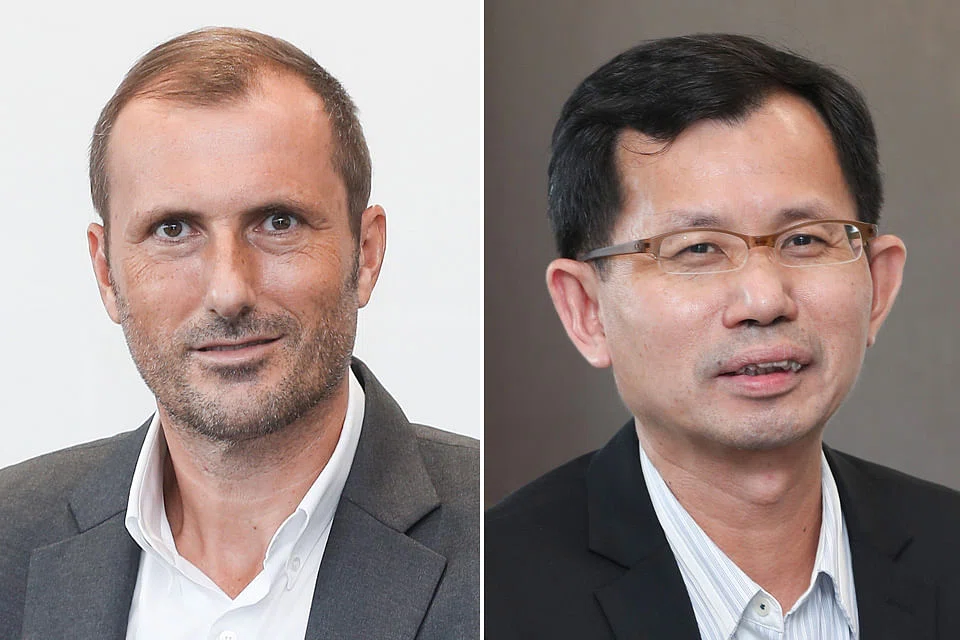
In an interview with The Business Times, independent director Martin Lechner stressed that unitholders must vote in the lease restructuring proposal first.
"First restructuring stabilisation, and then we can diversify. Step by step," he said. "It is tempting, but we can only do that (diversification) out of a stabilised situation of strength, and this restructuring and recapitalisation will bring us there."
The Reit is also raising some S$158 million at a hefty discount via a rights issue to enable it to refinance debt that is coming due, and as a condition of the S$260 million refinancing facility it has secured with OCBC and CIMB. The issue has been backstopped by its sponsors OUE and OUE Lippo Healthcare, and related parties.
It is no secret that the lease restructuring proposal will hurt the Reit's bottom line and distributions to unitholders, but in his attempt to explain the merits, CEO of the manager, Victor Tan, chose to focus on the new 15-year master lease agreements LK will be signing, which will extend the Reit's weighted average lease expiry to 12.6 years, higher locked-in rental escalation of 4.5 per cent per annum and improved upside sharing (as opposed to the current "lumpy" structure), and an increased debt headroom which it said will enable the Reit to take on more merger and acquisition activities.
To be sure, however, most of the Reit's assets are currently encumbered. The manager thus plans to take on unsecured debt and tap the bond market to raise funds in future, as part of its funding source diversification plans.
The performance of the two healthcare Reits on the Singapore bourse has been starkly divergent in 2020, with Parkway Life Reit among the top performers after it joined the FTSE EPRA NAREIT Global Developed Index, while First Reit, along with Lippo Malls Indonesia Retail Trust, was among the worst performers after Eagle Hospitality Trust.
Mr Tan said in the interview that on a pro forma basis, the restructured and recapitalised First Reit will yield 11 per cent based on its Dec 31 closing price, 5.2 per cent above Indonesia's risk-free rates, and at twice the yield spread of Parkway Life Reit over Singapore's risk-free rates.
The restructured master leases will also make up a much more sustainable 40 to 45 per cent of its hospital's Ebitdar (earnings before interest, taxes, depreciation, amortisation, and restructuring and rent costs), in line with other developer market peers, down from 60 to 70 per cent currently.
The proposed upside sharing mechanism is also more "permanent" as it is an applied percentage on the hospital's gross operating revenue (GOR) instead of being beholden to a growth threshold of at least a 5 per cent increase in the hospital's gross operating revenue each year.
Mr Lechner said: "I am very well aware that this is a very difficult decision and situation for existing shareholders, and it was painful with last year's losses, but we have to go through the restructuring. There was no alternative for us."
Asked if the manager had initiated negotiations with LK earlier over what appeared to be clearly untenable leasing terms given the exorbitant rent support LK was paying every year, Mr Tan replied that negotiations only began in 2019. The first of these leases are up for renewal in December 2021.
Meanwhile, independent proxy advisor Glass Lewis also issued a report saying that it believes that "management of the business and the decisions associated with business operations are best left to management and the board, absent a showing of egregious or illegal conduct that might threaten shareholder value".
It also said that it supported the company's move to issue additional shares, as debt financing has become more challenging in the current economic conditions. It called for unitholders to support the lease restructuring, too.
The Reit manager has organised an hour-long virtual dialogue session at 5pm on Thursday to address their questions. The session will be moderated by investor watchdog Securities Investors Association (Singapore).
The Reit's units ended one cent lower at S$0.255 on Wednesday, a steep 82 per cent decline from its S$1.42 peak in January 2018.