Flying-taxi firms face reckoning with Airbus veterans in charge
 Add BT as a preferred source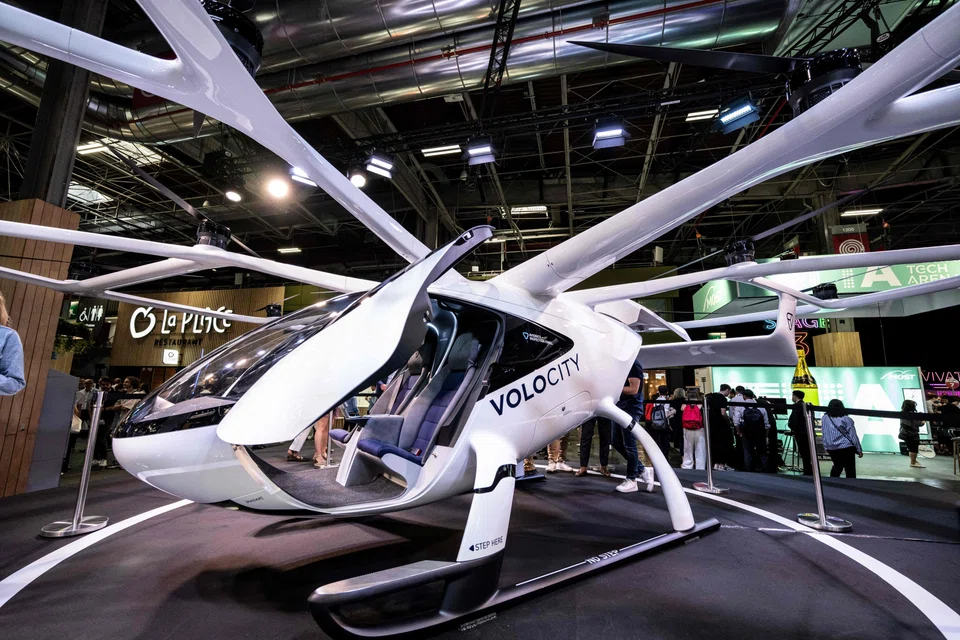
TWO German aerospace startups leading a global dash into electric-powered flying taxis face a reality check after hiring former Airbus executives to lead their competing bids to bring the craft to market.
Dirk Hoke, the CEO at Volocopter since April and formerly the head of Airbus’ defence arm, has reined in the firm’s global ambitions to set a less-demanding target for its first commercial flights, he said in a recent interview.
Over at Lilium, chief executive officer (CEO) Klaus Roewe, a month into his job after having led the Airbus narrow-body jet programme, has ordered a rethink of the company’s PR strategy as its stock plummets, he said on Wednesday (Nov 23).
Said the 29-year veteran at Airbus: “We need to show that we’re a very serious company and we need to communicate better on what we’re doing. We need to show facts and figures and data and show that this aircraft is really unique and has a lot of advantages.”
The two firms are among a clutch of companies leading the drive to develop electric vertical take-off and landing (eVTOL) craft, as flying taxis are properly known. Lilium and Volocopter had turned to the industry veterans after programmes once regarded by some in the aviation industry as akin to science fiction came under pressure to deliver following billions of dollars in investment.
Volocopter, founded in 2011, is aiming to bring the first eVTOL to market in time for the 2024 Olympic Games in Paris; Lilium, established four years later, has scheduled service entry for 2025. Both are working toward securing vital certification from the European Union Aviation Safety Agency.
Even as flying-taxi startups rack up orders – UK-based Vertical Aerospace has outline deals for 1,400 craft – or agree to Uber-style operating deals with city authorities around the world, those that are publicly traded have seen their share prices tumble since a series of listings via special purpose acquisition companies (SPACS).
Having listed via a SPAC in September last year, shares of Lilium, which is based near Munich, have fallen 86 per cent amid concerns over whether flying-taxi companies can source sufficient numbers of power-dense batteries and clear safety and regulatory hurdles.
The company, whose SPAC saw investment from Baillie Gifford, BlackRock Inc, Tencent Holdings and Ferrovial, also faces a tighter financing environment for so-called moonshot technologies amid an economic slump.
SEE ALSO


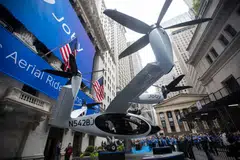
Vertical Aerospace and US competitors Joby Aviation Inc and Archer Aviation Inc have suffered similar share-price declines.
Volocopter, which has almost 700 staff, has eschewed a stock market listing, but could realise that fundraising could prove tougher in future as central banks raise interest rates to choke off inflation.
The company, based near Stuttgart in Germany, has so far raised more than €500 million (S$714.7 million) in launch financing, including US$182 million from Saudi Arabia’s Neom, and a fund backed by Chinese carmaker Zhejiang Geely Holding Group.
Other backers include logistics firm DB Schenker and the venture capital arm of chipmaker Intel Corp.
Following Hoke’s arrival, Volocopter has cut back on an array of municipal projects under consideration to focus efforts on the Saudi and Paris launches, together with another in Rome and a fourth providing tourist flights around Singapore.
“I think it’s much more rational now,” he said. “You have to be realistic. Starting operations in 2024, you can’t break even in 2025. I’m confident we’ll be there by the end of the decade.” BLOOMBERG
Decoding Asia newsletter: your guide to navigating Asia in a new global order. Sign up here to get Decoding Asia newsletter. Delivered to your inbox. Free.
Share with us your feedback on BT's products and services