For BP, car chargers to overtake pumps in profitability race
Company invests heavily in EV charging as it sees huge opportunity for growth
 Add BT as a preferred source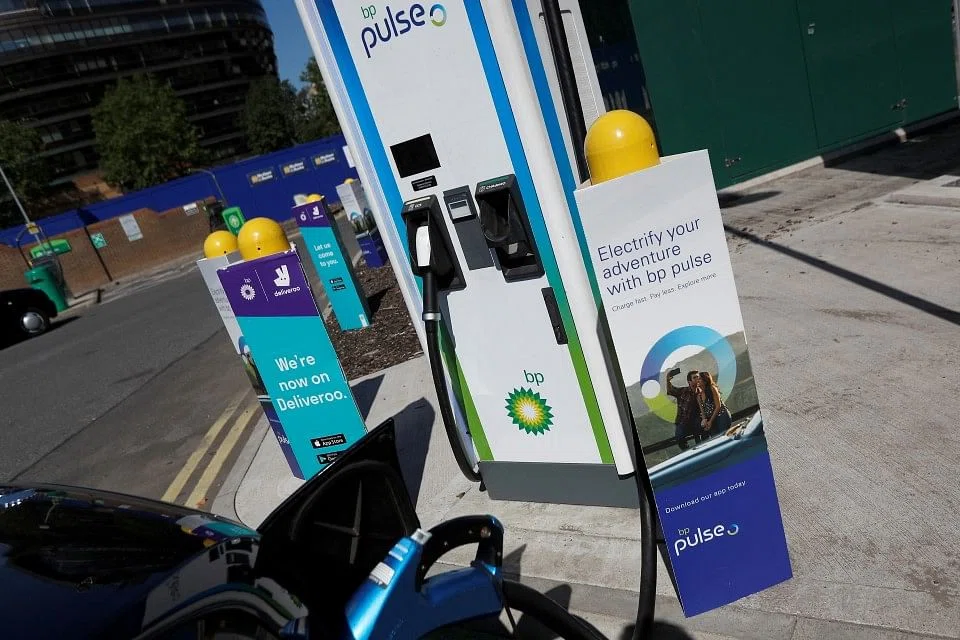
DeeperDive is a beta AI feature. Refer to full articles for the facts.
London
BP SAYS its fast electric vehicle chargers are on the cusp of becoming more profitable than filling up a petrol car.
The milestone will mark a significant moment for BP, which wants to shift away from oil and expand operations in power markets and around electric vehicles (EV).
EV charging has for years been a loss-making business as a whole for BP and rivals as they invest heavily in its expansion.
The division is not expected to turn profitable before 2025 but on a margin basis, BP's fast battery charging points, which can replenish a battery within minutes, are nearing levels they see from filling up with petrol.
"If I think about a tank of fuel versus a fast charge, we are nearing a place where the business fundamentals on the fast charge are better than they are on the fuel," BP's head of customers and products Emma Delaney told Reuters.
Navigate Asia in
a new global order
Get the insights delivered to your inbox.
Strong and rising demand for rapid battery chargers in Britain and Europe, has already brought profit margins close to those for traditional petrol filling, she said.
Delaney did not disclose profit and loss for EV charging or when overall profit from the business could eclipse traditional fuel. In 2020, BP reported a gross margins for retail fuel sales of US$3.5 billion.
Its customers and products division made US$2.6 billion in net profit in the first nine months of 2021, around 17 per cent of the company's total profit.
The company also said that electricity sales for EV charging grew 45 per cent in the third quarter of 2021 from the previous quarter.
According to consultancy Thunder Said Energy, the traditional fuel retail margin at petrol stations is about 17 cents per gallon, roughly 0.4 cents per kilowatt hour.
London-based BP plans to grow its EV charging business in the coming years to 70,000 charging points by 2030 from 11,000 now.
Like rivals including Royal Dutch Shell, BP's retail business, which includes fuel sales and convenience stores, is highly profitable and central in its energy transition strategy.
"Overall, we see a huge opportunity in fast charging for consumers and businesses, as well as fleet services more generally - that's where we see the growth, and where we see the margins," Delaney said. REUTERS
Decoding Asia newsletter: your guide to navigating Asia in a new global order. Sign up here to get Decoding Asia newsletter. Delivered to your inbox. Free.
Share with us your feedback on BT's products and services