

Funds trim positions in agri-commodities amid bearish outlook, uncertainty

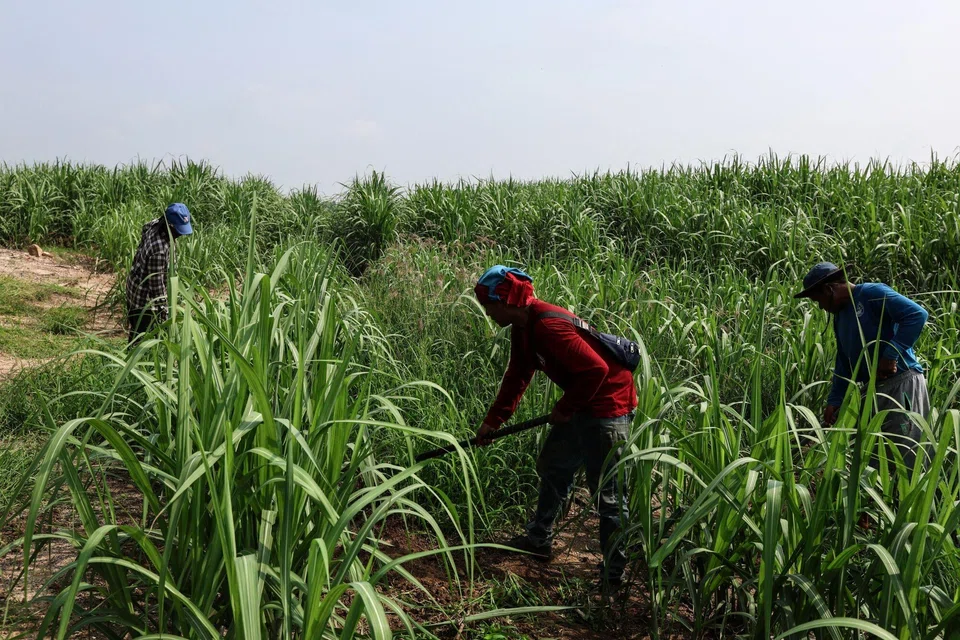
FUNDS are trimming or adjusting their positions in publicly traded agri-commodities such as sugar, coffee and cocoa, in a mix of profit taking and cautious sentiment as a bearish outlook clouds the sector.
Observers that The Business Times spoke to pointed to recent Commitments of Traders (COT) reports – a weekly round-up of positions of futures markets participants – which showed that certain agri-commodities have suffered a pullback from funds, particularly in terms of their long positions.
The most recent COT report for the seven days ended Mar 5 showed declines in funds’ net positions in corn, wheat and soybeans on the Chicago Board of Trade (CBOT), as well as cocoa and coffee futures on the Intercontinental Exchange.
Darren Stetzel, vice-president of soft commodities for Asia at financial services group StoneX, said sugar contracts in New York and London contracts were “sent back towards the lows seen at the start of the year” amid improvements in production of the commodity over the past fortnight.
“On a global scale, there seems to be enough flexibility to plug any regional sugar production gaps,” he said.
Funds also withdrew positions in coffee, he noted, after a recent attempt at a price rally failed to attract solid and sustained buying interest.
Coffee prices have been on a tear due to smaller production volumes on the back of weather conditions, as well as troubles along the Red Sea. Demand, too, has been on the uptrend amid increased consumption, further boosting prices.
As a result, farmers have opted to hold on to their coffee bean harvests in anticipation of future increases in prices, and have less incentive to sell.
Stetzel said cocoa prices are now at a near six-decade high, amid expectations of a fourth supply deficit next season.
He reckons the reduction of funds’ long positions in cocoa is due chiefly to profit-taking, as production shortfalls in West Africa are still likely to continue for a fourth consecutive season.
“The market is waiting for some bearish news before there is a pullback, and funds are convinced the time is right to switch positions,” he added.
A spokesperson for the London Stock Exchange Group (LSEG) noted that funds have been trimming their positions in corn futures and options for about three weeks now.
In the second last week of February, LSEG hit a record with 340,732 contracts in net short positions for CBOT corn futures and options. In the last week of February, money managers adjusted this figure to 295,258 contracts – which is still a five-year low.
CBOT soybeans, meanwhile, is one commodity that is witnessing a different trend.
The LSEG spokesperson said funds raised their net short positions to 160,653 in the last week of February, up from 136,677 in the prior week.
But analysts at Rabobank warned that funds continued to sell heavily in the soybean market, as they are expecting harvest pressure and larger US plantings to deliver consistent selling pressure on the commodity.
For now, market watchers have warned that key factors to pay attention to in the coming weeks include macroeconomic troubles such as the conflict along the Red Sea, as well as unexpected weather conditions that could affect the harvest sizes of certain agri-commodities.
Rabobank analysts said there is also a “high probability” of a return to the La Nina weather phenomenon in the second half of this year, which “typically spells problems for grains and oilseeds production across the Americas”.






