

Giving up MSCI licensing may hurt but SGX has more strings to its bow

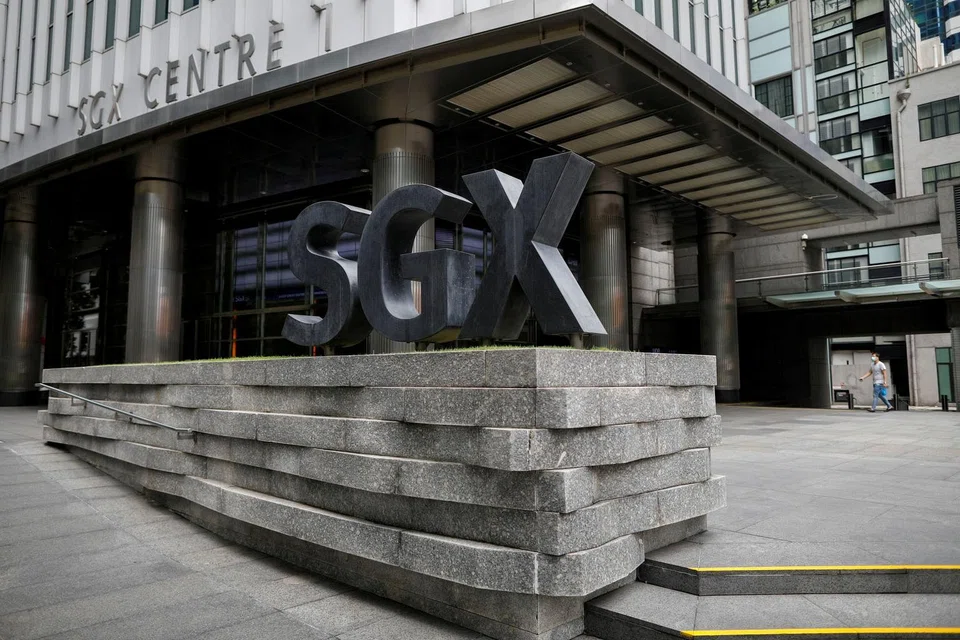
THE rivalry between Singapore Exchange (SGX) and Hong Kong Exchange and Clearing (HKEx) has been cast into the spotlight once again.
This time, it was triggered by news that the Hong Kong bourse has struck a deal for a suite of MSCI equity indexes leading to an initial 37 futures and options contracts similar to those offered on SGX.
The Singapore bourse has decided to let its agreement to carry these equity index futures and options, save the Singapore ones, lapse come February 2021.
Given that SGX's biggest revenue generator, the derivatives business, has been built largely on futures of Asia's largest equity indices, namely, in Japan, Taiwan, China and India, and MSCI is one of the "Big Three" dominant index providers - the others are S&P Dow Jones and FTSE Russell - the news sent SGX shares south on fears that this could steer capital towards HKEx instead.
The Business Times understands that the SGX was not blindsided by MSCI's new licence deal with HKEx following a fruitful 23-year relationship, which helped propel Singapore into a major derivatives centre. Clearly, it has different priorities.
Neither is this solely about money. One can assume SGX did its appraisals and figured that it no longer felt it necessary to fork out the licensing fees of products clients are not actively using.
If one looks at the MSCI contracts it carries, only the Taiwan and Singapore ones figure prominently, at 9 per cent and 5 per cent respectively, of SGX's equity derivatives daily average volume (DAV).
The other major contributors are non-MSCI related. The FTSE China A50 futures, which is the biggest derivative product on SGX, accounts for 37 per cent of the total equity derivatives DAV. Others include the Nikkei options and futures, Nifty, currencies, iron ore and other commodities.
SGX has estimated a "conservative impact" of 10-15 per cent on FY21 net profit on a pro forma basis, without adjusting for mitigating actions.
Any further downside risks will largely depend on how fast the exchange is able to respond to the challenges posed by rival exchanges, as they look to replicate SGX's more successful products.
Over the past four years, SGX, led by chief executive officer Loh Boon Chye, has been pushing its multi asset and borderless strategy as it looks to build scale and offer innovative risk-management tools and services that clients need. Sceptics thought his idea was no more than a rather clever distraction tactic at a time when its traditional cash equities business was floundering and rivals were nipping at its heels.
But efforts to grow its international presence and attract clients from Western time zones have raised participation from global institutions as is evident in the rising participation in its overnight (T+1) sessions. This stickiness is expected to increase as clients trade across asset classes and are less likely to switch to alternative products offered by competing exchanges.
Other alignments
SGX did not put all its eggs into one basket. Apart from MSCI, it has aligned itself with other partners and index providers. Its relationship with FTSE spans 13 years. It has made various investments over the years from SGX Bond Pro, BidFX to Baltic Exchange. As these grow, and SGX comes up with more bespoke investment products, they should be able to more than make up the loss from a reduced MSCI partnership.
SGX's acquisition of Scientific Beta in January has immense potential in terms of low-cost, bespoke index products that clients need. Unlike the typical offerings by traditional index providers, which limit strategic choices, the acquisition paves the way for more dynamic offerings, taking into account thematic and idiosyncratic country risk-returns. Such factor investing has seen significant growth in recent years, with assets using factor-based strategies forecast to reach US$2.7 trillion by 2020, at a compound annual growth rate of 17 per cent between 2011 and 2020, according to BlackRock.
Scientific Beta will pave SGX's foray into the index business. It specialises in smart beta strategies - investment strategies that emphasise the use of alternative index construction rules instead of traditional market capitalisation-based indices - with expertise in factor-based and risk-managed solutions. Over 60 asset owners and asset managers use its indices to track or benchmark their smart beta investments, which total almost US$55 billion, up more than tenfold in less than four years.
In a world where interest rates are expected to stay low, such bespoke products, which can help clients generate returns, will ensure that SGX products stay relevant.
TRENDING NOW

MSCI proposes standalone status for Indonesia; Jakarta stocks plunge 8%

Palm oil stocks slide after Singapore begins looking into which firms responsible for haze

High Court rules against Julius Baer’s Singapore trust arm in US$50 million family trust dispute

Why is the haze so bad in South-east Asia this year?

