

Global energy transition spending to grow; Bank of Singapore sees opportunities in disruption

Singapore
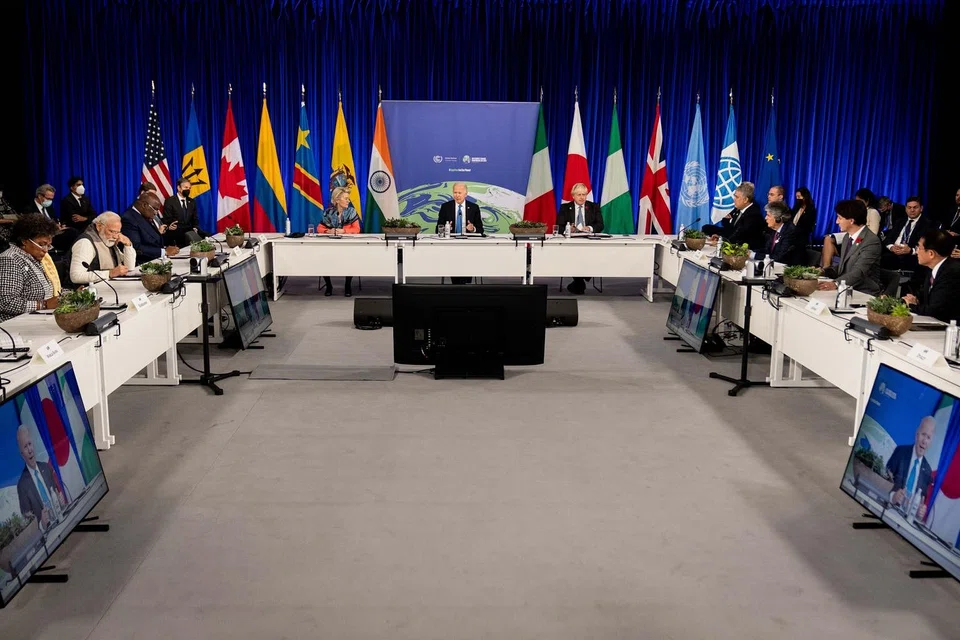
WITH the United Nations' (UN) climate conference, COP26, well underway, much attention has been on the various countries' pledges to mitigate climate change, encapsulated largely in plans to cut emissions and switch to renewable sources of energy.
What has been less in focus is how much such a transition is going to cost these economies, and the opportunities available for businesses and investors amid the disruption.
Bank of Singapore (BoS), in a recent investment strategy and research report, said it expects energy-transition spending to pick up even more pace in the coming years. In fact, it believes such spending will create a virtuous circle that will accelerate the energy transition over the coming years - with investments in clean technologies driving improvements that expand commercial deployment opportunities across multiple sectors of the economy. These will, in turn, attract more investments and lead to further technological advancements.
Citing BloombergNEF, it noted that energy-transition spending worldwide totalled a record US$501 billion last year despite the pandemic; this was up from US$459 billion in 2019 and US$441 billion in 2018.
BoS said: "We expect this to accelerate further, and we see new opportunities emerging in clean energy, green technologies and enabling infrastructure such as electric vehicles, wind generation and hydrogen fuels for years to come."
One impetus for energy-transition spending, it said, is the "rapid decline in the cost of renewable energy over the past decade (that will) drive increasingly widespread adoption of clean technologies".
For example, the cost of utility-scale solar photovoltaic electricity generation fell by 85 per cent to US$0.057 per kilowatt hour (kWh) in 2020, from US$0.381/kWh in 2010, said a recent report by the International Renewable Energy Agency. Over the same period, the cost of electricity from onshore wind projects fell 56 per cent to US$0.039/kWh from US$0.089/kWh.
A record 260 gigawatts of renewable generation capacity was added globally in 2020, despite the shock from the pandemic. And renewables are expected to account for 70 per cent of the US$530 billion spent on all new-generation capacity this year, said the International Energy Agency.
Still, BoS noted that recent disruptions to global energy markets, which have resulted in surging energy prices in Europe and widespread power shortages in China, serve as a powerful reminder that this transition is complex and must be carefully managed by global policymakers.
"(But,) our view is that the disruptions will not derail the energy transition; indeed, the pain inflicted by the current energy crisis may spur policy changes that encourage an even more rapid transition to clean energy over the next decade."
It believes the transition to renewable and low-carbon energy sources will be at the heart of global efforts to achieve its net-zero ambitions.
BoS said: "The energy sector alone is a major source of carbon emissions. (And) clean energy from renewable and low-carbon energy sources can be combined with greater electrification - redesigning equipment, industrial processes and infrastructure to run on electricity rather than other fuels - to reduce emissions from other activities such as transport, manufacturing and heating of buildings."
Decarbonising will involve a mix of policy initiatives, among them, progressively higher costs on carbon emissions. The World Bank has estimated that there are already over 60 carbon pricing initiatives worldwide, covering an estimated 21.5 per cent of global greenhouse gas emissions.
But, new opportunities are emerging amid this disruptive transition, BoS said.
"Our long-standing view is that global efforts to pursue sustainable, climate-resilient development paths and mitigate the threat of climate change will drive profound structural changes to the global economy for years to come, creating both significant disruption and new opportunities for businesses.
"We continue to advocate a prudent strategy of adding diversified exposure to a wide range of potential beneficiaries of the global transition to a carbon-neutral economy, given the all-encompassing nature of decarbonisation efforts worldwide, and the fast-evolving and uneven rollout of supporting policies and regulations across the world."
READ MORE:
TRENDING NOW

Grab CEO’s wife Chloe Tong on life with Anthony Tan and finding her purpose

Brokers maintain ‘buy’ on CDL despite investor reservations over strategic review

Deal between tycoon friends sparks scrutiny of Philippine power sector

Hwa Seng Builder, two China companies win S$1.2 billion Tuas Road Viaduct phase two contracts

