

Global financial institutions sinking sustainability roots in Singapore
Many setting up dedicated sustainability teams, drawn by good regulatory oversight, imperative on green economy and strong investor ecosystem

Kelly Ng
Singapore
AS calls for Asian companies, investors and consumers to embrace sustainable development grow louder, global financial institutions are increasingly setting up dedicated sustainability teams on this side of the world - with many opting for Singapore as their port-of-call.
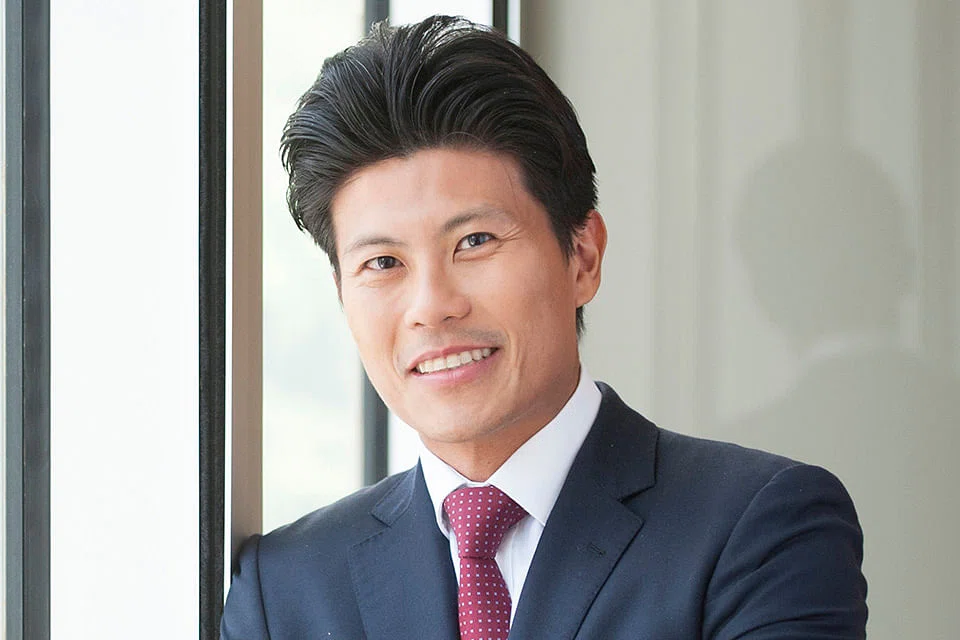
Among them are investment fund provider Fidelity International, whose global head of stewardship and sustainable investing Jenn-Hui Tan, is based in the city-state.
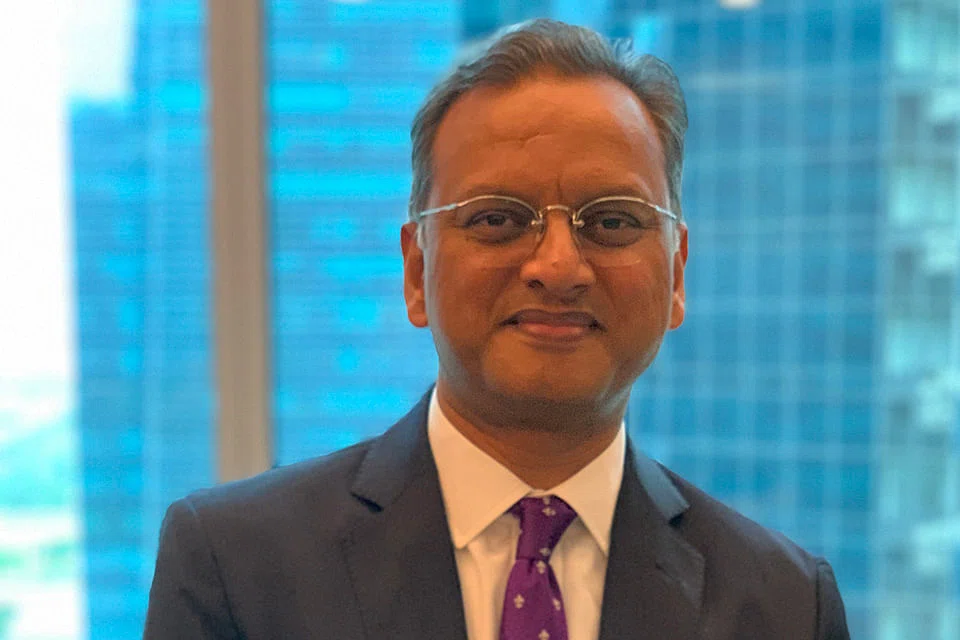
In May this year, Deutsche Bank appointed sustainability veteran Kamran Khan as its first head of ESG (environmental, social and governance) for Asia-Pacific. Mr Khan, who is also based in Singapore, previously held roles at the World Bank, JP Morgan and the Obama administration.
Dutch financial firm ING and UK-headquartered global asset manager Aberdeen Standard Investments also have dedicated Asia-Pacific sustainable finance teams based in Singapore.
In a keynote speech at the Financial Times' Investing for Good Asia Conference last month, Monetary Authority of Singapore (MAS) managing director Ravi Menon said Asia must make a "progressive yet determined" transition to sustainability. Singapore is well-placed to support the region's sustainability journey through green finance, he noted.
Building knowledge and capabilities on this front, such as encouraging financial institutions to strengthen their teams here, is a key thrust of the MAS' Green Finance Action Plan, Mr Menon said.
With good regulatory oversight, an imperative on greening the economy, and a strong investor ecosystem, Singapore has become attractive as a hub for sustainability activities, said Fidelity International's Mr Tan, who was promoted to the global role in July last year.
"In addition, I believe that any meaningful change to any ESG issue in any industry is going to have to include or be initiated from Asia, and so having a strong regional presence makes complete sense to us," he added.
Mr Tan oversees a multinational team operating from six cities, four of which are in Asia. They include Tokyo, Hong Kong, Dalian, Amsterdam, London, and Singapore.
As Asia continues to attract a significant and growing pool of capital from investors, it also offers opportunities to focus on ESG on the ground, Deutsche's Mr Khan said.
In June this year, the German bank helped Singapore food and agribusiness company Olam International close Asia's first foreign exchange derivative linked to ESG key performance indicators.
The one-year US dollar/Thai baht forex forward enables Olam to lock in a discount when it meets predefined targets which support the United Nations' Sustainable Development Goals.
"Governments and regulators in the region have been pretty up to speed on these issues and are increasingly looking at how to incentivise private players to invest in a sustainable manner," Mr Khan added.
On Tuesday, Deutsche announced the addition of former World Bank economist Kalpana Seethepalli to its Asia- Pacific team as ESG director, based in Singapore. Ms Seethepalli joins from infrastructure investment firm Infra-Tech Capital, where she was managing director of sustainability and impact.
ING's regional sustainable finance team in Singapore has also achieved many "firsts" since it was set up in 2017. These include the world's first sustainability improvement fund financing for Singapore-based private equity fund Quadria Capital last year.
In June this year, ING disbursed a major US$75 million loan for commercial and industrial rooftop solar projects to Cleantech Solar, a solar developer based in Singapore. Last year, it also sealed Asia-Pacific's first rooftop solar financing transaction - a S$50 million loan disbursed to Sunseap Group.
ING's head of sustainable finance for Asia-Pacifc, Herry Cho, said Singapore stands out for its strong talent pool on the sustainability front.
"Given scarcity of sustainable finance expertise in the global market and in particular in Asia-Pacific, we have built up a diverse sustainable finance team. With Singapore being an attractive place to work and live, it is relatively easy to attract talent in and to Singapore," she said.
Aberdeen Standard Investments has five ESG specialists sitting within its Asian equities and fixed income desks in Singapore. These specialists are embedded into the desks, rather than operating from a separate team, as their expertise is crucial for conducting due diligence pre-investment as well as for ongoing engagement post-investment.
Among the key ESG initiatives under the charge of Aberdeen's Singapore teams are the management of Asian Infrastructure Investment Bank's US$500 million ESG portfolio of Asian infrastructure bonds. In August this year, it launched a new fund to invest in quality Asian companies that aim to deliver an attractive return while making a positive contribution to society.
"Singapore is our regional hub in Asia Pacific. This, combined with Singapore's strong focus on green finance and sustainability across both industry and academia, makes it a natural location for ESG specialists," said David Smith, a senior investment director for Asian equities at Aberdeen.
READ MORE: ESG is having its moment, and so are its female champions
TRENDING NOW

Deal between tycoon friends sparks scrutiny of Philippine power sector

Canada is upping oil flows to Asia, but South-east Asia’s refineries aren’t ready to handle them yet

Grab CEO’s wife Chloe Tong on life with Anthony Tan and finding her purpose

China got cool for foreigners. But can they find a job there?

