

Global smartphone market faces record annual decline as chip crunch worsens
The impact is being felt most acutely in lower-end smartphones
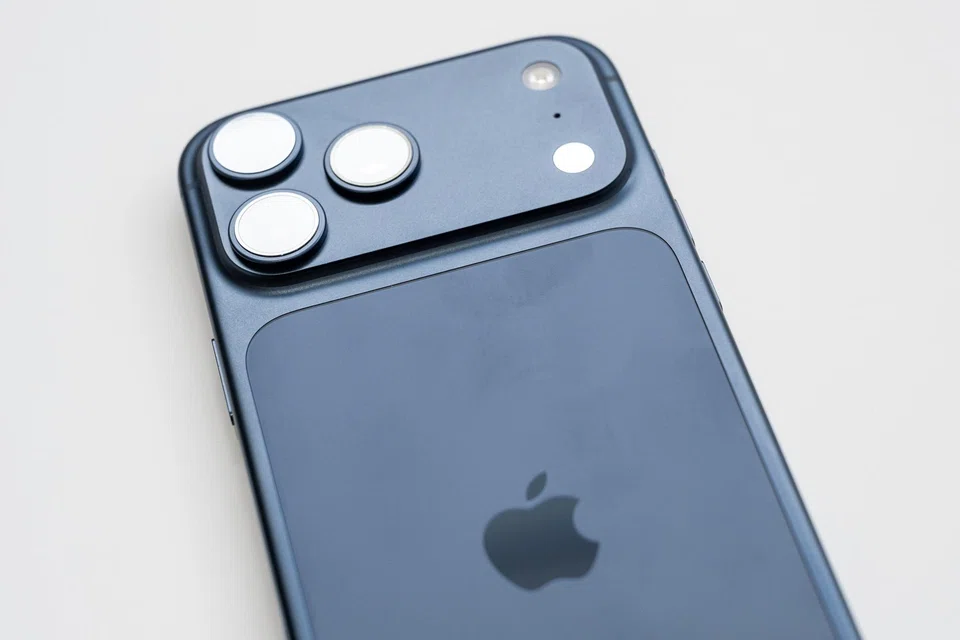
[BEIJING] The global smartphone market is heading for its steepest annual contraction on record, with shipments projected to slump by 13.9 per cent this year to 1.08 billion units, Counterpoint Research said on Monday (Jun 1), citing a worsening shortage of memory chips.
The forecast is a downgrade from the 12.4 per cent decline projected in February, with the squeeze in global chip supply exacerbated by the Iran war.
The impact is being felt most acutely in lower-end smartphones as chipmakers shift production capacity to artificial intelligence-related chips, making entry-level devices less economical to produce.
Global smartphone wholesale prices rose 14 per cent in the first quarter while shipments fell 3.1 per cent year on year. That trend is expected to continue as inventory built before the supply shock becomes depleted, with some models priced below US$150 likely to disappear from the market.
“Smartphone makers in the low and mid-tier are caught between cost increases they cannot absorb and consumers with limited spending power,” said Wang Yang, a principal analyst at Counterpoint, an independent research company that publishes quarterly smartphone shipment data.
“The question is no longer how to grow shipments or market share, but whether to remain in the market at all.”
The memory chip shortage is the most severe supply-side disruption the smartphone industry has faced, Wang said, adding that manufacturers are unable to offset the impact through pricing or product changes.
The premium segment has proven more resilient. Apple posted record revenue for the first three months of the year, helped by customers upgrading to its iPhone 17 series. Apple’s 2026 shipments are expected to remain flat before rising 5 per cent next year, Counterpoint projections showed.
With more stable chip supply and stronger margins than many rivals, Apple is well placed to gain market share and could face less pressure to raise prices.

Samsung Electronics kept volumes steady in the first quarter and is expected by Counterpoint to register only a 4 per cent decline in shipments over the full year, outperforming the wider market thanks to stable supply and a consistent product lineup.
Transsion, which is heavily exposed to the market for smartphones priced below US$150, is forecast to suffer a 32 per cent drop in shipments this year. Rivals Xiaomi and Honor, meanwhile, are projected to post full-year declines of 28 per cent and 20 per cent, respectively, Counterpoint said. REUTERS
Decoding Asia newsletter: your guide to navigating Asia in a new global order. Sign up here to get Decoding Asia newsletter. Delivered to your inbox. Free.
Share with us your feedback on BT's products and services
TRENDING NOW

Once staunchly pro-China, Malaysian Chinese businesses are now distancing themselves from Beijing

Stocks to watch: HPL, Aims Apac Reit, Zico, Advanced Systems Automation, ComfortDelGro

‘How many will survive?’: Bubble fears arise as China’s humanoid robotics face reality check

Smaller board lots can’t fix a market run by three banks

