

Goldman raises aluminium forecasts on higher Chinese and European demand
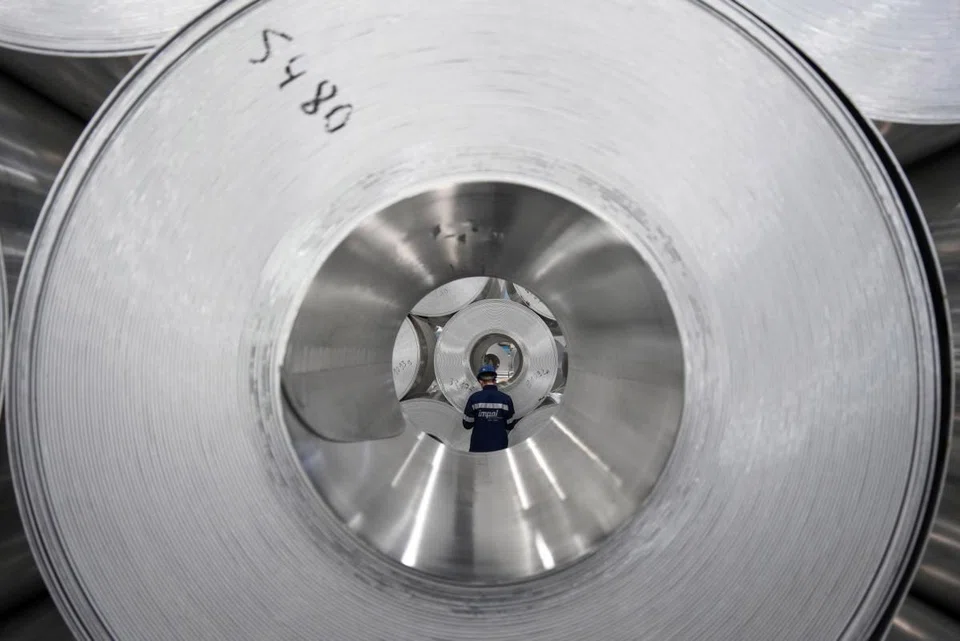
GOLDMAN Sachs Group raised its price forecasts for aluminium, saying higher demand in Europe and China could lead to supply shortages.
The metal will probably average US$3,125 a ton this year in London, analysts including Nicholas Snowdon and Aditi Rai said in a note to clients. That’s up from the current price of US$2,595 and compares with the bank’s previous forecast of US$2,563.
Goldman sees the metal, used to make everything from beer cans to plane parts, climbing to US$3,750 a ton in the next 12 months.
“With visible global inventories standing at just 1.4 million tons, down 900,000 tons from a year ago and now the lowest since 2002, the return of an aggregate deficit will quickly trigger scarcity concerns,” the analysts said. “Set against a far more benign macro environment, with fading US dollar headwinds and a slowing Fed hiking cycle, we expect upside price momentum to build progressively into spring.”
Aluminium reached record highs soon after Russia’s invasion of Ukraine last February. It’s since slumped as Europe’s energy crisis and a slowing global economy led many smelters to kerb production.
Like many Wall Street banks, Goldman is bullish on commodities as a whole, arguing that a lack of investment in recent years has led to low supply buffers. It sees the asset class generating investors returns of more than 40 per cent this year as China reopens and the global economy picks up in the second half of the year. BLOOMBERG
Decoding Asia newsletter: your guide to navigating Asia in a new global order. Sign up here to get Decoding Asia newsletter. Delivered to your inbox. Free.
Share with us your feedback on BT's products and services
TRENDING NOW

If Europe goes to war, the fallout will be felt in East Asia

COE review: Motor traders suggest using vehicle length, engine size and power to classify cars

Firms linked to haze pledge cooperation in meeting with Shanmugam; government to table changes to haze law

Indonesia stocks suffer worst plunge in nearly 30 years as MSCI proposes standalone status

