

GrabCab to raise taxi fares temporarily to help drivers amid volatile fuel prices
The adjustment applies only to metered taxi rides, says Singapore-based taxi operator
Koh Kim Xuan
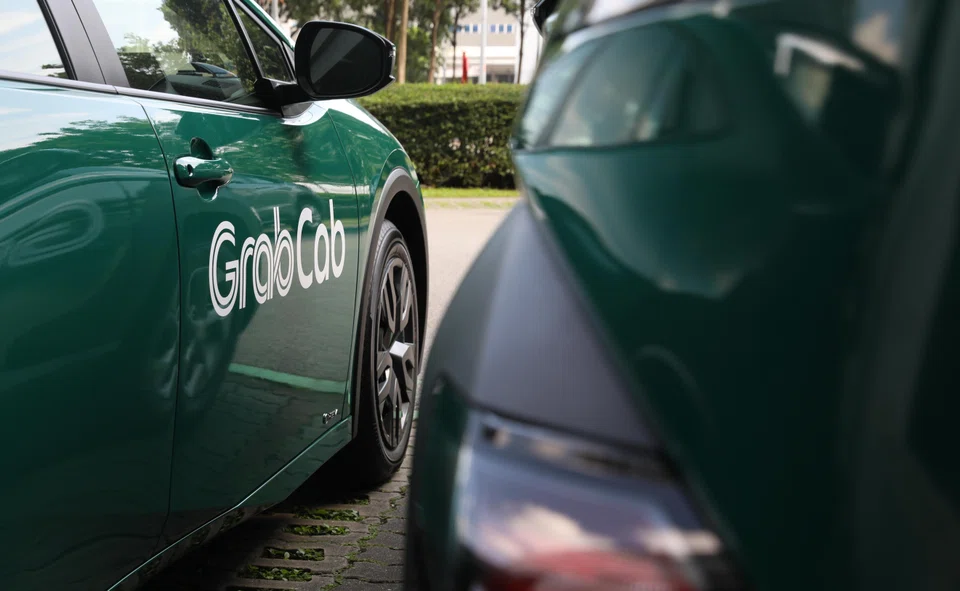
[SINGAPORE] GrabCab will be raising its taxi fares temporarily from Mar 30 to May 31 as fuel prices remain volatile due to the ongoing Middle East conflict.
In a statement on Monday (Mar 23), Grab said that the adjustment applies only to metered taxi rides – whether the taxi is hailed on the street or booked through the Grab application.
While flag-down fares remain unchanged at S$4.60 for four-seater rides and at S$4.80 for six-seater rides, unit fares will be raised from S$0.26 to S$0.27.
Unit fares are charged for every 400 m travelled for the first 10 km, then every 350 m after that. Such fares are also charged for every 45 seconds of waiting time.
Fares for all lengths of commutes will thus rise.
The cost of a short commute, such as a 4 km ride from Novena to Orchard, will increase by around S$0.08, assuming there is no waiting time.

For a mid-range journey of 12 km from Ang Mo Kio to City Hall, for example, fares will rise S$0.28.
Fares for long-distance rides – such as a 30 km drive from Woodlands to Changi Airport – will go up by S$0.80.
“The math for our drivers has changed quickly with fuel prices increasing at the pump. Following the fuel vouchers we distributed last week, this metered ‘top-up’ is a necessary next step to ensure that the extra costs drivers face are partially offset by every trip they complete,” a Grab spokesperson said.
Decoding Asia newsletter: your guide to navigating Asia in a new global order. Sign up here to get Decoding Asia newsletter. Delivered to your inbox. Free.
Share with us your feedback on BT's products and services






