

Grappling with the end-of-life of renewable energy
 Add BT as a preferred source
Janice Lim
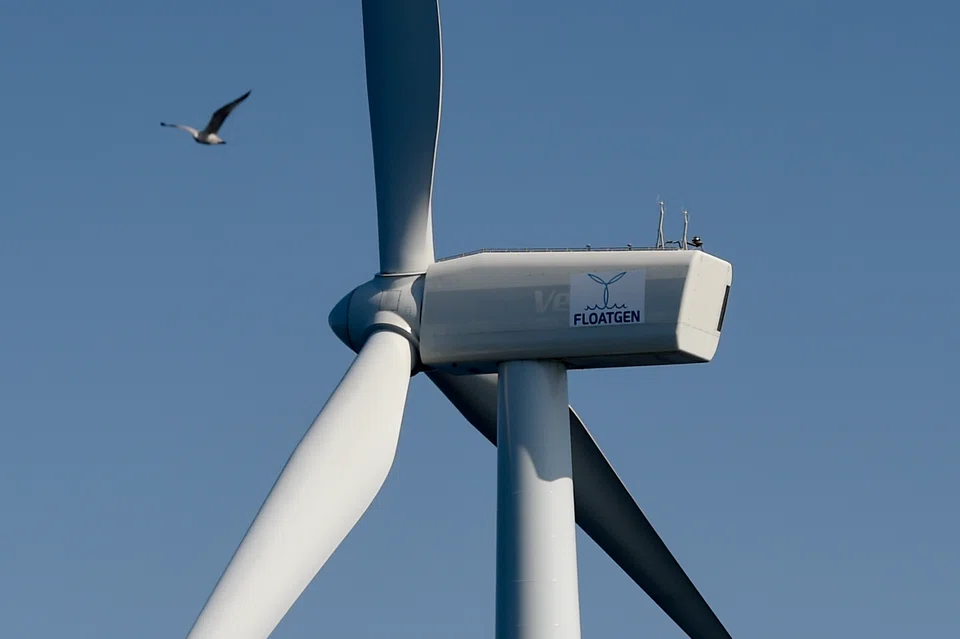
ONLY a small proportion of solar panels and wind turbines have reached the end of their life cycles. Most are dumped in landfills, and are not a huge cause of concern at the moment, but industry experts warn that this could be a problem in the future as renewable energy sources are increasingly adopted.
Solar panels and wind turbines typically last between 20 and 30 years. The industry is sitting up as it is starting to see the first of solar and wind farms being decommissioned.
These renewable energy sources, technically, can already be recycled. The blades of wind turbines can be taken down and replaced with new ones, with the foundations being reused. Solar panels can also be taken apart, and the glass sheet on the panels removed to be used again.
While 80 to 90 per cent of solar and wind equipment can be recycled, the issue is whether costs are low enough and whether there are incentives to do so, said Michael Ottaviano, managing partner in renewable energy for Asia-Pacific at sustainability consultancy ERM.
Speaking specifically about solar panels, Armin Aberle, a National University of Singapore professor and chief executive officer of the Solar Energy Research Institute of Singapore, said that it is still “early days” and these solutions are not being deployed on a large scale, simply because there was no demand for it.
One option is to transport these panels back to the manufacturer and have them be transparent about their supply chains and end-of-life plans, said some experts. However, the transportation would drive up recycling cost. Aberle said it would make more sense to install recycling stations near solar power plants.
Some panels may be thrown out even before their life cycles are up as their energy efficiency has declined after being in use for around 15 years, noted Farizan d’Avezac De Moran, founder of GreenA Consultants. But there is a market for such second-hand solar products, especially in developing countries.
“There is a lot of value if it can be shipped out to countries or rural areas where they don’t have transmission lines up in the mountains, for example,” she said.
However, the market for recycling these renewable energy products is simply just not there yet.
The biggest impediment to the recycling of these products is in how landfills are being valued, said Ottaviano. In Asia-Pacific markets, it is still very cheap to dispose of things in landfills. This is akin to not pricing carbon emissions.
“Unless we start penalising and pricing the cost of landfill, companies will do what is cheapest,” he said.
Decoding Asia newsletter: your guide to navigating Asia in a new global order. Sign up here to get Decoding Asia newsletter. Delivered to your inbox. Free.
Copyright SPH Media. All rights reserved.
TRENDING NOW

Targeted credit relief: Vietnam steers funding to Vingroup, Sun Group, Masterise megaprojects

E-commerce job cuts signal S-E Asia’s shift from scaling to deeper user engagement

With AI, it’s not about coding better; workers need to think better: Koh Boon Hwee

Frasers Property launches Dunearn House condo with prices from S$2,799 psf

