

Greenback hit by fears China may sell US Treasuries
 Add BT as a preferred source
DeeperDive is a beta AI feature. Refer to full articles for the facts.
New York
THE Chinese yuan dropped to its lowest levels against the US dollar since December on Monday as the trade war between the United States and China escalated, with each country putting new tariffs on the other's goods.
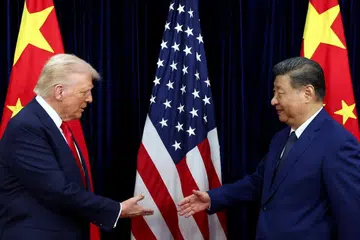
China plans to impose tariffs on US$60 billion worth of US goods, the finance ministry said on Monday, after the United States announced a tariff hike on US$200 billion of Chinese products on Friday.
US President Donald Trump said Beijing "broke the deal" by reneging on earlier commitments made during months of negotiations while China said on Sunday that it would not swallow any "bitter fruit" that harmed its interests.
The yuan weakened to as far as 6.91, its lowest level since Dec 24. China is expected to intervene to stop any plunge through 7 against the dollar.
Rising tensions between the two countries has also increased fears that China may sell its vast holdings of Treasuries as punishment or as a negotiation tactic against the United States.
Navigate Asia in
a new global order
Get the insights delivered to your inbox.
That hurt the greenback against safe haven currencies the Japanese yen and Swiss franc as well as the euro.
"They own a sizeable chunk of Treasuries and that's got the market spooked a little bit and has got the dollar trading on the defensive against some of the other major currencies," said Bipan Rai, North American head of FX strategy at CIBC Capital Markets in Toronto.
The euro may also benefit against the dollar as the eurozone has a balance of payments surplus, and "in times of trade war surplus currencies tend to do reasonably well", Mr Rai said.
Investors are also focused on whether Mr Trump will impose tariffs on imported cars and vehicle parts as talks continue with the European Union and Japan.
Mr Trump received a "Section 232" investigation report in February, widely believed to have concluded that car and vehicle part imports pose a risk to national security.
The president's 90-day deliberation period is due to end on May 18.
"The market is expecting that the Trump administration will extend that deadline. If there is no indication that they will, you could see equities take a bit of a pounding this week," Mr Rai said. REUTERS
Share with us your feedback on BT's products and services
TRENDING NOW

Ministry of Home Affairs Permanent Secretary Pang Kin Keong to retire

Shelving S$5 billion office redevelopment plan proved ‘wise’ as geopolitical risks mount: OCBC chairman

Richard Eu on how core values, customers keep Singapore’s TCM chain Eu Yan Sang relevant
China pips the US if Asean is forced to choose, but analysts warn against reading it like a sports result

