

Greenback hits near two-month high on Fed rate hike prospects
[LONDON] The US dollar rose to its strongest level in almost two months on Wednesday (Sep 23) on prospects of interest-rate hikes in the near term, although easing oil prices could alter the global inflation and monetary policy outlook.
The euro fell to its lowest since late July and was last down 0.37 per cent at US$1.1405. Sterling fell as much as 0.5 per cent to US$1.3273, its weakest since early July. The dollar index, which measures the US currency against six others, rose 0.36 per cent to 100.92.
The recent barrage of interest-rate hikes and hawkish rhetoric from major central banks has taken centre stage in currency markets, as the US-Israeli conflict with Iran drives oil prices higher and fans inflation worries.
Investors are anticipating further rate rises, and a number of US Federal Reserve officials have this week signalled that more policy tightening may be forthcoming if inflation does not subside quickly enough.
“It’s another sign that the Fed story is dominant, and the hawkish Fedspeak is enough to keep USD in demand,” said ING strategist Francesco Pesole.
Oil markets remain in the spotlight.
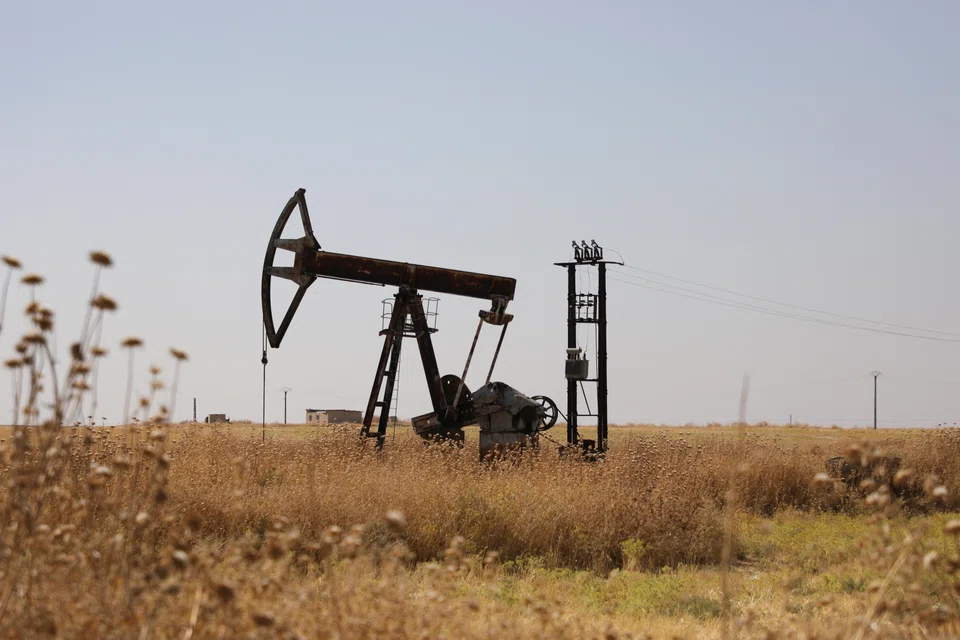
Brent crude futures rose 1 per cent to more than US$100 a barrel, breaking a five-day stretch of declines that was built on hopes that diplomacy at the UN General Assembly could pave the way for a resolution to the seven-month-long Middle East war.
Brent futures have risen 37 per cent since the conflict erupted at the end of February, while physical prices are at least 75 per cent higher in Europe and at least 40 per cent higher in the US.
“Whether this evolves into a more sustained decline remains to be seen. From a rates perspective, oil floating around the US$90 to US$100 (per barrel of oil) range is unlikely to force a dovish rethink in market expectations,” Pesole added.

While crude may be off its recent peaks, refined product prices are still sky-high. The cost of diesel, which powers most transport, has shot to record highs in the US and to multiyear highs in Europe.
US President Donald Trump said on Tuesday that he backed the idea of a diesel export ban as a way to lower domestic prices – something analysts say could do more harm than good to global supply flows.
In his speech at the UN, Trump warned that he could annihilate Iran if there is no deal to end the war, but also suggested an agreement could come soon as diplomatic efforts continued in New York.
“The good news is that oil prices have moderated somewhat from the highs, but the path forward remains unclear given the lack of clarity around a possible resolution of the conflict,” said Michael Wan, a currency analyst at MUFG.
Investors are also waiting for a high-stakes meeting between Trump and Chinese President Xi Jinping, as the two leaders seek stability in a relationship under pressure over wide-ranging issues.
The Japanese yen fell to 158 per dollar as traders remain wary of the threat of intervention after the Bank of Japan’s rate hike to a 31-year high last week fell short of reassuring investors that more increases may be on the way.
The Japanese markets are closed for a holiday, and this period of lower liquidity is what analysts see as an optimal time for the authorities to intervene, if needed.
“160 (per US dollar) remains the risk, but officials have reportedly moved away from telegraphing intervention and from any fixed level, so the cap could come earlier and in other forms,” said Kieran Williams, head of Asia FX at Intouch Capital Markets. REUTERS
Decoding Asia newsletter: your guide to navigating Asia in a new global order. Sign up here to get Decoding Asia newsletter. Delivered to your inbox. Free.
Share with us your feedback on BT's products and services






