

Hang Seng proposes major overhaul of HK stock index
Proposals include increasing number of companies to 65-80, capping weightings at 8% and fast-tracking new listings
 Add BT as a preferred source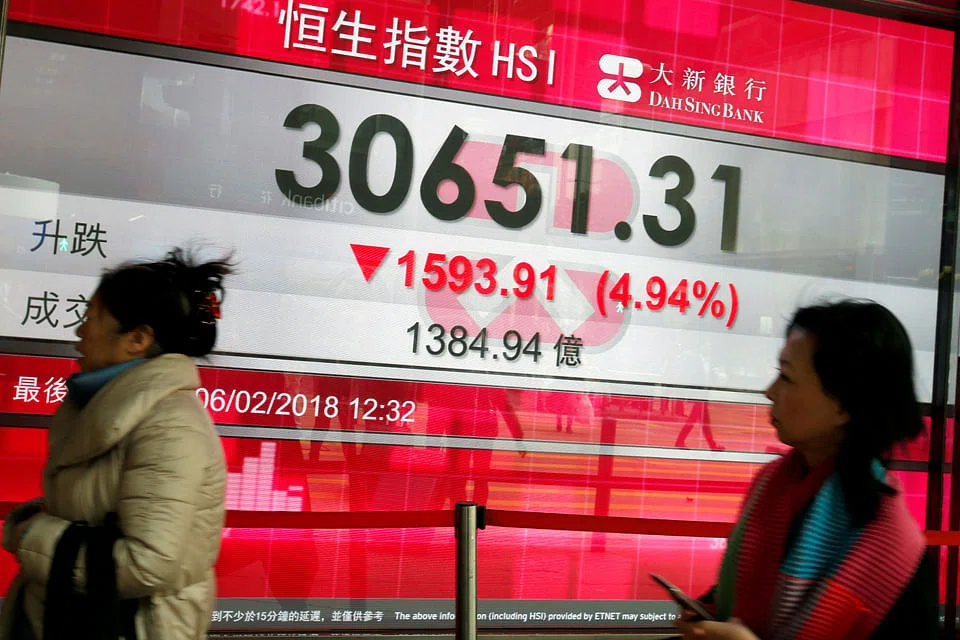
DeeperDive is a beta AI feature. Refer to full articles for the facts.
Hong Kong
HANG Seng Indexes is considering wide-ranging changes to Hong Kong's stock benchmark that would dilute the influence of its largest companies.
The five proposals include maintaining "a certain number of constituents classified as Hong Kong companies", according to a 16-page consultation paper released on Tuesday.
Hang Seng is also considering increasing the number of companies to between 65 and 80, as well as capping weightings at 8 per cent and fast-tracking new listings. The index currently has 52 members with weights limited to 10 per cent.
The sweeping proposal comes amid significant changes within the city's stock market, as a wave of Chinese megacaps choose the financial hub as a preferred venue to sell shares.
Hong Kong's benchmark index is near its lowest level versus the MSCI World Index in 17 years, and the gauge's abundance of old-economy financial stocks has made it look outdated in an age when China's tech giants have increasing sway.
Navigate Asia in
a new global order
Get the insights delivered to your inbox.
"The objective of an index is to represent the local market, not the local economy," said Kenny Wen, a wealth management strategist at Everbright Sun Hung Kai.
"So yes - the benchmark will inevitably lose its Hong Kong colour. The index could have higher valuations and greater volatility if these changes lead to the inclusion of more tech and healthcare firms. It will be easier to trade."
Launched in 1969, the Hang Seng Index started out with 33 constituents, rising to 38 in 2007 when it began to include H-share firms. In 2012, it expanded to 50 with the index covering roughly 60 per cent of the aggregate market capitalisation at the time, a number unchanged until this year.
The proportion of mainland companies increased to 79 per cent of the index this year from 41.6 per cent in 2005, according to Hang Seng's consultation paper.
Hang Seng is soliciting feedback to the proposals through Jan 24. The changes would affect tens of billions of dollars in pension fund assets and exchange-traded funds that track the index. BLOOMBERG
Decoding Asia newsletter: your guide to navigating Asia in a new global order. Sign up here to get Decoding Asia newsletter. Delivered to your inbox. Free.
Share with us your feedback on BT's products and services
TRENDING NOW

Shelving S$5 billion office redevelopment plan proved ‘wise’ as geopolitical risks mount: OCBC chairman

Eurokars Group introduces rental car franchises Enterprise Rent-A-Car, National Car Rental, and Alamo to Singapore
20 photos that show how dramatically Singapore has changed in two decades
Singapore’s key exports up 15.3% in March from electronics surge, exceeding forecasts

