

Hard assets, high stakes: Next-generation successors are betting on gold, watches and art as alternative investments
However, experts warn that these may not be ‘recession-proof’

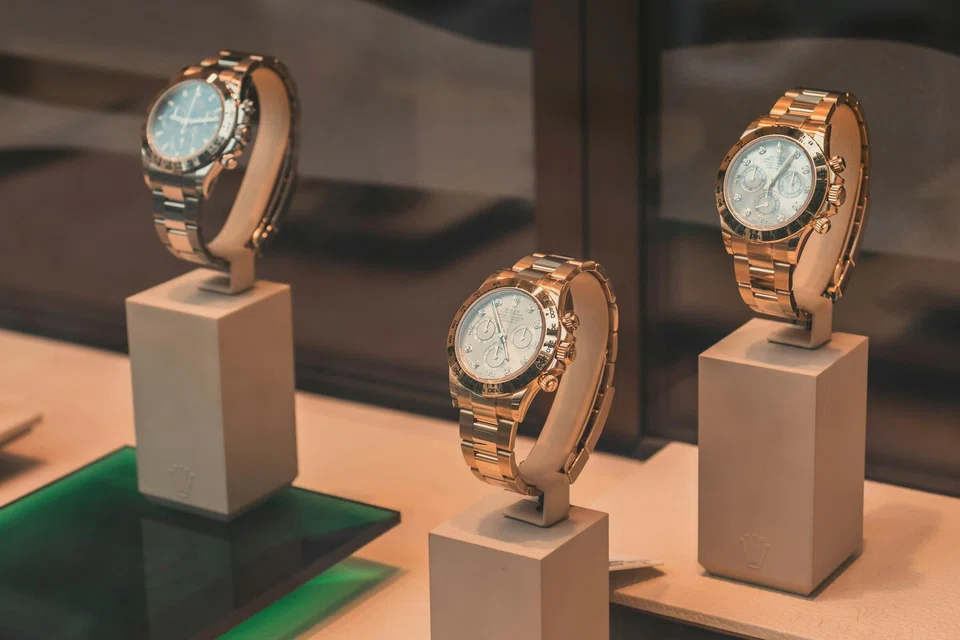
[SINGAPORE] Ultra-rich Asians who inherit traditional assets are not just passive recipients of wealth transfer these days. More and more, they are looking to switch some of their wealth to alternative assets such as physical gold and luxury watches, market watchers said.
A beneficiary of that trend is Malca-Amit Singapore, a logistics and storage provider. It has expanded its vaulting capacity in Singapore in recent years; in fact, the Republic hosts the highest volume of the group’s vaults and secure storage worldwide.
“We have been seeing a growing trend in Singapore around demand for private vault storage, especially among family offices,” noted Shiv Tulsiani, head of business development at Malca-Amit Singapore, who declined to give a specific figure.
The demand for more shelf space in these vaults highlights how the younger generation’s investment philosophy has evolved.
“The first generation collected. The second generation is building portfolios,” said David Stepat, Singapore country director at Dezan Shira & Associates.
This transition is most visible in the watch sector, which saw an exponential boom in valuations following the pandemic.
An industry watch dealer told The Business Times that younger collectors were now consolidating their capital into brands such as Rolex and Patek Philippe.
He pointed to specific models, such as the Rolex Daytona and Patek Philippe Nautilus, which have become highly sought-after assets for wealth preservation, as shown by the stark disconnect between official retail prices and the “grey market”.
The two models, for instance, frequently command grey-market premiums of 100 to 150 per cent over their official retail prices, he noted.
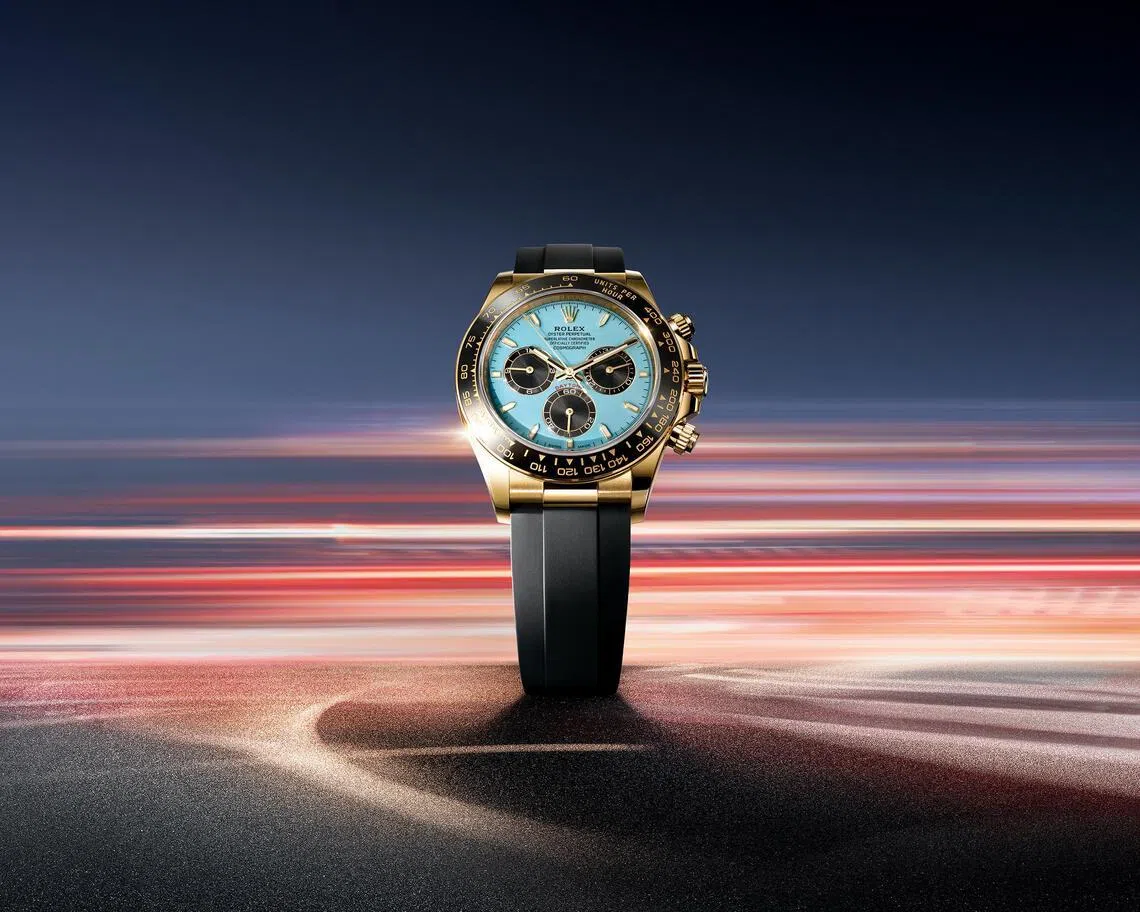
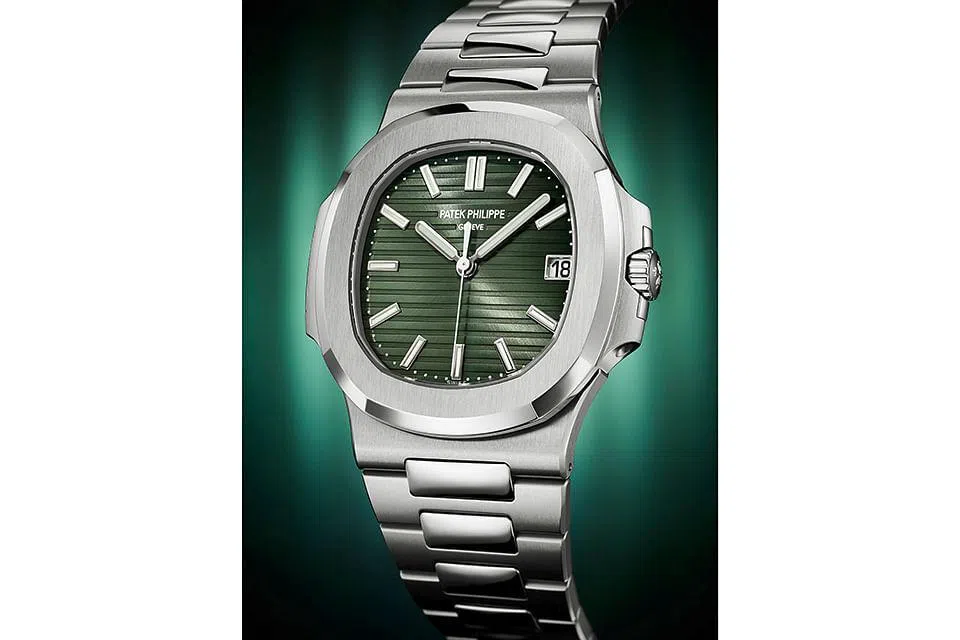
On a similar note, Stepat added that the watch market has become more institutionalised. This includes brand-backed authentication from Rolex and Vacheron Constantin, transparent indices and deep auction liquidity.
“The Knight Frank Luxury Investment Index is up 38.6 per cent over the past decade. Watches alone are up 125 per cent,” he said. “What used to sit in a vault as a trophy now sits on the family balance sheet as an asset class.”
A next-generation heir involved in the art auction house scene also noted that art is an asset class that younger generations like for storage of value.
This is a trend seen globally, with global art market sales rising 4 per cent to US$59.6 billion in 2025 amid ongoing market recalibration, The Art Basel and UBS Global Art Market Report 2026 noted.
Tulsiani added that, beyond value retention, physical assets allow for the “control” and owning of assets, and also the “hype” element that young people enjoy to show their status. Next-generation heirs also view culture as being a very important aspect in art, he said.
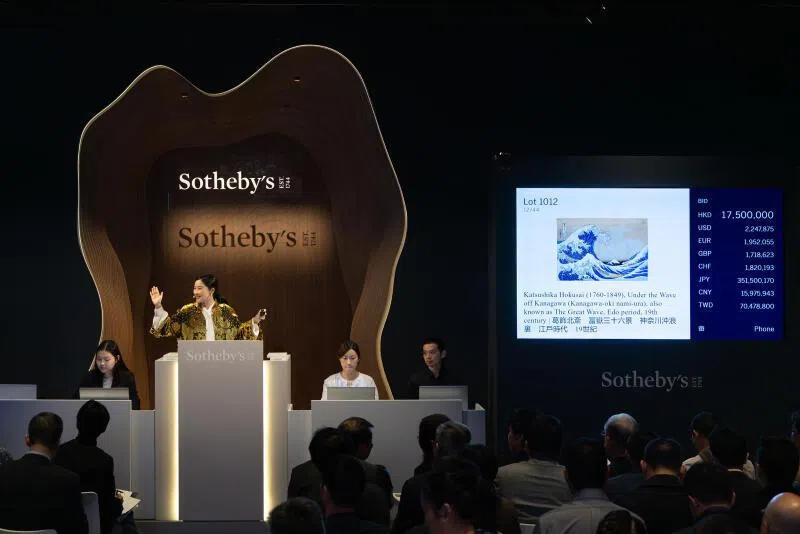
“Most importantly, in our generation, we have access to more knowledge and information,” he said. “This allows people to show in social circles how tasteful they are through art and the value of being rich comes beyond a house full of gold.”
He noted: “The value of Western art is strong because of how the economy has done well; and Japanese art meanwhile performed exceptionally well in 2025 alongside a stronger economy, with (the) Topix in 2025 up 22 per cent.”
Succession planning
Tulsiani said that young people see the importance of saving and investing in assets that hold their value, when it comes to succession planning.
In terms of how physical assets are positioned in Singapore, Stepat noted how they typically do not qualify as designated investments under the Monetary Authority of Singapore’s family offices schemes, and sit in a separate holding company with special purpose vehicles (SPVs) underneath.
The single family office then provides the governance for this separate holding company.
“One SPV for watches, one for art, one for bullion. When succession comes, the family transfers shares of the holding company, not the physical asset itself. Same watches, but now they have a board, an auditor and a succession plan.”
He noted that what the single family office structure does is institutionalise the asset class, where inside the holding entity, there is a board, audited financial statements, an independent valuer, defined custodian appointments and a documented succession path.
“Insurance premiums, storage fees and valuation costs become deductible business expenses rather than personal outgoings,” he added.
Safety and investment risks
For high-net-worth clients that require a more bespoke solution, there would be private vaults dedicated for the client, known as segregated storage, for specific assets to be held in their names and fully insured by entities such as Lloyd’s of London, said Tulsiani.
In terms of fees, Malca-Amit Singapore charges a percentage of the value of the asset for logistics and storage services. For precious metals, this value is determined by the London Bullion Market Association; for watches and art, the company looks at the “declared value”, which could be the market value or invoice value.
David Ng, CEO and co-founder of Arki Finance, said that different assets require different types of storage services. “Gold and jewellery may require vaulting or secure custody; watches require proper storage, insurance and maintenance; art may require climate-controlled storage and specialist handling.”
However, he added that there could be risks such as theft, damage, authenticity issues, valuation uncertainty, insurance gaps and difficulty selling the asset when liquidity is needed.
Stepat noted that beyond storage risk, the real risks sit upstream and downstream. This could come from insurance value that falls behind market value, for example.
Family-side risk is one that no structure fully solves, he pointed out. There could be situations where several heirs claim a single Hermes Birkin bag, and the work of a properly run family office is to document allocation while the principal is still alive, removing disputes before they surface.
Ng said: “Physical assets can have a place in a wealthy family’s balance sheet, but they should not be romanticised as recession-proof investments.” The key is to understand their purpose and to manage the practical risks.
“That said, these assets should complement and not replace a well-diversified financial portfolio.”
TRENDING NOW

Britain’s mansion tax shows the difficulty of targeting wealth

Once staunchly pro-China, Malaysian Chinese businesses are now distancing themselves from Beijing

The only common thing in S-E Asia is that we all eat rice: Cisco’s Asean president

Singapore data centre operator DayOne opts for US IPO at likely US$20 billion valuation

