

Henderson's Bennett flirts with depressed oil majors
Europe not cheap and can correct another 10% before his views change, says veteran fund manager
Singapore
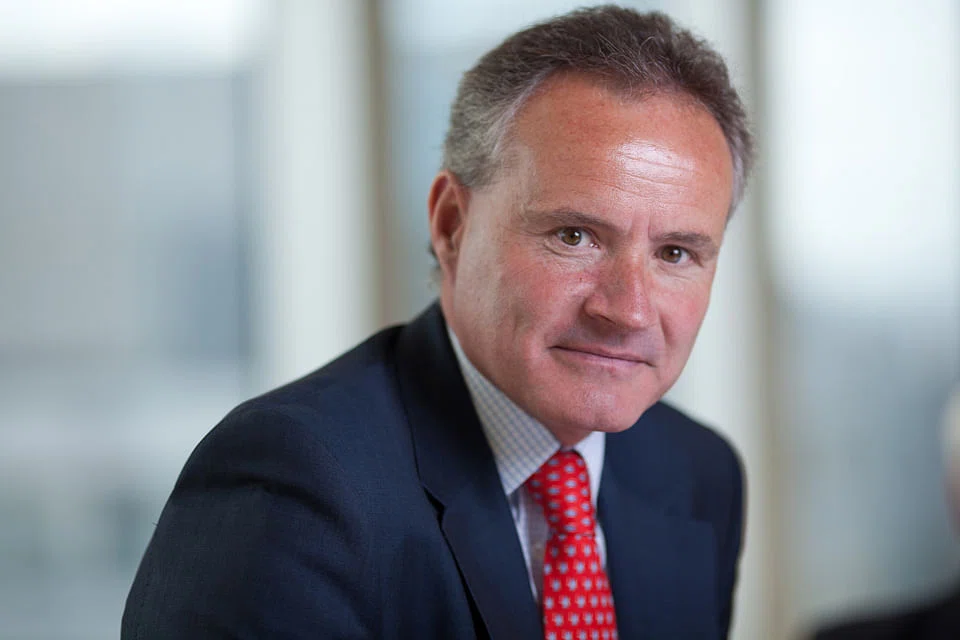
EVEN as European stocks remain expensive, depressed oil supermajors have piqued the interest of John Bennett, director of European equities at Henderson Global Investors.
The veteran fund manager has been buying the listed oil producing and refining giants, though he cautions he lacks conviction and his positions are small.
"I don't think it's a good idea to go from single to getting married. I think you need to get engaged in the sector," he told The Business Times last Friday.
"So go early, go small, get engaged," he said.
A few reasons could lead to a better outlook for big oil, Mr Bennett said.
First, CEOs who have empire-building tendencies could see their companies face crises, be replaced by new CEOs who allocate capital in a more disciplined way, who then shrink the businesses of their predecessors and improve returns on capital.
Second, oil prices can move up. "The Middle East is not exactly a haven of peace. The Saudis are under real pressure, fighting Yemen, fighting Iran ... at the moment (the potential for conflict to move prices) is like a free option because nobody expects it," he said.
Investing a little bit means he can exit easily, Mr Bennett said.
"I could be wrong, oil goes to US$10 and CEOs remain complacent, and I could come out."
Mr Bennett, who has managed European equities for 28 years, had warned last May that there was little value left in large-capitalisation stocks in the continent.
Since then, European stocks have fallen around 10 per cent.
Nothing is absolutely cheap yet, and stocks could fall another 10 per cent before his views change, said Mr Bennett, who manages 13 billion euros (S$20 billion) of assets.
One worry is China devaluing its currency in a big way this year, he said. China's overcapacity problems will also remain as they want to keep people employed rather than shut production facilities down, he said.
Germany will be hit especially hard because they make cars and capital goods like equipment and machinery, he said, adding that German stocks could have peaked. Germany's DAX index is down 20 per cent from its April 2015 historical high.
"China has gone from a great consumer of many European goods, to now going to be a supplier of goods," he said.
Mr Bennett said he has sold out of industrials to buy companies that generate revenue domestically. He bought telco stocks, Dutch food retailer Ahold, and Danish support services giant ISS.
He still sees value in pharmaceutical companies, which trade at 16 times earnings.
Typical holdings in his funds include drugmakers Roche, Novartis and Bayer. He also owns food giant Nestle and airbag maker Autoliv.
Globally, Mr Bennett thinks equities are in a bear market. However, he thinks there can be bull markets in between, seen in the current fascination with healthcare, innovation, science and technology, and income stocks.
"Relatively, Europe's all right. US is the worst valued with more margin pressure to come," he said.
Given record-high profit margins in the US, a strong dollar and rising wage pressures suggest the situation will not last, he said.
A challenge he faces is how to invest fund inflows given the lack of bargains and a slow growth environment.
"If there's a decade of low inflation, low growth and perhaps deflation, then you have to keep buying the expensive stocks. But that's the greater fool theory," he said.
TRENDING NOW

He built the Vingroup empire. Now South-east Asia’s richest man is handing some key roles to his sons

US dollar falters after Iran’s offer to reopen Hormuz sends oil lower

Temasek’s Wan Chee Foong to helm PIL, Lars Kastrup to be board adviser
Despite the de-dollarisation debate, demand for dollar liquidity in Asia is growing

