High steel prices could hit construction industry
Margins may be compressed also due to higher labour costs and lower productivity from social distancing measures
Singapore
ON its own, the global steel price rally in recent months may not have much impact on the profit margins of those in the built environment sector. But it is another significant headwind that they face in their operations, industry observers said.
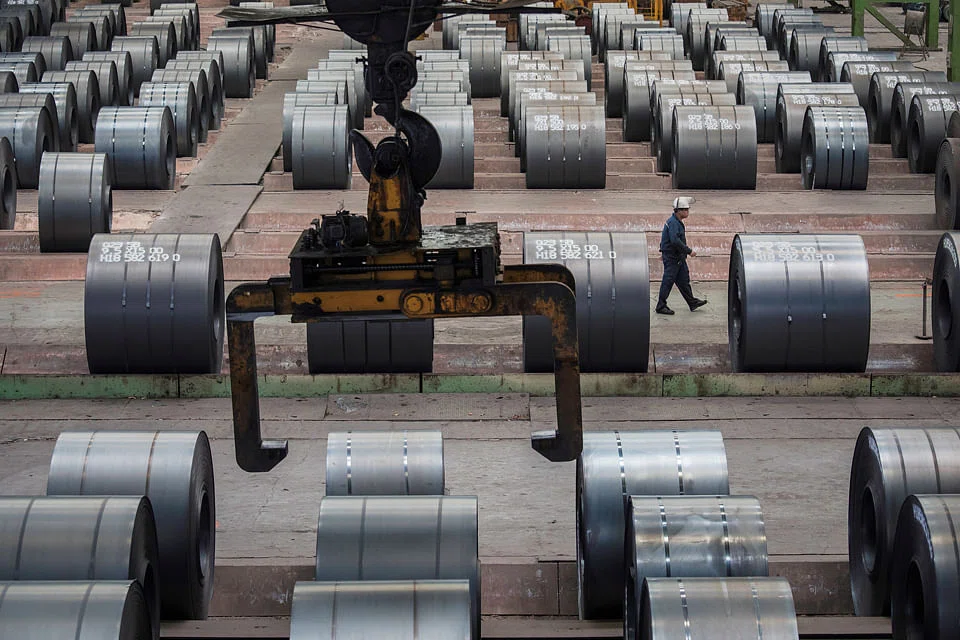
Demand for steel is rising as activity picks up across the construction and manufacturing industries.
A January 2021 construction price update from the Building and Construction Authority (BCA) showed preliminary figures for the price of high tensile steel bars of 16-32mm dimensions was S$809 per tonne in December - a 13.3 per cent year-on-year increase. Prices for these steel bars ranged from S$710 to S$735 per tonne throughout 2020.
Supply, too, has been constrained in some parts. Spring Tan, partner at Withers KhattarWong, said: "I understand that many steel mills were idle during the pandemic in 2020, and there was a strong demand for steel and iron ore in China. Hebei province accounts for over 20 per cent of China's steel production.
"The recent spikes in Covid-19 cases around Hebei province stopped production of steel around Hebei, and may have increased the demand and hence prices for steel."
The increase does not have Or Toh Wat too worried. The group managing director of civil engineering company OKP Holdings said many of its contracts would contain escalation clauses to protect them in the case of price increases. "Thus, we are relatively insulated from the impact of fluctuating steel prices in our business operations," he added.
CGS-CIMB equity research analyst Ong Khang Chuen said movements in steel prices alone are unlikely to "significantly impact profitability" of construction companies.
"Looking back at (the) past 10 years, the construction industry's annual spend on steel bars only accounted for (about) 2-4 per cent of progress payments," he added.
He does, however, expect to see a margin compression for projects that contractors have secured pre-Covid-19. This would be due to multiple factors including not only higher raw material prices but also higher labour costs and lower productivity from social distancing measures.
The increase in steel prices may also cause developers to put projects on hold or source for cheaper alternatives, said Ng Yiaw Heong. The general manager of business development at TTJ Design & Engineering said this would impact the revenue streams of players across the sector.
Withers KhattarWong's Ms Tan believes the steel price rally "will be short-lived", with prices declining once the production of steel restarts worldwide.
Earlier this month, Fitch Ratings also said that it does not expect the current levels of steel prices to be sustainable. "We expect prices to drop at some point in Q1 2021 to levels closer to historical through-the-cycle ranges," said its commentary.
Share prices of construction companies could, nevertheless, be negatively impacted.
Seah Kiin Peng, group chief executive of reinforcing steel fabricator BRC Asia, said that while local construction has restarted more substantially since last August, firms in the sector "have been grappling with higher costs all around, a severe lack of manpower and lower productivity due to ongoing Covid-19 restrictions, while having to fulfil older pre-Covid-19 contracts - which were entered into without consideration of these extraordinary challenges".
"This cannot be positive for the publicly-listed firms in the sector."
READ MORE: Propped up by government support last year, construction sector could see more exits in 2021