

HKEX offers deeper capital pools to primary, secondary listings from S-E Asia
Bourse positioning HK as complementary fundraising venue, says head of global issuer services Johnson Chui

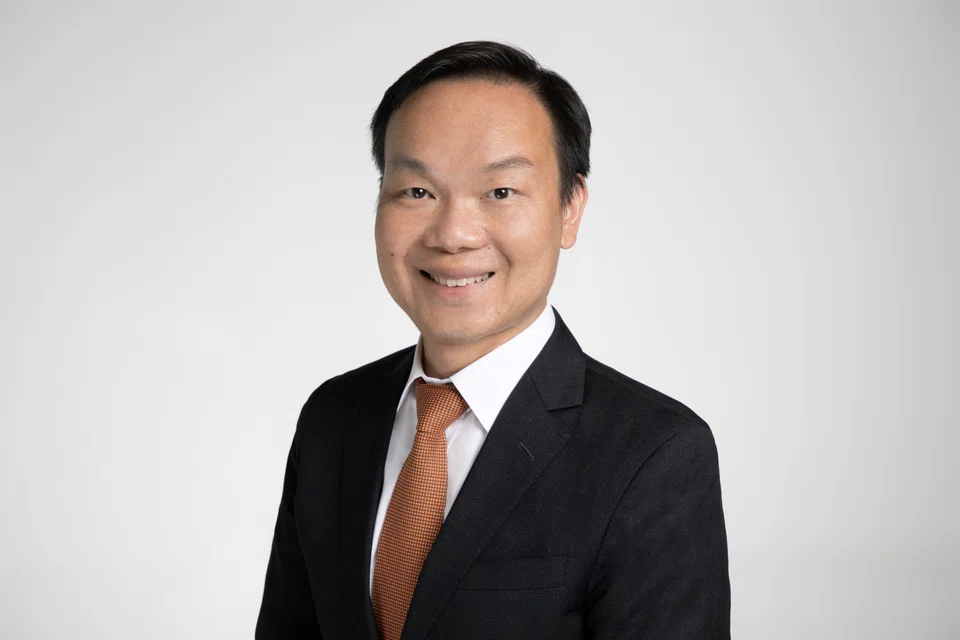
[SINGAPORE] When Indonesian miner Merdeka Gold Resources secured a secondary listing in Hong Kong in June, it underlined the message that the Hong Kong Exchanges and Clearing (HKEX) has been making to South-east Asia – a listing in Hong Kong is meant to complement, not replace, a company’s home exchange.
Johnson Chui, head of global issuer services at the city’s bourse operator HKEX, told The Business Times that rather than compete with domestic bourses for listings, the stock exchange intends to position itself as a gateway to deeper pools of international capital and broader shareholder access.
“Last year, we had seven international companies, a good handful from South-east Asia, ranging from metals and mining, (to) consumer technology and biotech,” he said.
He added that HKEX is gradually seeing more international companies choosing to list in Hong Kong, whether it is in a form of sole listing or dual listing.
There are more than 100 South-east Asian companies on HKEX, out of more than 150 international companies listed. In total, the bourse has more than 2,700 listed companies across its boards.
Chui said that the exchange usually hosts two to three listings from the region each year.
In the first half of 2026, HKEX welcomed two South-east Asian listings: BBSB International, a Malaysian infrastructure firm; and Merdeka Gold Resources, an Indonesian gold miner. There are about 10 international listings in the pipeline for the year.
Chui pointed to Hong Kong’s deep and liquid market, long history of initial public offerings and secondary fundraising, and access to a broad base of global investors as key draws for South-east Asian companies looking to list there.
Listing in Hong Kong provides issuers with a wider peer group than their domestic exchanges. This allows them to be benchmarked against regional and global industry leaders, he added.

Chui believes that companies also see value in a Hong Kong listing “beyond just pure finance or capital markets” because it also helps enhance their global profile.
“Regional connectivity, particularly within Asia, is a strong area of focus for us – this is why I keep using the term ‘complementary relationships’,” he added.
More capital, more scrutiny?
Regional connectivity, however, cuts both ways as deeper capital pools can also bring about deeper scrutiny.
The performances of the South-east Asian listings have been mixed so far. While companies such as Merdeka Gold capitalised on global macro tailwinds, both Thailand beverage maker IFBH and Singapore-headquartered biotech company Mirxes struggled after going public.
Mirxes listed on HKEX in May 2025, raising more than HK$1 billion (US$127.5 million). It was South-east Asia’s first biotech firm to list on the exchange.
Less than a year later, however, the company delayed its full-year 2025 results after auditors KPMG flagged unresolved concerns over prepayments made to service providers and vendors. This lead to the suspension of its shares from trading from Apr 1, 2026.
IFBH issued a profit warning for an expected decline in net profit of about 65 to 75 per cent for the six months ended Jun 30, 2026.
The profit warning came as its market share of China’s offshore channels fell by nearly half, based on data from MaxWin, an offline retail monitoring agency.
This comes as cross-border due diligence becomes more critical as South-east Asian companies tap Hong Kong’s capital markets, given differences in corporate structures, regulatory regimes and disclosure standards.
These can increase compliance and reputational risks for both issuers and investors.
Diversity for stability
As global developments continue to drive volatility in secondary markets, Chui believes that a more geographically and sectorally diversified issuer base will strengthen the resilience of its own market for greater stability.
HKEX, he noted, has stepped up work with regional exchange counterparts. In March, it signed a memorandum of understanding (MOU) with Bursa Malaysia, later adding it to its recognised stock exchange list.
In June, HKEX signed a separate MOU with the Astana International Exchange and the wider Astana International Financial Centre in Kazakhstan, aimed at boosting capital market connectivity and green finance cooperation.
“In HKEX, we view ourselves as the super connector,” said Chui. “It is about growing Asian capital liquidity and making it more investable together.”
Decoding Asia newsletter: your guide to navigating Asia in a new global order. Sign up here to get Decoding Asia newsletter. Delivered to your inbox. Free.
Copyright SPH Media. All rights reserved.
TRENDING NOW

Once staunchly pro-China, Malaysian Chinese businesses are now distancing themselves from Beijing

Looking beyond looming CEO succession, should UOB potentially pursue a transformative merger?

Could stablecoins be the future of money?

Grab CEO’s wife Chloe Tong on life with Anthony Tan and finding her purpose

