

Hongkong Land's share buybacks are not the panacea investors are seeking

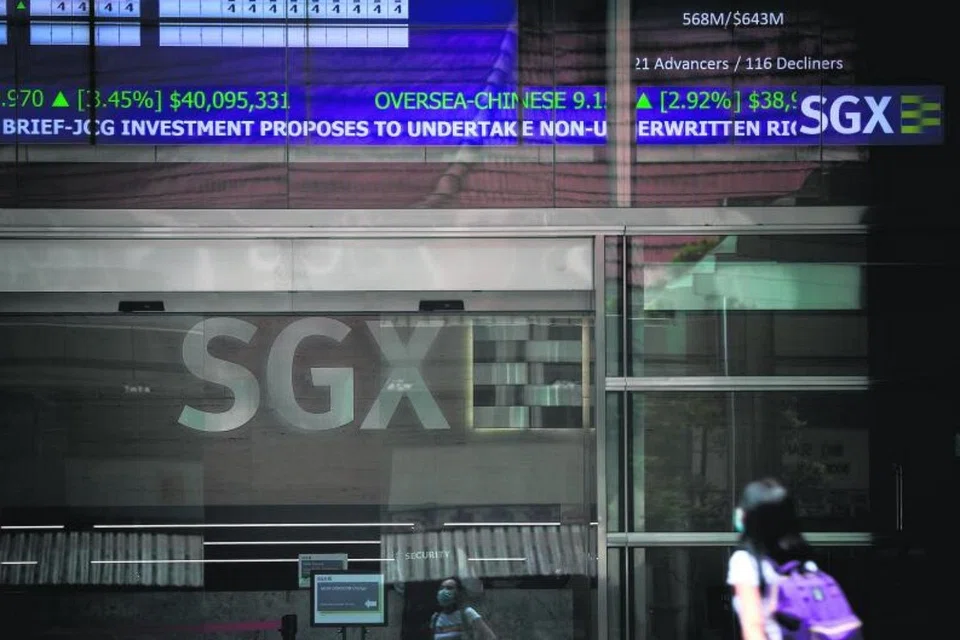
SINGAPORE-listed property player Hongkong Land is repurchasing up to US$500 million worth of its shares, following an announcement in early September of the corporate action.
The company, in its statement to the Singapore Exchange, said the move is in line with its long-standing capital allocation practice, which is to prioritise investment in new assets to drive long-term growth and shareholder value; continued payment of steady and increasing payout of dividends; and investment in existing assets on an opportunistic basis, including through share buybacks.
The corporate action demonstrates the difficulties faced by this member of the Jardine stable of companies.
Hongkong Land does not have investment opportunities that would generate a return higher than its weighted average cost of capital (WACC). Its latest return on invested capital (ROIC) is a negative number, according to Bloomberg data, and way below its WACC of 9.35 per cent. When WACC outstrips the ROIC, it means that investments undertaken are destroying shareholder value.
In such a circumstance, the company must find ways to improve its ROIC or lower its WACC. Or, it could return funds to shareholders so they themselves can better deploy the capital at a higher return.
Hongkong Land's ROIC could not even offset its latest cost of debt of 3.1 per cent.
Granted, office rentals have fallen due to soft demand amid the pandemic. But many peers of the Hongkong-based company have done better, going by a comparison of Bloomberg data.
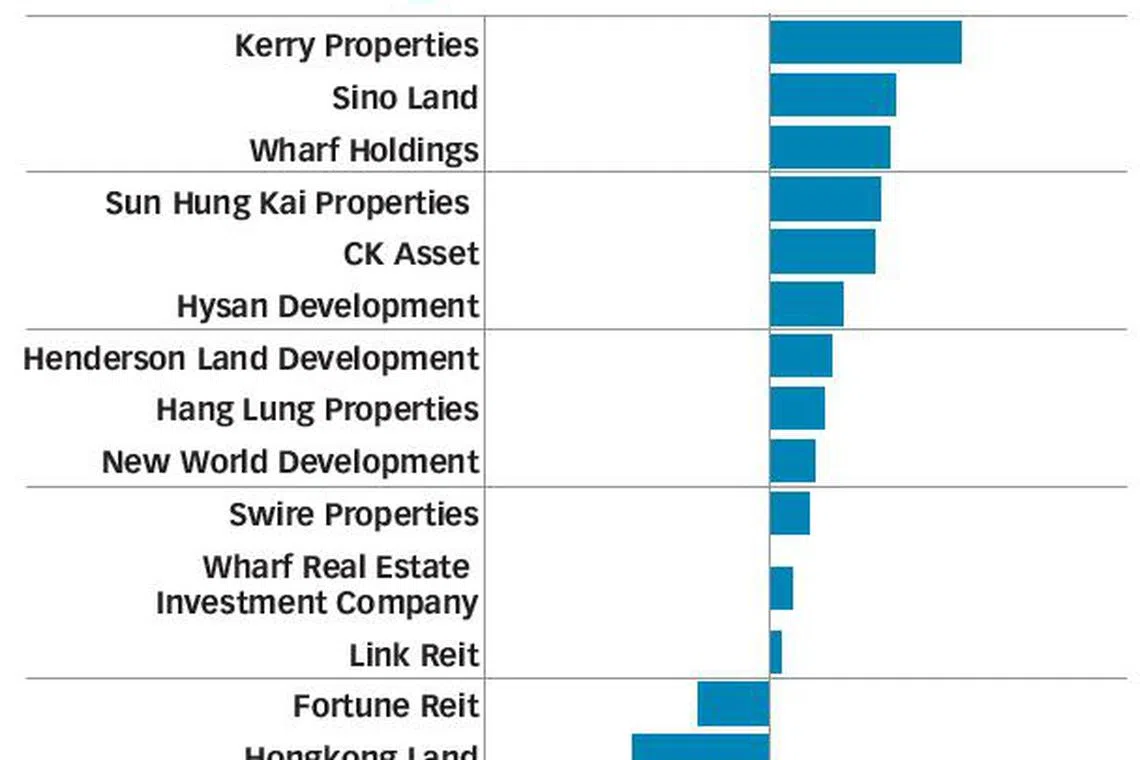
Hongkong Land's share buybacks have helped lift the stock. The counter has gained 13.8 per cent since the buybacks were announced, closing at US$4.78 as at Sept 28.
But it is still trading at a steep discount to its net asset value of US$14.75 as at end-June.
Should investors take advantage of the recent rally to cash out? Or should they hang on for better value now that management seems to be turning more proactive?
For its ROIC to be equivalent to its WACC - and assuming no change in the cost of capital - it would take an earnings before interest and tax (excluding change in fair value of investment properties) of at least US$3.6 billion.
But since 2016, not even Hongkong Land's top line has hit that level.
What could change the outlook for the property player?
The company is the largest landlord in Hong Kong Central - the central business district. It presently derives its profits mainly from investment properties.
Development earnings making up about 28 per cent of profits, according to its latest results.
A higher proportion of development properties in its portfolio might help improve returns.
China's residential market is presently going through significant turmoil, which means there could be bargain opportunities. Hongkong Land should strike while the iron is hot to cash in on the rising demand and prices fuelled by cheap loans.
TRENDING NOW
CapitaLand, Far East, Sing Holdings team up for S$1.8 billion bid at S$910 psf ppr for Jurong Lake District site
‘If there’s a price to be paid, so be it’: George Yeo says Singapore must safeguard its reputation

Demand, tech capabilities position Apac and AI as Skyscanner’s next growth frontiers: CEO Bryan Batista

US agents, Singapore officials conducted Megaspeed check in June 2025; Alice Huang interviewed: US agencies

