Hospitality Reits could register higher RevPAR in Q2, with recovery in 2022

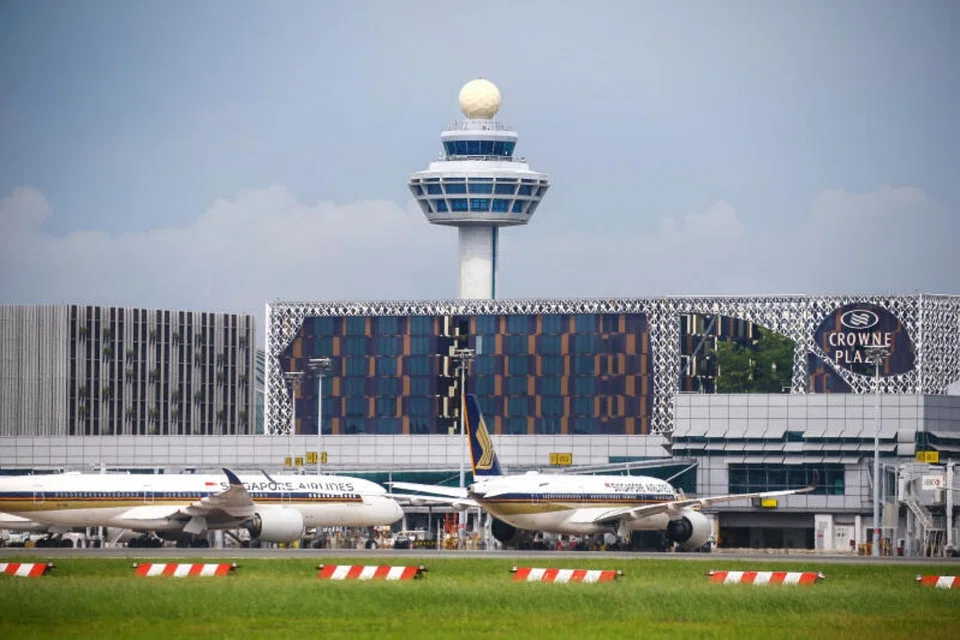
HOSPITALITY Reits could post an uptick in revenue per available room (RevPAR) in Q2, supported partly by an increase in stay home notices (SHN) as Singapore saw a resurgence in virus cases during the quarter.
But a recovery, and a sustainable one at that, will take a bit more time and may only be seen in 2022.
CGS-CIMB analysts Eing Kar Mei and Lock Mun Yee project that hospitality Reits with a global footprint such as Ascott Residence Trust (ART) and CDL Hospitality Trusts (CDLHT) will clock higher RevPAR quarter-on-quarter in Q2, underpinned by some overseas markets which have started to relax safe distancing measures, such as Europe.
Far East Hospitality Trust, however, could post lower income quarter-on-quarter, weighed down by its serviced residence arm, they added.
Ultimately, mass vaccination will be the linchpin in reviving the global tourism industry. For now, domestic travel is returning ahead of international travel, which means that countries with a large domestic population are well-placed to ride the recovery.
As a pure US play, ARA US Hospitality Trust is well positioned to benefit from the uptrend since occupancies in the US had bounced back to 70 per cent and daily room rates had returned to pre-pandemic levels in the month of June, according to DBS Group Research analysts Derek Tan and Geraldine Wong.
In Singapore, where the domestic market is limited, hotels are receiving a leg up from being contracted out to the government. Since the pandemic first broke out last year, some hotels have been used by the government as either quarantine facilities or as SHN-dedicated facilities for those serving SHN, such as incoming travellers.
And with Covid-19 cases resurging in recent months, more hotels are being deployed as SHN facilities again. According to Smith Travel Research, the number of hotels in Singapore contracted by the government hit 40 per cent in June, up from 30 per cent in December last year.
Domestic demand from staycationers is also helping to an extent, although the heightened alert measures in May and June would have dampened demand from the public.
While RHB analyst Vijay Natarajan reckons that there is a possibility of a quarter-on-quarter uplift in RevPAR in Q2 on the back of the stay home notices issued, a "meaningful recovery" is more likely in H1 2022 after the borders reopen to specific countries. A full reopening of borders could be on the cards in 2023.
For now, the global recovery remains patchy, Mr Natarajan pointed out, though there are some bright spots that have emerged, namely Australia, New Zealand, the United States and some markets in Europe. "Even then, occupancies and room rates haven't surged because the vaccination drive is still ongoing," he said.
Similarly, DBS's Mr Tan expects the recovery for hospitality Reits may only come in 2022, or Q4 2021 at the earliest.
In Singapore, the government has signalled that leisure travel could take flight again by the end of the year, with the city-state likely to open up to countries that have low infection rates and high vaccination rates such as the United States and parts of the European Union.
For hoteliers with a larger exposure to Singapore, one potential hurdle could be an easing in the number of hotels contracted by the government before international travel resumes, analysts have flagged. This could be a transition period that hoteliers would have to grapple with. It also remains to be seen whether corporate travel will eventually return to pre-Covid levels or whether companies will limit themselves to essential trips to save on costs.
Still, when the recovery does come, it is expected to come with gusto, thanks to pent up demand, with the luxury hotel segment leading the way as consumers splash out after a long hiatus from holidays.