

Hot stock: Yangzijiang Shipbuilding up 15% on robust H1 earnings
Revenue rises 15.3 per cent to 13 billion yuan, mainly due to the strong performance of its shipbuilding business, which makes up 95 per cent of total revenue

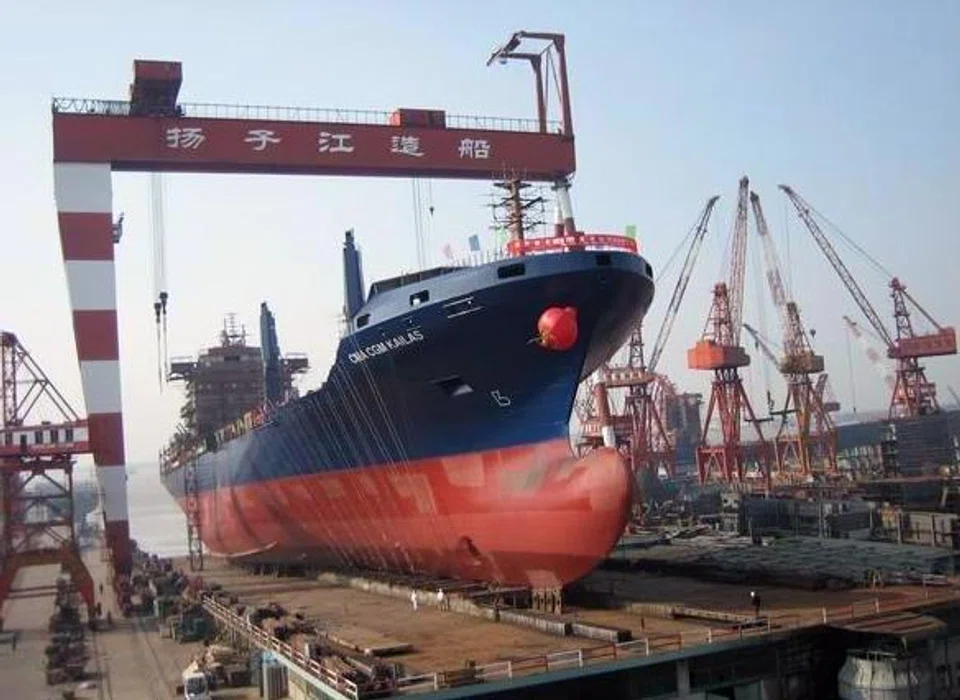
SHARES of Yangzijiang Shipbuilding gained some ground on Tuesday (Aug 13) morning after the company reported a 77.2 per cent increase in first-half net profit.
The counter hit a high of S$2.74 as at 9.44 am, gaining 15.1 per cent or S$0.36.
As at 10.48 am, Yangzijiang Shipbuilding was the most actively traded counter by both value and volume. Its shares were trading up 14.3 per cent or S$0.34 at S$2.72, with 29.2 million shares having changed hands.
No married deals were recorded in early trade, ShareInvestor data indicated.
Yangzijiang Shipbuilding on Monday reported a net profit of 3.1 billion yuan (S$553.7 million) for the first half ended Jun 30, up from 1.7 billion yuan from the year-ago period. This came as earnings per share for the period rose to 77.42 fen from 43.69 fen the year before.
Revenue had gone up 15.3 per cent to 13 billion yuan, mainly due to the strong performance of its shipbuilding business, which contributed to 95 per cent of the total revenue.
In the six months, it added a total of 79 new orders worth US$8.5 billion, bringing its order book to a “record-high amount of US$20.2 billion for 224 vessels, providing earnings visibility up to mid-2028”.
The company reported that its focus on building eco-friendly ships has enabled it to secure a record number of orders, as the majority of these new orders were for green vessels.
Looking forward, executive chairman and chief executive Ren Letian said Yangzijiang is planning to convert its chemical terminal on the Yangtze River into a liquified natural gas logistics terminal/hub with storage and distribution capabilities, which “provides recurring and defensive income in the long run”.

