HSBC deepens Asia startup push three years after Silicon Valley Bank deal
Its Innovation Banking unit has styled itself as a one-stop shop for businesses just starting up or expanding

[SINGAPORE] Three years after acquiring Silicon Valley Bank’s UK operations in the wake of the US lender’s collapse, HSBC is putting momentum into its push to become the bank of choice among tech startups, founders and the venture capitalists (VC).
The acquisition in March 2023 for just £1 (US$1.32) led to the launch of HSBC’s Innovation Banking unit three months later. The bank has since expanded into markets including Singapore, where this new unit debuted in October 2025.
Since the launch, the bank has on-boarded about 1,000 new-economy firms in Asia which were new-to-bank.
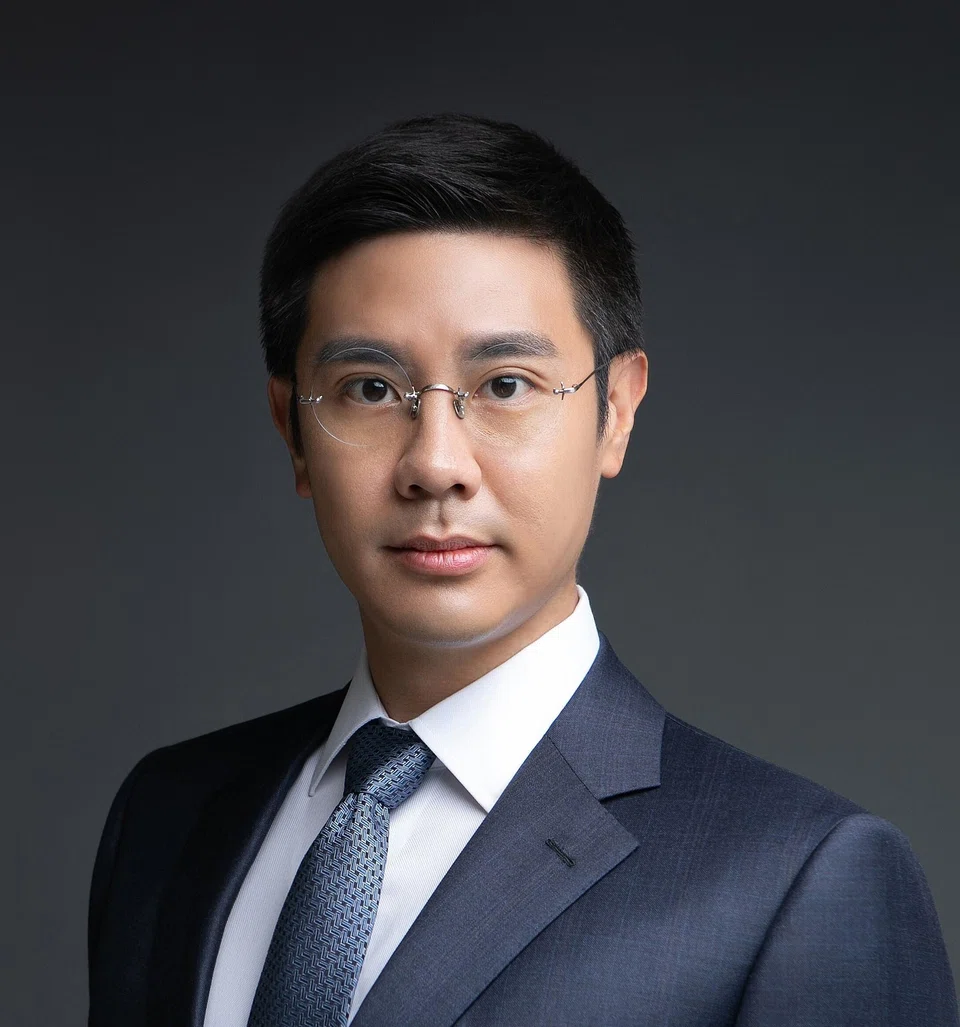
HSBC’s head of Innovation Banking Asia Jonathan Yip said: “The thesis behind Innovation Banking, at a very personal level, is actually about global prosperity, and the way we built the business is centred around supporting the ecosystem as a whole.”
This gives clients in the startup ecosystem a single point of contact for their banking needs, instead of having to touch base with multiple teams in the bank.
Behind the scenes, the unit brings together various teams to service the ecosystem, ranging from a team that banks the VC firms, to another that banks the startups, to a dedicated credit underwriting team.
There is even an investor coverage business development team that works with the startup-ecosystem players to figure out how HSBC can solve their problems, said Yip. The unit has more than 900 staff across the bank globally.
“When you put that all together, we think that’s a formula that enables us to solve problems in the ecosystem in a much more coherent and faster way,” he added.
Starting early
Reducing friction for the startup ecosystem within the banking and finance infrastructure is a key focus of the Innovation Banking unit, as well as creating connections between clients in the ecosystem.
But risk management still matters for the bank, added Yip.
For HSBC, building relationships with startups at the outset could also create opportunities for other teams across the bank as these companies grow.
“Engaging with these startups and founders at an early stage enables us to plug them into our private bank and wealth management platforms at a much earlier stage,” said Yip. “It allows us to engage our capital markets and investment banking teams at the right time to help them move on to the next phase of their company.”
Innovation Banking has gained traction in the startup ecosystem over the past couple of years, which he noted has been supported by the macroeconomic environment and the money being channelled into the tech sector.
“We’re probably the first bank that a lot of investors call to solve a problem, because there is no startup building in this ecosystem that will operate in only a single country; it will need bank accounts in multiple countries from Day One,” said Yip.
Founders of these startups tend to be brilliant within their subject matter, but lack the necessary knowledge and experience of what their company needs for banking, or even the company formation required, he noted.
As a result, these founders are looking for help and the Innovation Banking unit has received many referrals from within the startup ecosystem.
Neil Falconer, head of HSBC’s Innovation Banking in Singapore, said the bank being there for these founders when they enter a new market, to take the friction and operational obstacles out of growing their business there, is what founders have described as the “differentiator”.
Opportunities ahead
In Asia, Yip sees opportunities for Innovation Banking as funding shifts from software to physical infrastructure, and as AI calls for greater investment in physical infrastructure. The opportunities he was referring to are in data centres, chips, energy and robotics, for example.
But there are some challenges that Innovation Banking will have to overcome with the Asia startup ecosystem – and chief among them is how companies can generate sustainable returns.
Yip said investors are underwriting three variables now – compute, compliance and commercialisation, and that businesses that strike a balance among all three will be the winners of tomorrow.
Businesses will have to make the right calls around compute, which is getting more expensive with AI models using more tokens for complex tasks, he noted.
Compliance will also be essential to operate within each country’s regulatory frameworks on AI.
Referring to commercialisation, Yip said: “Finding a spot to monetise – whether it’s consumers or businesses that are willing to pay for it – is something that will become front and centre very quickly. You can’t just keep losing money forever.”
Falconer pointed out that the region is now focusing more on profitability and making exits work. There is some “relative optimism” for exits this year through mergers and acquisitions or the capital markets.
That optimism extends beyond the next 12 months to the next wave of companies looking for exits, he added.
“We continue to work with investors and companies to figure out how the bank can be helpful along that journey,” said Yip.
TRENDING NOW
Temasek’s Wan Chee Foong to helm PIL, Lars Kastrup to be board adviser
Chagee, Mixue and Luckin won the market. Sustaining their edge is the harder part
He built the Vingroup empire. Now South-east Asia’s richest man is handing some key roles to his sons
One-third of Singapore-listed firms at risk in severe AI downturn: MAS