HSBC, StanChart hike Hong Kong prime rates as liquidity shrinks
 Add BT as a preferred source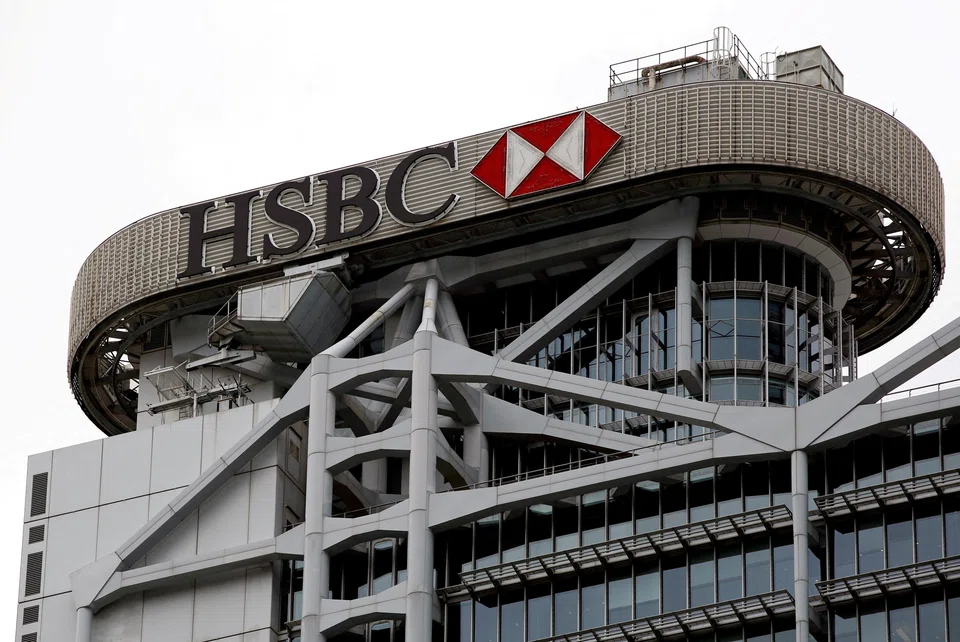
DeeperDive is a beta AI feature. Refer to full articles for the facts.
HONG KONG banks including HSBC Holdings raised their main lending rates for the first time this year as liquidity shrinks in the financial hub.
HSBC, the city’s biggest lender, increased its Hong Kong dollar prime rate by 12.5 basis points to 5.75 per cent per annum, effective on Friday (May 5). Standard Chartered and Bank of China (Hong Kong) also announced they would raise their prime rates.
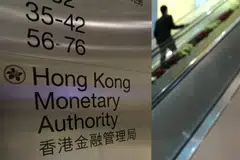
The moves came hours after the Hong Kong Monetary Authority (HKMA) lifted its benchmark interest rate by 25 basis points, following the US Federal Reserve.
The environment is turning tougher for local banks, which resisted boosting their lending rates after the past two HKMA hikes. Repeated interventions to protect the city’s currency peg with the greenback are draining liquidity from the financial system and forcing short-term interbank borrowing costs, or Hibor, higher. That’s increasing funding costs for lenders.
“The US Fed’s rate hike of 25 bps on May 3 could keep US short-term market rates elevated, fuelling Hong Kong’s Hibor and driving banks to lift their prime rates to more than 6 per cent later in 2023,” Bloomberg Intelligence analysts Francis Chan and Peter Lau wrote in a note on Thursday (May 4).
One-month Hibor has climbed to 3.63 per cent, the highest in four months, and narrowing the discount to its US equivalent Libor to about 1.5 per cent percentage points.
Navigate Asia in
a new global order
Get the insights delivered to your inbox.
The difference in yields has made shorting the Hong Kong dollar profitable, known as the carry trade. The result is the currency has traded near the weak end of its trading band against the greenback for much of this year, forcing the HKMA to step in every time it goes over the line. On Thursday alone, the HKMA spent HK$4.7 billion (S$795.2 million) defending the peg.
The repeated interventions are lowering the aggregate balance, a measure of interbank liquidity, to HK$44.5 billion, its lowest level since 2008. The balance was 10 times that at HK$457 billion as recently as September 2021.
“With funds flowing out from the Hong Kong dollar system, the interest rate automatic adjustment mechanism will kick in, thereby driving the Hong Kong dollar interbank rates to gradually rise and track the US dollar interbank rates,” Eddie Yue, chief executive of the HKMA, said at a briefing on Thursday. The speed and magnitude of the increase will depend on the amount of dollars in the local funding market, Yue said.
Rising lending rates could add pressure on an economy that finally emerged from recession in the first quarter. Gross domestic product expanded 2.7 per cent in the three months to March from a year earlier as the reopening of its borders revived spending. Prime rates in Hong Kong are used as a base for banks to quote interest rates on mortgage loans.
“Amid an uncertain global environment, rate expectations will remain uncertain,” said HSBC Hong Kong chief executive Luanne Lim in a release. The adjustments are appropriate “considering the macro-economic environment, Hibor trends as well as the impact on our economy,” Lim said.
Fed watchers expected this rate increase to be the central bank’s final hike for a while, as tighter lending conditions and signs of a slowing economy suggest inflation will cool in the months ahead.
Yue also said that Hong Kong banks have no business dealings or risk exposure linked to troubled banks in the US, and that the direct impact on Hong Kong’s financial system is “very small.” BLOOMBERG
Decoding Asia newsletter: your guide to navigating Asia in a new global order. Sign up here to get Decoding Asia newsletter. Delivered to your inbox. Free.
Share with us your feedback on BT's products and services