

IHH Healthcare guides for higher FY2024 capex as it pushes bed growth in key markets

Megan Cheah
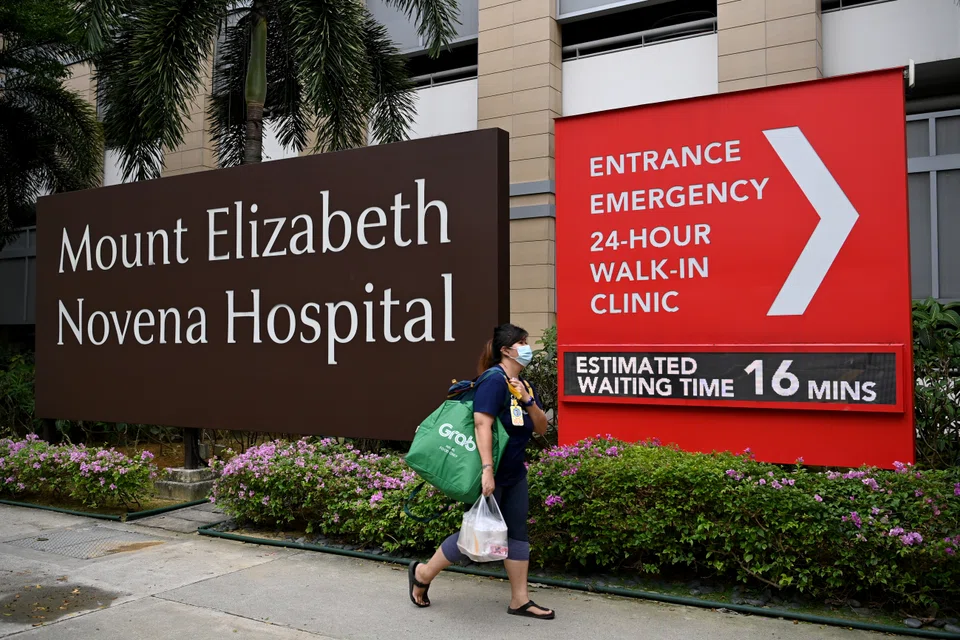
PRIVATE healthcare group IHH Healthcare is continuing its quest for organic growth as it works to expand its capacity by around 33 per cent by 2028, said its senior management on Friday (Mar 1).
This is equivalent to around 4,000 new beds in several markets, with more than 1,000 each slated to be added to Malaysia and India over the next five years.
In other markets – specifically Turkey, Europe and Hong Kong – bed numbers will go up by around 120 to 310 over the same period.
To increase its capacity, the group is planning to spend around RM2.7 billion (S$763.9 million) to RM2.8 billion in FY2024, said group head of finance Dilip Kadambi.
This is “higher than the normal capital expenditure that is done on a year-on-year basis”, but the group has a “pretty strong cash flow”, with most of the expenses to be funded from its free cash, he said.
Ashok Pandit, IHH’s group chief strategy and business development officer, added that the planned expansions are not likely to have a “sudden impact” on profit margins.
“Across our core markets, demand remains strong, and organic capacity expansion is something quite natural. It’s something we continuously do,” he said.
The comments come after the integrated healthcare provider on Thursday announced its earnings of RM727.5 million for the fourth quarter ended December 2023, a 280 per cent leap from RM191.3 million in the corresponding year-ago quarter.
Its Q4 revenue rose 9 per cent to RM5.3 billion, on stronger hospital and healthcare revenue. The growth was attributed to recovery from core non-Covid-19 revenue, with local and foreign patients seeking treatment at the group’s hospitals, as well as price adjustments to counter inflation.
The company also revised its dividend policy upwards to no less than 30 per cent of the group’s profit after tax and minority interests, excluding exceptional items, from a “no less than 20 per cent” policy.
It declared a second and final cash dividend of 5.5 sen per share for FY2023, which brings its total dividends for the year to 9 sen per share.
At the briefing, group chief executive Prem Nair noted that alongside beds, the company is growing its out-of-hospital business in Singapore and Hong Kong, to facilitate bed utilisation as it decants some lower-intensity cases to ambulatory-care centres.
The group plans to add more than 15 new clinics and around two to three ambulatory-care centres in Singapore by 2028. Hong Kong is expected to have six new clinics and/or ambulatory-care centres.
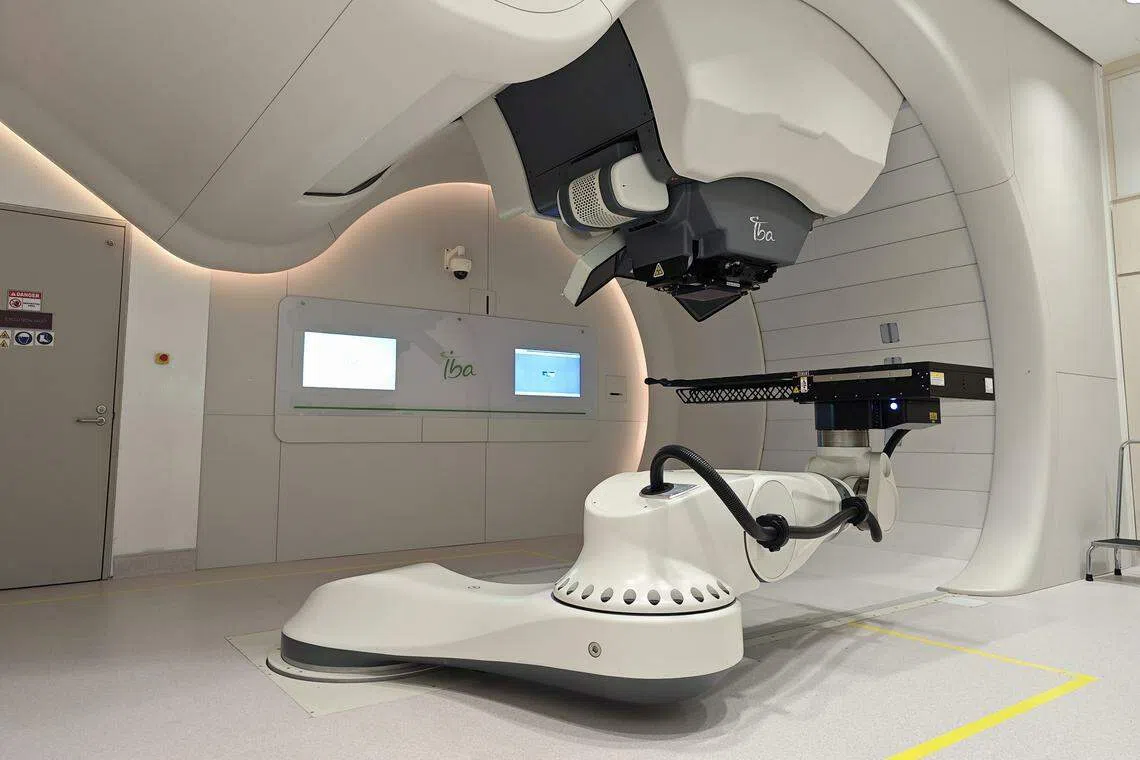
Dr Nair said that the Singapore market has higher revenue intensity because it offers complex treatments. For example, Mount Elizabeth Novena Hospital is equipped with a “full suite” of cancer treatments, including the less-common proton therapy.
However, the Singapore market’s full-year earnings before interest, taxes, depreciation and amortisation margin slid one percentage point due to the group ramping up its hiring of nurses post-Covid.
Dr Nair said nurse capacity in Singapore is now full, but also highlighted that the company would likely have to respond to the government’s payout scheme of up to S$100,000 for nurses in the public sector, in order to keep its headcount of nurses.
While there is no “specific pressure” at the moment to increase the number of nurses, he noted that this was an area the group was keeping an eye on amid a global nurse shortage.
Meanwhile, IHH in December last year received approval from the authorities in India to repatriate RM1.8 billion from Fortis’ mandatory tender offer escrow account. The sum had been held there because IHH’s bid to buy an additional stake in Fortis Healthcare has stalled.
Kadambi said a “big part” of the RM1.8 billion was used to pare down debt in December. The remaining money is sitting as cash in the bank, which can be used for its bed expansion or future acquisitions.
The amount repatriated has been replaced with a banker’s guarantee.
In response to queries on the Fortis offer, Pandit said the group remains “strongly committed” to its strategy in India, as it offers an opportunity to expand in a “sustained, profitable manner”.
As for its China operations, the group is “spending quite a bit of time on restructuring China operations”, said Nair.
The company had previously considered divesting its Shanghai business, but more recently, it said that it was planning to stay invested, with its four clinics serving as referral points to its two hospitals.
Pandit added: “The strategy in the short to medium term remains – build the clinics as a feeder to the hospitals.”
Shares of mainboard-listed IHH Healthcare were flat at S$1.77 as at the midday break.






