
Ikea’s home deliveries to be fully electric by 2025
 Add BT as a preferred source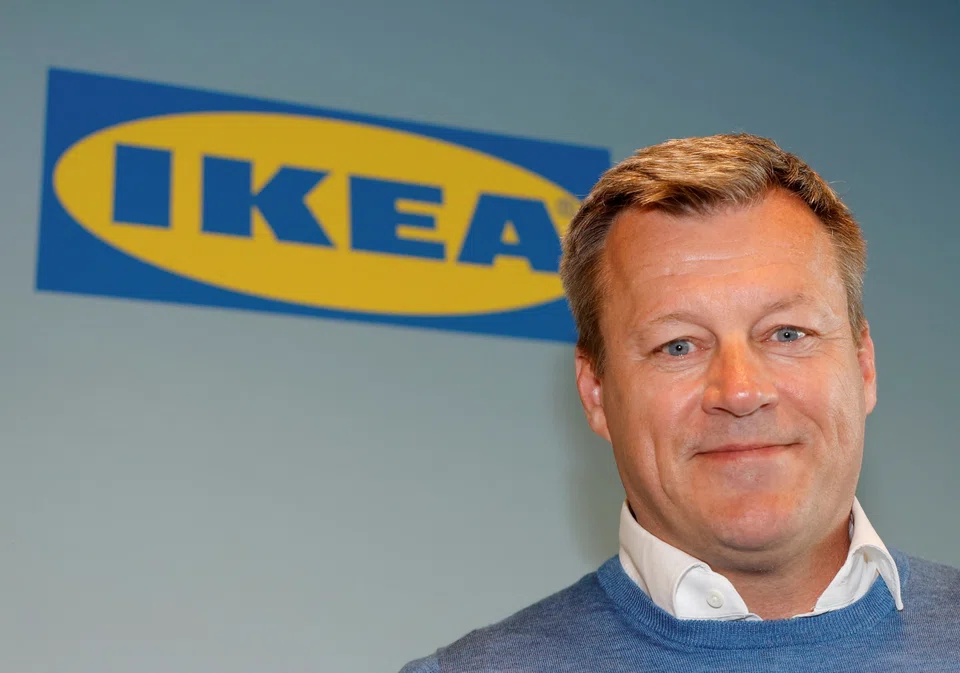
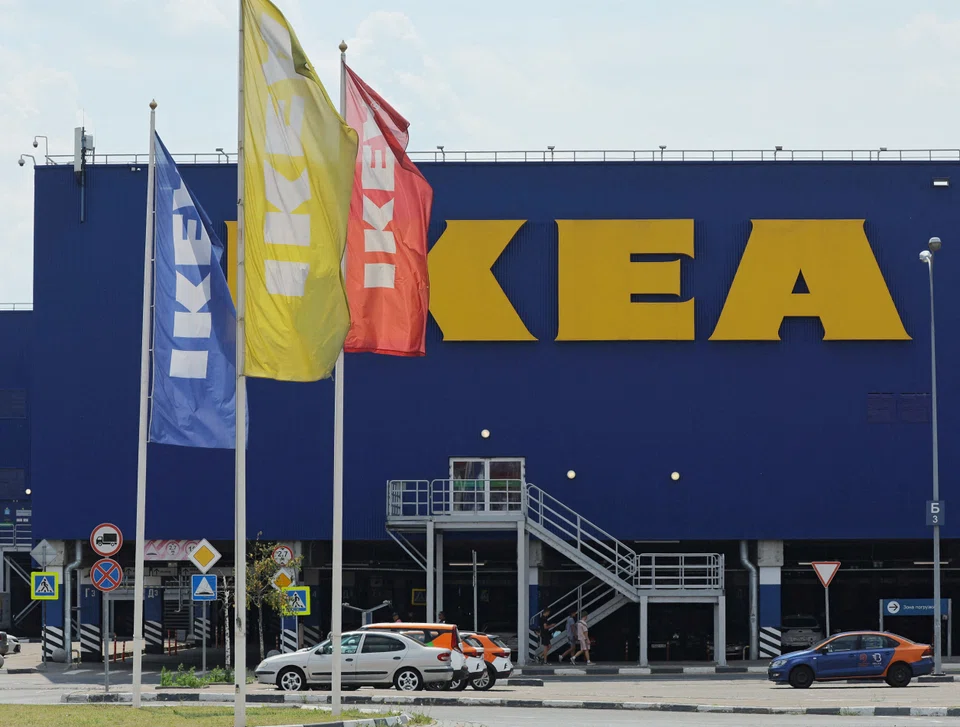
IKEA’s home deliveries will be made by electric vehicles by 2025 as part of a target by the world’s No.1 furniture brand to drastically reduce greenhouse gas emissions over the next eight years, its chief executive Jesper Brodin said on Monday (Oct 3).
In an interview at the Reuters IMPACT conference, he said some cities were already fully electric for home deliveries, and many were working hard to build the infrastructure needed.
He said there may be challenges in some places: “In some regions, maybe there will be some challenges, where we need to push a bit harder on that, but basically already by 2025, customers should be able to have their deliveries come to them using electric vehicles.”
The move is part of the company’s plan to be climate positive – to reduce more greenhouse gas than its entire value chain emits -–by 2030.
Brand owner Inter Ikea said in January that it was on track to become climate positive by 2030 as its annual carbon emissions fell 6 per cent from pre-pandemic levels despite record sales.
Ingka Group, the owner of most Ikea stores worldwide, already produces more renewable energy than it consumes, having invested around 3 billion euros (S$4.16 billion) in wind and solar projects since 2009.
Navigate Asia in
a new global order
Get the insights delivered to your inbox.
It plans to reach 6.5 billion euros in investments by 2030 as part of efforts to increase the use of renewable energy across its supply chain. It owns 575 wind turbines, 20 solar parks, and 935,000 solar panels on the roofs of Ikea stores and warehouses.
Brodin said companies, particularly in Europe, have had to become more agile as the energy crisis has deepened, and that was likely to speed up society’s transition to cleaner energy, but he forecast the next two years would be “challenging” for households.
To help with that, Ikea plans to launch a campaign to raise awareness on how households can cut energy use – from using LED lighting to solar heat pumps – and to sell low-cost energy-saving products. REUTERS
Decoding Asia newsletter: your guide to navigating Asia in a new global order. Sign up here to get Decoding Asia newsletter. Delivered to your inbox. Free.
Share with us your feedback on BT's products and services

