

Inchcape eyes deals with big Chinese automakers to drive Apac ‘growth engine’
Major acquisitions in Indonesia and the Philippines will also drive the car distribution company’s revenue

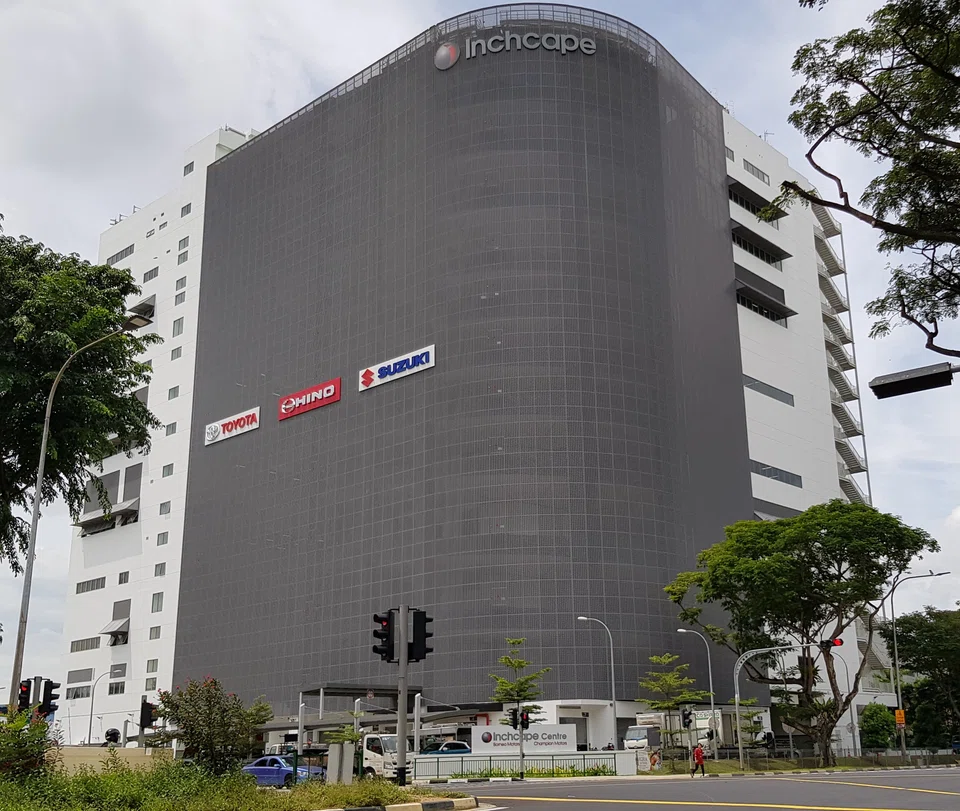
AUTOMOTIVE distribution giant Inchcape is looking to expand its footprint in the Asia-Pacific (Apac) region, as it rides on major acquisitions made in 2023 that are already contributing to its topline.
Apac is the “growth engine of the world, and it will also be the growth engine of Inchcape”, the company’s regional chief executive officer Ruslan Kinebas told The Business Times.
It also intends to ride the electric vehicle (EV) wave as it aims to maintain its growth by signing more partnerships with major Chinese automakers.
The approach should help jolt its performance in the Apac region.
According to the Economist Intelligence Unit, the region is poised to lead global EV growth, and this is where Chinese automakers look to be dominant in the next few years.
Distribution centre
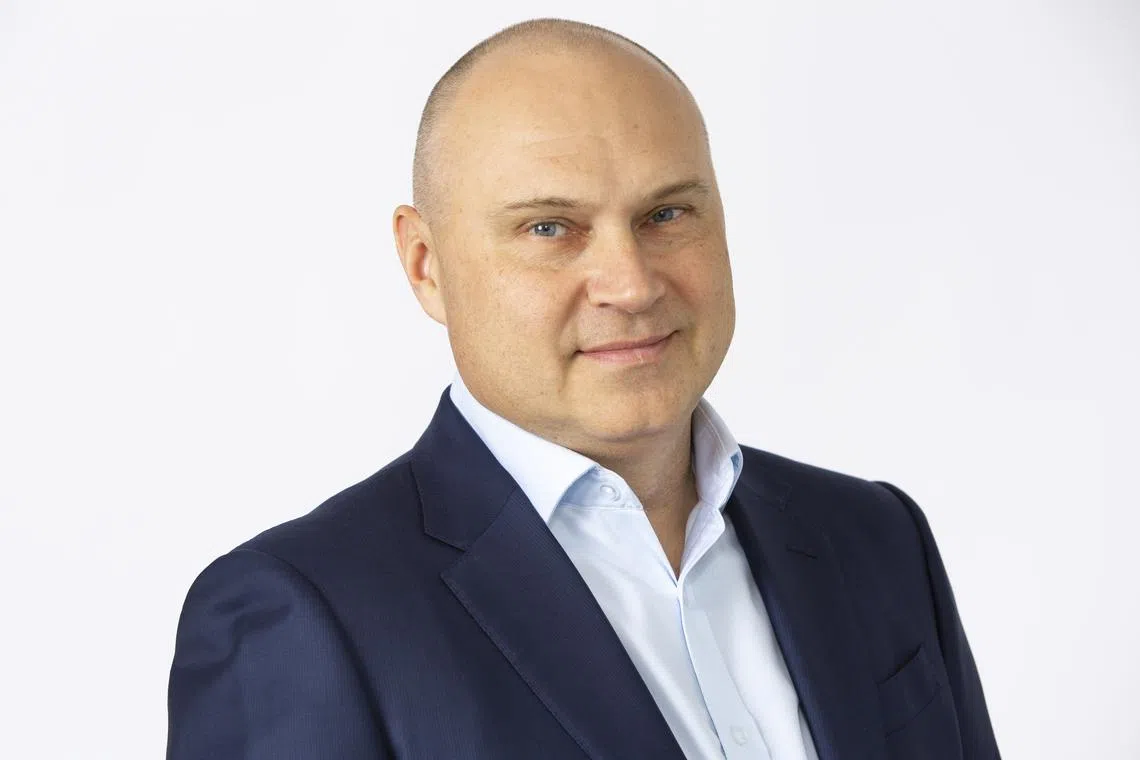
In Singapore, London Stock Exchange-listed Inchcape is known best as the dealer and distributor for Toyota, Lexus, Suzuki and Hino, but this is the exception for a market that is “geographically compact”, said Kinebas.
Inchcape is the largest independent auto distributor in the world, meaning it is not owned by an automaker.
Present in more than 40 markets around the world, with 11 markets in Asia including Australia, Hong Kong and Singapore, it has around 2 per cent of the global auto distribution market.
Explaining that its business model is about distribution rather than pure retail, Kinebas said: “We represent and manage brands in the market, and we accelerate the performance of our original equipment manufacturer (OEM) partners.”
Revenue for its financial year ended December 2023 was £11.4 billion (S$19.6 billion), an increase of 41 per cent compared with the previous corresponding period. Profit before tax was £502 million, up 35 per cent.
This was largely due to organic growth in its automotive distribution business around the world.
“More than 90 per cent of our profits come from the distribution business, globally, so we have no direct competition,” added Kinebas.
Other automotive groups in the region rival Inchcape in the distribution arena, such as Tan Chong International and Jardine Cycle & Carriage , but a large proportion of their businesses is retail.
Inchcape CEO Duncan Tait said in an earnings briefing in March this year that the company enjoys a “relatively high return and cash generative dynamics and lower capital intensity of distribution compared to a retail-only model”.
Chinese dream
The company’s draw, in Tait’s words, comes from its ability to help manufacturers reduce the cost and complexity of accessing smaller markets.
“We build brands and create and manage the digital and physical network, decide which vehicle models and parts to order, develop pricing structures and arrange importation,” he said.
That is exactly what Chinese brands need now.
With China’s reopening now in full swing, Chinese automotive OEMs have been on an expansion drive in the region, fuelled by their competitive low prices and high level of technology.
Now the race is on to tie down Chinese OEMs in the various markets in the region, but the choice of distributor is also important.
China’s auto industry is intensely competitive, with hundreds of EV brands extant, and analysts have said that many will not survive the ongoing price war.
While it is now the largest car and EV market in the world, the export market is where even bigger profits can be made.
“We are looking for more opportunities with Chinese manufacturers…we’re talking with the leading players in the Chinese market, the biggest operators,” said Kinebas.
He declined to go into specifics, citing ongoing negotiations, but said that Inchcape has had plenty of experience and ties with Chinese OEMs.
In recent years, it has been steadily adding Chinese brands to its portfolio: Maxus in Hong Kong, Great Wall in Indonesia (including assembly), SAIC in New Zealand, Changan in The Philippines, and BYD commercial trucks in Singapore.
In 2021, Inchcape and Geely signed a strategic partnership, including a statement of cooperation to jointly develop the Chilean market, and in 2023, it signed a strategic partnership with Great Wall Motors.
Apac punch
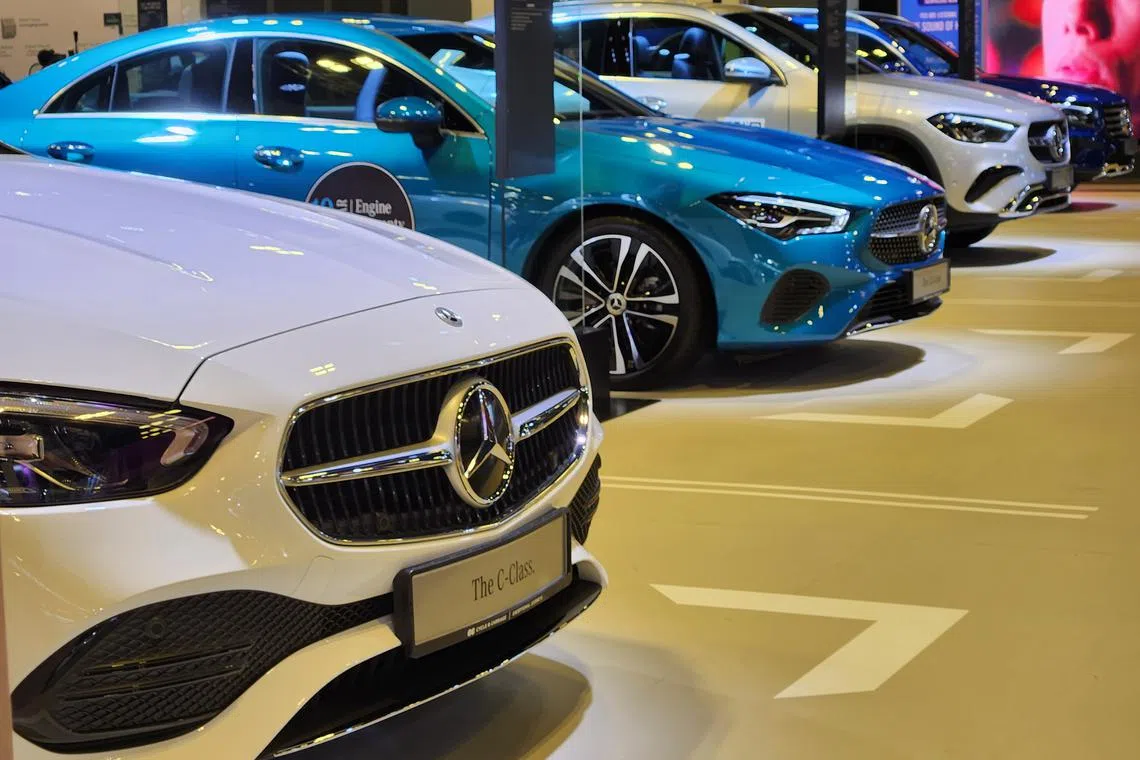
Apac contributes around one-quarter of the group’s revenue, or £2.8 billion, a 16 per cent increase year on year.
Inchcape’s major Apac acquisitions in the second half of 2023 put fuel in the tank to back up Kinebas’ assertions about its regional potential.
In August 2023, it acquired the majority share of CATS, a distributor of luxury automobiles in the Philippines, for £54 million, and gained distributorship of eight car brands there.
In October 2023, it acquired the majority stake in Mercedes-Benz’s assembly and distribution operations for Indonesia through a joint venture with Indomobil Sukses Internasional, for £86 million.
Kinebas said the Indonesia acquisition was a strong example of what Inchcape is able to offer carmakers.
“Literally, as we were closing those acquisitions like Mercedes-Benz in Indonesia, we were able to sign a global cooperation agreement with Great Wall, and they gave us distribution rights for the (Indonesian) market,” he said.
Kinebas said he sees global growth moderating in 2024, as the industry is not immune to general macro trends.
For instance, in March, Inchcape’s shares fell more than 10 per cent after the company issued a warning on demand in Americas markets forecasting record lows.
But unlike other regions, such as Europe with now muted consumer demand, Inchcape’s forecast for Apac sees growth in many markets and more contributions from its acquisitions.
“I can tell you that we will continue to grow (in Apac), and we have a lot of opportunities to grow organically, but also I’m pretty certain that we will have more inorganic growth opportunities this year,” said Kinebas.
TRENDING NOW

Once staunchly pro-China, Malaysian Chinese businesses are now distancing themselves from Beijing

Stocks to watch: HPL, Aims Apac Reit, Zico, Advanced Systems Automation, ComfortDelGro
‘How many will survive?’: Bubble fears arise as China’s humanoid robotics face reality check
Smaller board lots can’t fix a market run by three banks

