India's biggest IPO Paytm slumps by 27% on market debut
 Add BT as a preferred source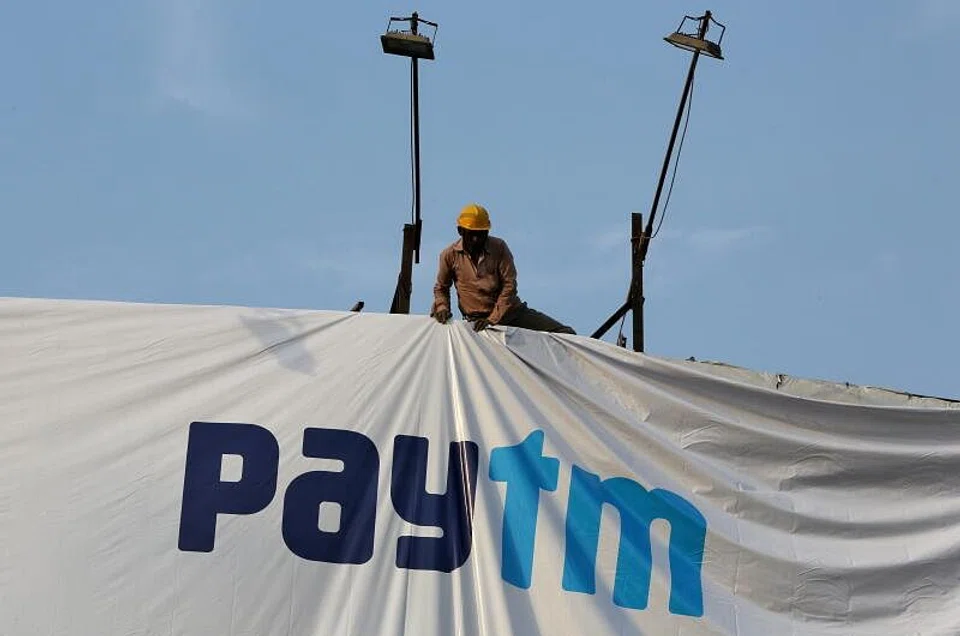
DeeperDive is a beta AI feature. Refer to full articles for the facts.
[MUMBAI] Indian mobile payments giant Paytm lost more than a quarter of its value on its market debut on Thursday (Nov 18) after raising US$2.5 billion in the country's biggest initial public offering (IPO), as traders questioned whether the loss-making firm would ever turn a profit.
Asia's third-largest economy has been in the grip of an IPO frenzy, with startups attracting billions of dollars in investment in a bright spot in the Covid-battered economy.
But while Paytm has established a leading position in the fast-growing marketplace for mobile payments, it has lost money in each of the past 3 years; and its market debut showed the limits of investor appetite.
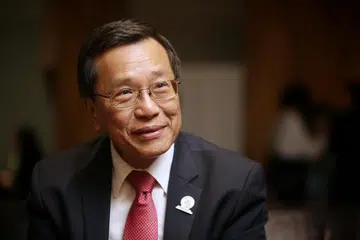
Founder Vijay Shekhar Sharma, once named India's youngest billionaire, wiped tears from his eyes when the national anthem was played at an opening ceremony before trading began at the Bombay Stock Exchange.
Referring to the phrase in the anthem "Bharat bhagya vidhata" - "the one who will define the fortune of this country" - he said Paytm has "actually done that".
But the company's shares dived at the open and finished at 1,650 rupees (S$30.18), down more than 27 per cent from their IPO price of 2,150 rupees.
Navigate Asia in
a new global order
Get the insights delivered to your inbox.
"There is a lot of euphoria for the digital space, and that seems to now be subsiding," said SMC Global Securities analyst Saurabh Jain. "These companies are coming out with IPOs at scorching valuations, and it's anybody's guess what valuations are correct.
"It is very difficult for a company like Paytm to turn profitable. They have the scalability but they are not able to make money through their business model."
Following the debut, Paytm's market capitalisation fell from an IPO valuation of US$20 billion to about US$13.6 billion at the close of trade.
Rakesh Mehta, a 49-year-old Kolkata-based rice exporter, said he had bought 12 shares worth 25,800 rupees in Paytm, encouraged by Sharma's bullishness about his firm.
"I was shocked to see the price when it opened. I didn't get much of a chance to sell," Mehta said. "I was planning to sell 50 per cent for listing gains and hold the rest. Now I have no choice but to hold on. If it goes anywhere close to my purchase price, I will definitely sell. I wouldn't want to risk holding it further."
Sharma - a schoolteacher's son who says he learned English by listening to rock music - retains a 14 percent stake in the business, worth US$2.4 billion at the IPO price but approximately US$540 million less by the close of trade.
Other shareholders include Chinese tycoon Jack Ma's Alibaba group and associate Ant Financial, along with Japan's SoftBank and Warren Buffett's Berkshire Hathaway.
Ant Financial sold 3.5 per cent of its 28 per cent stake in the IPO to meet regulatory requirements that no shareholder should own more than 25 per cent of a listed company. Alibaba continues to own another 6 per cent.
Paytm's platform was launched in 2010, and quickly became synonymous with digital payments in a country traditionally dominated by cash transactions.
It has benefited from the government's efforts to curb the use of cash - including the demonetisation of nearly all banknotes in circulation 5 years ago - and most recently, from the pandemic.
Nearly 22 million Indian shop owners, taxi and rickshaw drivers and other vendors accept payments as low as 10 rupees using Paytm's ubiquitous blue-and-white QR code stickers.
The platform had 337 million customers at the end of June, according to the company's regulatory filing. In 2020-21, it handled transactions worth more than US$54 billion.
Apart from Paytm, Indian companies have raised a record US$10.5 billion through IPOs in 2021 so far, including beauty retailer Nykaa, which doubled on its debut last week.
AFP
Decoding Asia newsletter: your guide to navigating Asia in a new global order. Sign up here to get Decoding Asia newsletter. Delivered to your inbox. Free.
Share with us your feedback on BT's products and services