

Investor pressure is speeding the arrival of electric vehicles
Even as petrol-powered models rake in the cash, shareholders will reward spending on the future rather than a soon-to-be-dying business.
 Add BT as a preferred source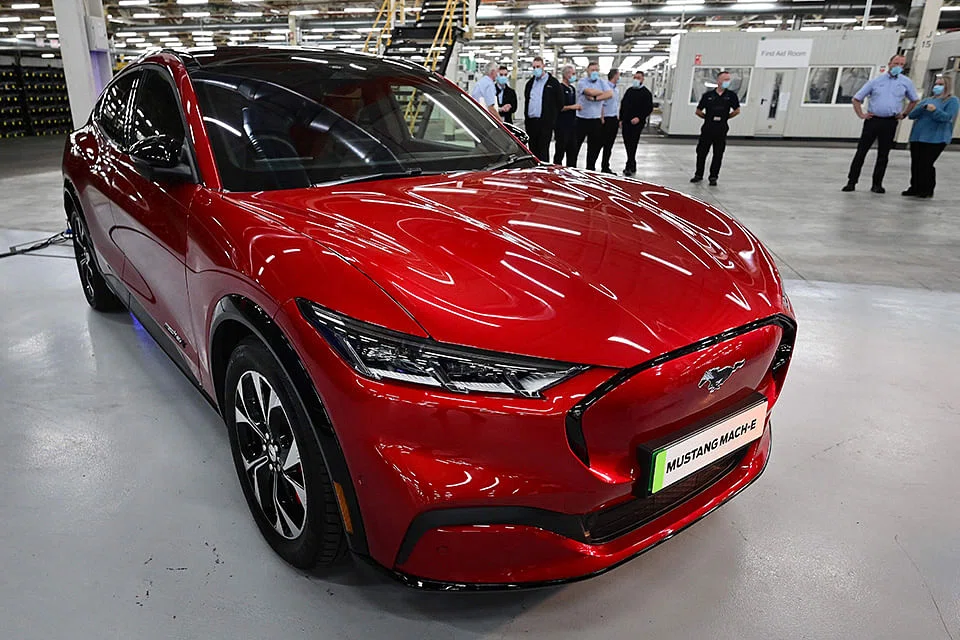
DeeperDive is a beta AI feature. Refer to full articles for the facts.
AS the automobile industry evolves toward an electric future, incentives will be a big driver of the transition - not just potential tax credits to accelerate demand, but investor behaviour that helps shift automakers' priorities.
Manufacturers are going to try to ramp up spending on future electric models while maintaining profit at a level acceptable to their shareholders. That will inevitably lead to fewer dollars spent on their petrol-powered models, and eventually product stagnation in that segment. Businesses can have a dominant market share but still be starved of capital when they're seen to be in secular decline. Just look at the list of brick-and-mortar retailers that have traded at distressed valuations despite sizeable revenue bases.
Retailer Toys "R" Us Inc is a good example of how secular decline affects investor behaviour. Revenues stagnated as competition grew from e-commerce companies such as Amazon.com and larger, more diversified stores such as Walmart and Target. Toys "R" Us's valuation declined, making the stock compelling to opportunistic investors like private-equity firms. But after one of those investors took control, the focus shifted to cost-cutting and taking on debt to milk the company for whatever profit could be harvested before its decline accelerated.
By failing to invest in the future of the business, the decline happened faster than it might have otherwise. The ending might have been the same either way, but profit generation in a declining industry tends to bring about a different kind of investor behaviour than when there's more hope for the future. We've seen this recently with activist investors pushing oil and natural gas firms to focus on near-term profits rather than invest in developing new wells.
That brings us to Ford Motor, which reported earnings last week and gave an update on its Ford+ plan that aims to usher the company into its electric future. Out of US$40 to US$45 billion in capital spending planned between 2020 and 2025, one third is earmarked for electric vehicles[EV'S] (EVs), a percentage that probably will continue to grow.
Boosting investment
Navigate Asia in
a new global order
Get the insights delivered to your inbox.
Meanwhile, Ford has a company goal of achieving an 8 per cent adjusted Ebit (earnings before interest and taxes) margin in 2023. In other words, they believe they can walk and chew gum at the same time, boosting investment in an electric future while delivering acceptable profit margins to investors. But how?
It starts by shifting production of petrol-powered vehicles from lower-margin sedans to higher-margin trucks and SUVs like the revamped Ford Bronco, a shift that's been underway for some time. That sounds great for now - the billions of dollars needed to develop and produce current models was already spent over the past several years.
But will automakers continue investing billions of dollars in internal combustion engine vehicles that they expect to lose market share and sales in the years to come?
That's why it was noteworthy that Ford CEO Jim Farley talked about running the petrol-vehicle business "for cash" in last week's earnings call. Automakers are probably hoping that the billions of dollars previously invested in vehicle development is enough to power profits in the segment over the next several years, even if the resources put into those vehicles shrink as companies and customers shift their focus to EVs.
Eventually, maybe towards the end of the decade, EVs will become the new profit centre as sales from older petrol models fade away. Remember how Netflix funded its new streaming business with profit from its old DVD-by-mail business?
If Tesla investors are any indication, it might not be long before the stocks of companies like Ford and General Motors are evaluated almost entirely on their progress with electrics. We've seen this sort of thing happen with Disney's stock responding more to Disney+ subscriber numbers than its legacy businesses.
Once that investor shift happens, it's going to be tempting to keep moving resources to EV development even if it shortchanges the core money-making side of the business. We're already seeing signs it's in progress: investors have rewarded Ford's EV plan with a 2-month long stock rally, and after Hertz Global Holdings saw its stock jump after it said it would buy 100,000 cars from Tesla, Avis Budget Group shares soared 108 per cent on Tuesday (Nov 2) to the highest level ever just on the CEO's promise to play a big role in the adoption of EVs.
This has been an exciting year with automakers fully committing to move major investment dollars to EVs, with aggressive goals for future production and sales. But even they might not appreciate the extent to which investors are going to push them to accelerate their timelines, even if it means starving the business lines that currently provide the bulk of their profits. BLOOMBERG
Decoding Asia newsletter: your guide to navigating Asia in a new global order. Sign up here to get Decoding Asia newsletter. Delivered to your inbox. Free.
Share with us your feedback on BT's products and services
TRENDING NOW

Air India asks Tata, Singapore Airlines for funds after US$2.4 billion loss

Beijing’s calculated silence on the Iran war

China pips the US if Asean is forced to choose, but analysts warn against reading it like a sports result

Richard Eu on how core values, customers keep Singapore’s TCM chain Eu Yan Sang relevant

