

Japan’s crypto exchanges are pushing for looser margin trading rules to help the sector grow
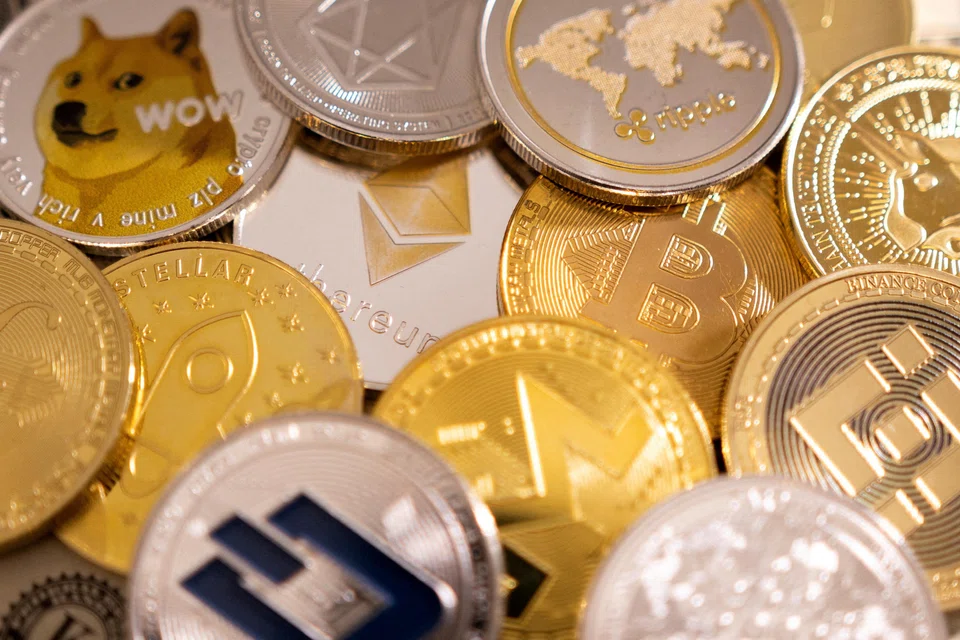
JAPAN’S crypto exchanges are pushing for a relaxation of curbs on margin trading, unbowed by last year’s global digital-asset market crash.
Many people in the industry want permitted leverage for retail investors of four to 10 times whereas currently customers can at most double exposure via borrowing, according to the Japan Virtual & Crypto Assets Exchange Association.
“Reforming the leverage rule could make Japan more attractive for crypto and blockchain companies,” the association’s vice chairman Genki Oda said in an interview, adding that the step would encourage more trading.
The nation’s digital-asset exchanges are in talks to reach a consensus on a recommended leverage limit and may take their proposal to the Financial Services Agency (FSA) as soon as next month, Oda said.
Japan has moved towards easing some crypto rules, such as on token listing and taxation, but overall is viewed as having strict regulations. That focus on investor protection enabled the Japanese arm of failed exchange FTX to return money to clients earlier this year even as the group’s US bankruptcy drags on.
An FSA official said crypto firms must present convincing reasons why loosening margin trading caps will help the government achieve its goal of expanding blockchain-based industries. The agency is open to discussing the issue with digital-asset businesses, the official added.
Volumes sank
Japanese crypto platforms used to offer as much as 25 times leverage, spurring annual margin trading volumes of about US$500 billion in 2020 and 2021. But those volumes shrank 75 per cent by 2022 after the FSA rolled out a limit of two times to curb excessive speculation and shield investors from the risk of amplified losses.
Depending on local rules, digital-asset exchanges elsewhere in the world often offer spot margin trading of between five and 10 times initial deposits. Some platforms provide more aggressive lending, emblematic of the avaricious speculation that can send waves of greed and fear across crypto.
Oda said digital-asset volatility has cooled since 2020 and that Japanese exchanges are well-equipped to help investors manage the risks that come with margin trading positions. Any easing of leverage rules is unlikely until 2024 at the earliest, he said.


Last year’s global crypto rout exposed risky practises and led to a spate of bankruptcies. Regulators have responded by implementing new rulebooks that reflect those lessons. Some jurisdictions like Hong Kong and Dubai are seeking to woo digital-asset firms, while the US has cracked down on the sector.
An index of the largest 100 crypto coins has rebounded 33 per cent so far this year, partially recovering from the painful tumult of 2022. Some institutional and individual investors have exited the market, depressing liquidity as well as a gauge of expected swings in the price of Bitcoin. BLOOMBERG
Decoding Asia newsletter: your guide to navigating Asia in a new global order. Sign up here to get Decoding Asia newsletter. Delivered to your inbox. Free.
Share with us your feedback on BT's products and services
TRENDING NOW

Olivia Lum, ex-CFO not giving evidence in their Hyflux trial

Bank on AI-resilient Singapore property via deep-value listed property groups

Positive pivot or premature? Analysts split on Keppel Reit’s S$610.9 million buy

Once staunchly pro-China, Malaysian Chinese businesses are now distancing themselves from Beijing

