Japan’s ‘name-and-shame’ fix for listco valuation is short-term, may not work in Singapore
Navene Elangovan
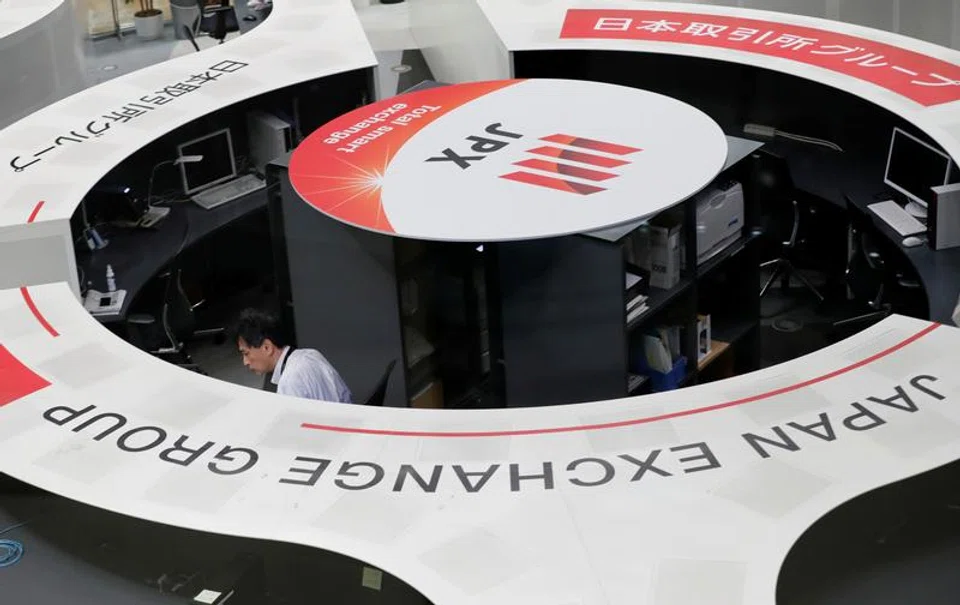
THE move by Japan Exchange Group (JPX) to “name and shame” listed companies into improving their corporate valuation is laudable, but market watchers said it may only lead to short-term gains.
Singapore, which is also struggling with weak stock market valuations, would be better off working to educate companies on how to boost their valuations, and attracting better-quality companies to list, they said.
JPX, which controls the Tokyo and Osaka exchanges, will in January begin publishing a monthly list of companies that are making an effort to lift their valuations.
This “name-and-shame” approach is expected to “peer pressure or nudge” companies to improve their valuations, said JPX chief executive Hiromi Yamaji in an interview with the Financial Times last week.
Market watchers said the move by JPX is novel, but could result in companies taking short-term efforts to boost corporate valuations instead.
Emily Badger, portfolio manager at investment management company Man GLG, said JPX’s approach will lead many listed companies to make “meaningful efforts” to improve their return on equity and share-price performance.
Corporates will also try to improve shareholder value, she added.
“This means we should start to see higher dividends, more share buybacks and more break-ups of the sprawling conglomerates that are common in Japan,” said Badger.
Such efforts, however, would only provide a “short-term boost” to company valuations, said Mak Yuen Teen, professor of accounting at the National University of Singapore Business School.
JPX’s approach may not lead to fundamental changes in business strategies, changes in management and improvements in governance, he added.
Lim Choon Siong, research analyst from wealth advisory firm Providend, said JPX’s proposed approach could create more transparency in compliance, leading to improved investor confidence in the Japanese market.
“However, there might be concerns about public shaming, potentially leading to companies taking short-term measures to boost their appearance rather than making sustainable improvements,” said Lim.
A similar move in Singapore would not be as effective due to cultural differences.
Pointing out how Japanese executives often apologise and resign over mistakes, Mak said shame is “a pretty powerful weapon” in Japanese culture – making a monthly compliance list a powerful form of peer pressure.
The Singapore market, on the other hand, suffers from a loss of investor confidence.
Investors are therefore likely to be sceptical about commitments to increase corporate value, making “naming and shaming” a less effective method here, he added.
There is also a higher concentration of ownership in companies here than in Japan. This could mean companies are more interested in increasing value to controlling shareholders, such as through excessive remuneration, rather than boosting their corporate value, said Mak.
Robson Lee, a partner at Kennedys Legal Solutions, noted that Singapore Exchange (SGX) does have a watch list for companies that do not meet certain criteria.
Publicly singling out underperforming companies on a watch list is a better way to nudge poor performers to improve, without encouraging them to take short-term efforts to boost their valuation, said Lee.
SGX Regulation (RegCo) declined to comment, but referred The Business Times to its Fast Track programme, which affirms listed issuers that have been publicly recognised for high corporate governance standards and maintained a good compliance track record. These issuers can receive prioritised clearance for their corporate action submissions to SGX RegCo.
Market watchers also offered several other suggestions on how to improve the corporate valuations of companies on the local bourse.
These include attracting better-quality companies to list, educating companies on how to improve their valuations, and investing in research to address the perception that SGX-listed companies suffer from poor valuation and low liquidity.