

Jardine Cycle & Carriage reports improved H1 2022 on stronger Astra and THACO earnings

Benjamin Cher
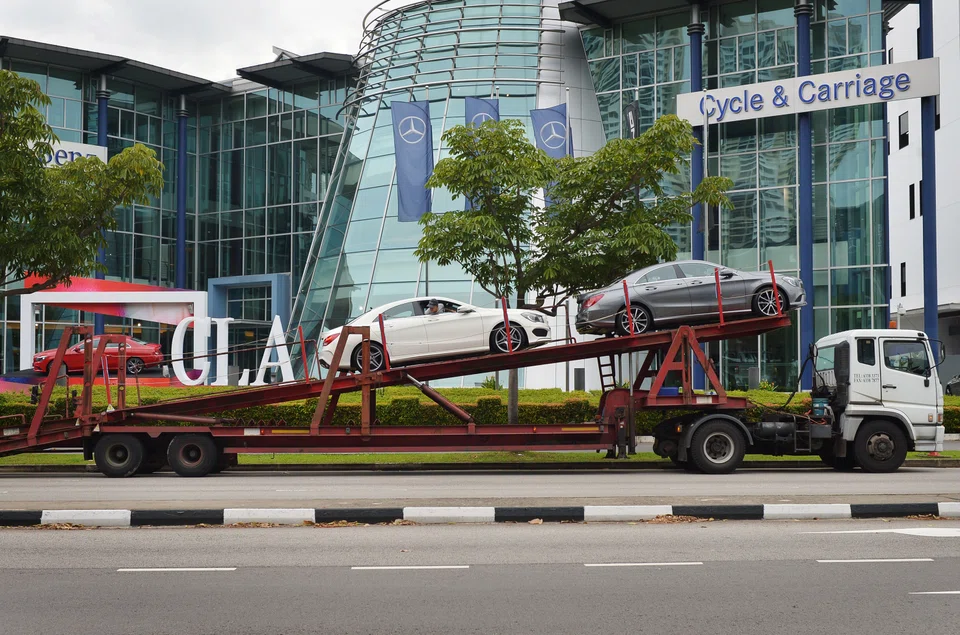
JARDINE Cycle & Carriage (Jardine C&C) has reported an improved H1 2022 underlying profit attributable to shareholders of US$522 million, a 51 per cent increase from US$346 million in H1 2021.
The directors of Jardine C&C have also declared an interim dividend of US$0.28 per share for H1 2022.
Revenue for the period rose 29 per cent to US$10.7 billion from US$8.2 billion. Earnings for H1 2022 surged 115 per cent to US$487 million from US$226 million on higher contributions from its subsidiaries, Astra and THACO. Astra is an Indonesian conglomerate; THACO manufactures, assembles, distributes and sells automotives in Vietnam.
Astra contributed US$465 million to H1 2022 underlying profit, up 58 per cent from US$293 million in H1 2021. This was driven by a stronger performance from all its businesses, and particularly its automotive, financial services, heavy equipment and mining operations.
THACO contributed US$52 million in H1 2022, up 43 per cent from US$37 million in H1 2021. This was driven by a strong automotive performance supported by a temporary reduction in registration fees for locally-assembled vehicles. The business unit’s automotive unit sales were up 54 per cent, with an increased market share of 29 per cent in H1 2022 from 22 per cent in H1 2021.
The group expects results in the second half of the year to remain strong, although it remains cautious as a result of global economic challenges, ongoing geopolitical developments and the continuing impact of the pandemic, said Ben Keswick, chairman of Jardine Matheson.
Decoding Asia newsletter: your guide to navigating Asia in a new global order. Sign up here to get Decoding Asia newsletter. Delivered to your inbox. Free.
Copyright SPH Media. All rights reserved.
TRENDING NOW
‘We don’t want to stay as we are’: CEO Patrick Ng builds a more resilient Huationg
URA to review guidelines on floor space to give developers more design flexibility: Chee Hong Tat

He built the Vingroup empire. Now South-east Asia’s richest man is handing some key roles to his sons
32 companies, 6 individuals bag accolades at Singapore Corporate Awards 2026

