JPMorgan strategists cut S&P 500 target on Iran war uncertainty
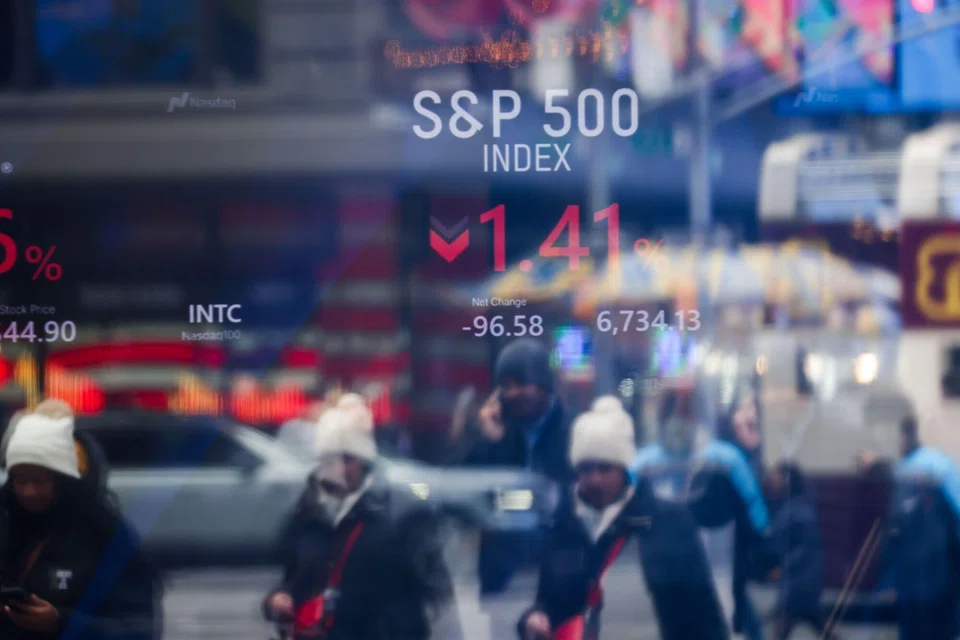
[NEW YORK] JPMorgan strategists cut their price target on the S&P 500 index, saying the upside potential for risk assets is “more constrained” by a war in the Middle East.
Strategists led by Fabio Bassi slashed their year-end estimate to 7,200 points from 7,500, citing a supply shock stemming from the interruption of oil flows through the Strait of Hormuz that threatens to crimp corporate profits and economic growth.
“Geopolitical concerns and higher energy prices for longer will drag global growth lower and inflation higher,” Bassi wrote in a note to clients published on Friday (Mar 20).
“We recommend investors to stay invested with downside hedges in equities, and we hold to these hedges given the modest correction year to date.”
Equity markets have been stress-tested since the conflict in the Middle East broke out on Feb 28. The S&P 500 fell 1.5 per cent on Friday to 6,506.48, the lowest level in six months, and notched its fourth straight week of declines, the longest losing streak in more than a year.
The firm’s new target still implies an 11 per cent gain for the S&P 500 between Friday’s close and the year-end.

Hostilities between Iran and the US have added a new stress point to the market, which is already dealing with other headwinds, including fear of disruption from artificial intelligence and private-credit writedowns. The surging oil prices threaten earnings growth, Bassi said.
“On earnings, US$110 oil through year-end implies a 2 to 5 per cent trim to S&P 500 consensus EPS (earnings per share), with more pronounced pressure if crude grinds higher,” Bassi added. “The near-term equity risk is more about multiple compression as investors reassess growth and liquidity than a deep earnings recession.”
Earlier this week, JPMorgan strategists said investors were failing to price the potential economic damage from soaring energy prices and other strains caused by a prolonged shutdown of the Strait of Hormuz, even though four out of five oil shocks since the 1970s have led to a recession. BLOOMBERG
Decoding Asia newsletter: your guide to navigating Asia in a new global order. Sign up here to get Decoding Asia newsletter. Delivered to your inbox. Free.
Share with us your feedback on BT's products and services