Kore US Reit Q1 distributable income rises 4.3% on higher adjusted NPI
The improvement is mainly due to higher one-off other operating income and cash rental income

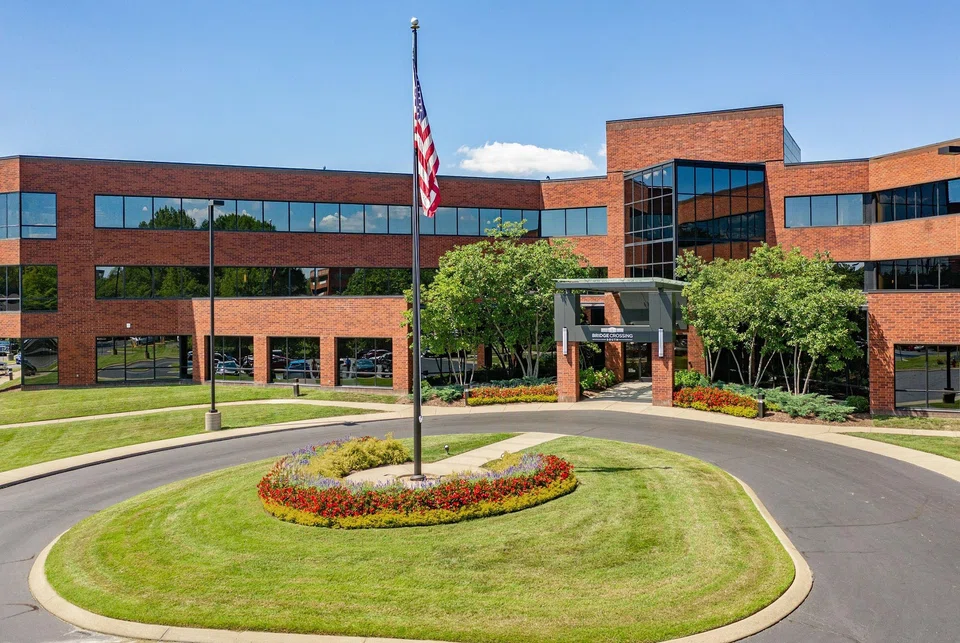
[SINGAPORE] The manager of Kore US Reit on Friday (Apr 17) posted a distributable income of US$10 million for its first quarter ended March, up 4.3 per cent from US$9.6 million in the year-ago period.
The improvement came as the US office-focused real estate investment trust (Reit) recorded a 13.6 per cent year-on-year increase in net property income (NPI) to US$22.3 million from US$19.7 million.
Its adjusted NPI, which excludes non-cash straight-line rent, lease incentives and amortisation of leasing commissions, rose 15.9 per cent to US$23.4 million from US$20.2 million in Q1 2025.
The increase in adjusted NPI was mainly due to higher one-off other operating income, cash rental income and lower other property expenses, but was partially offset by higher repair and maintenance as well as utilities expenses.
Finance and other trust expenses rose 10 per cent to US$8.7 million from US$7.9 million, which the manager attributed mainly to higher finance costs.
Revenue for the quarter climbed 5.1 per cent on the year to US$38.7 million from US$36.9 million.
Its aggregate leverage stood at 43.7 per cent and its average cost of debt was 4.73 per cent per annum.
The Reit’s interest coverage ratio was 2.5 times, with a weighted average term to maturity of 1.9 years.
With a portfolio net lettable area of 58,157 square feet, of which 1.2 per cent accounted for executed leases, Kore US Reit posted a committed portfolio occupancy of 85.1 per cent, with a built-in portfolio average rental escalation of 2.4 per cent.
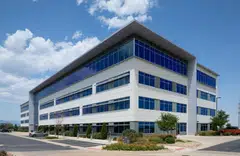
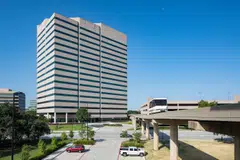
Its positive rental reversion of 0.8 per cent was driven by leases renewed at One Twenty Five, but partially offset by leases with lower tenant incentives at 1800 West Loop South.
The manager noted “steady leasing momentum” for Q1, with 58 per cent of leases signed being new ones.
Leasing demand for the quarter was driven largely by finance and insurance as well as professional services, which accounted for 38 per cent and 28 per cent of demand, respectively.
The manager noted that leasing activity reached “post-pandemic highs”, with Q1 2026 office leasing volumes up 25 per cent year on year and reaching their highest levels since mid-2018.
It expects leasing activity to pick up further in 2026, supported by lease expiries and constrained new supply.
Demand continues to favour “well-located, modern offices with strong amenities and flexible layouts”, said the manager.
Highlighting “active portfolio enhancements” that support sustained leasing momentum, it added that Kore’s amenitised portfolio remains “well positioned” to meet this demand.
Units of Kore ended Thursday 0.5 per cent or US$0.001 higher at US$0.191.
Decoding Asia newsletter: your guide to navigating Asia in a new global order. Sign up here to get Decoding Asia newsletter. Delivered to your inbox. Free.
Copyright SPH Media. All rights reserved.