

Keppel signs deal with EDB to build gasification plant on Jurong Island
Singapore
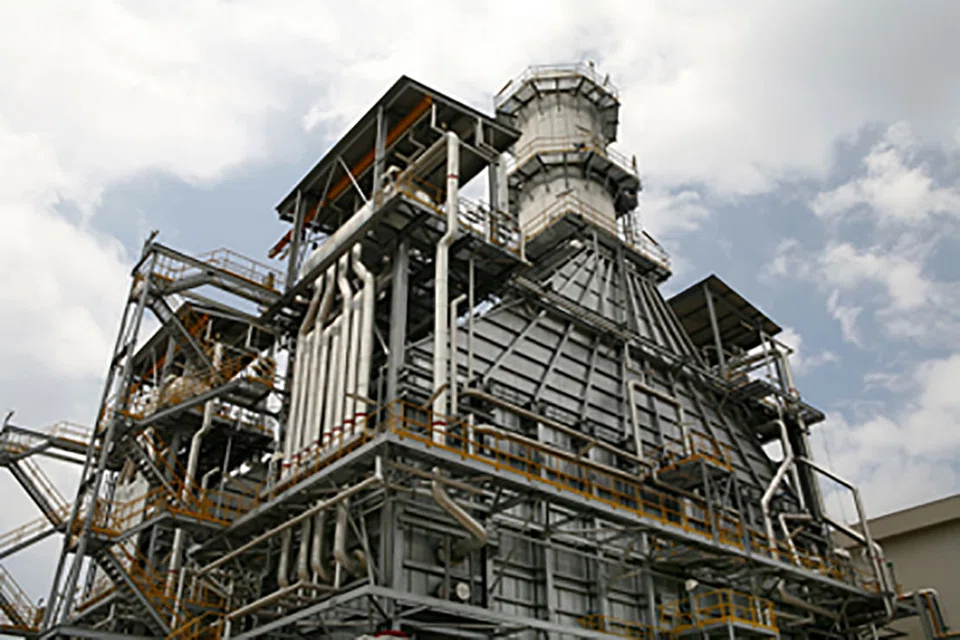
SINGAPORE is moving ahead with a gasification facility that uses coal and other feedstock on Jurong Island, some six years after it first studied the idea as part of the Jurong Island version 2.0 initiative.
Keppel Infrastructure, a division of Keppel Corporation, said in an announcement on Tuesday that it has signed an agreement with the Singapore Economic Development Board (EDB) to develop, own and operate such a facility.
The agreement marks an important step in preparation for the final investment decision which will be taken at a later date, said Keppel.
The facility will use proven and best-in-class technologies to produce hydrogen, carbon monoxide, syngas and other industrial gases from a variety of potential feedstock, including coal and refinery by-products. The gases produced will provide alternative feedstocks for petrochemical plants and refineries.
The project is part of the government's Jurong Island version 2.0 initiative which focuses on feedstock options and infrastructure developments to create new competitive advantages for Singapore's petrochemical sector. Under this initiative, EDB has worked with Vopak Terminals to develop a liquefied petroleum gas (LPG) terminal that officially opened on Jurong Island in June last year; LPG is interchangeable with naphtha as feedstock for petrochemical crackers to a certain extent.
EDB studied the feasibility of coal gasification as early as 2011, and launched a Request for Proposals in February 2012. The agreement with Keppel marks the culmination of a competitive selection process by the agency; besides Keppel Corp, industrial gas producers such as Soxal and Linde Gas were said to have been interested in the project, The Business Times reported in 2014.
BT understands that the process has taken a long time due to extensive consultations conducted with other government agencies on the environmental impact of such a facility. Keppel said in its statement that it will develop energy efficient and R&D projects to augment the facility.
The agreement comes ahead of the requirement by the International Maritime Organization (IMO) for all ships to comply with reduced sulphur emission limit by the start of 2020. As the refineries in Singapore produce low sulphur compliant fuel, there will be increased demand for hydrogen from existing and new customers, Keppel noted in its press release.
Suresh Sivanandam, senior manager of refining research for Asia-Pacific at oil consultancy Wood Mackenzie, said the latest development is catered towards meeting the demand for industrial gases in Jurong Island's next phase of growth. "Any mitigation steps refiners would need to take to meet the compliant bunker fuel based on IMO regulation would require more hydrogen," he pointed out. Linde Gas has a similar plant in Jurong Island which takes in refinery by-products to produce industrial gases, he added. Keppel's facility, in comparison, has flexibility around the feedstock.
EDB executive director of energy and chemicals Damian Chan noted that because of the integrated nature of Jurong Island, an improvement in providing an alternative supply of competitive feedstock will invariably benefit the rest of the chemicals value chain.
TRENDING NOW

Vietnam’s northern provinces, not Hanoi or Ho Chi Minh City, are powering near 10% GDP growth
VietJet hit with global asset freeze in FitzWalter dispute
Gridlock or growth? The Asean Power Grid faces a critical window of opportunity
LNG, stronger regional power links key to Asean’s energy resilience: Shell

