Keppel’s special dividend yet to include billion-dollar sale of M1
Loh Chin Hua, the asset manager’s CEO, is ‘very confident’ deal will go through despite delay

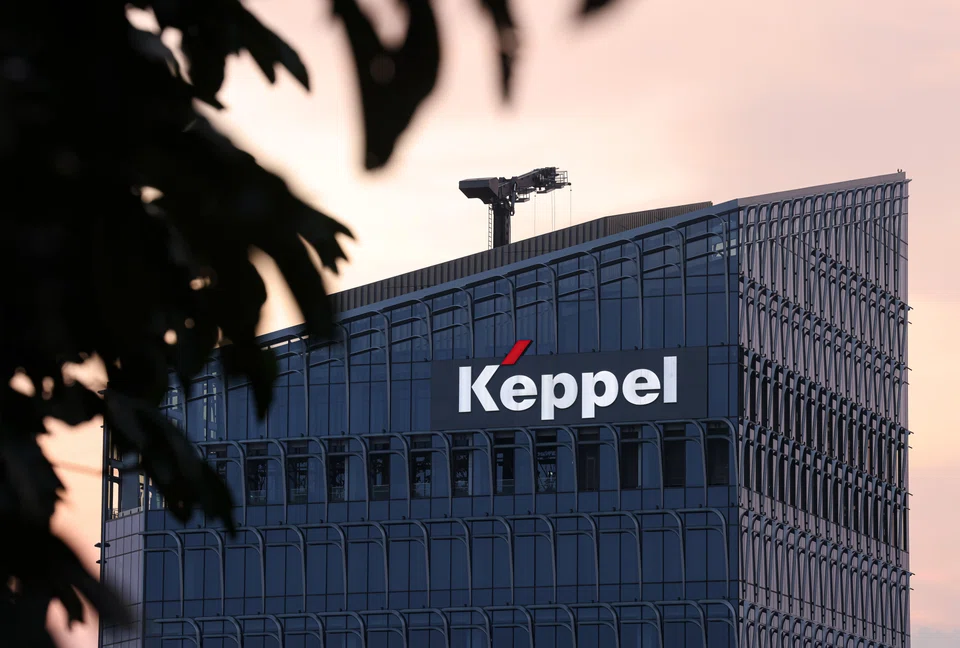
[SINGAPORE] Keppel’s proposed special dividend of S$0.13 per share helped push the company’s shares up over 6 per cent in a single day.
The special dividend, driven by Keppel’s “strong progress in asset monetisation”, is based on 15 per cent of the S$1.6 billion in gross monetisation value netted from transactions completed in FY2025.
The payout would have been higher if the sale of its majority M1 stake had been included. But the divestment to Simba Telecom at an enterprise value of S$1.43 billion, announced in 2025, has yet to be completed.
The asset manager said in August 2025 that it would receive nearly S$1 billion in cash from the sale of its 83.9 per cent interest.
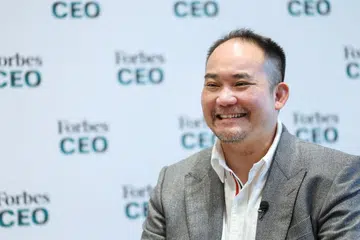
Keppel chief executive Loh Chin Hua said in the company’s latest earnings briefing that the sale has been “a bit delayed” as it is subject to regulatory approval.
“We still remain very confident that the deal will get done,” he said, adding that should the transaction be completed this year, gains from the divestment will be included in the monetisation value for 2026.
Keppel South Central
In response to Goldman Sachs’ Xuan Tan’s question on when Keppel South Central will be ready for divestment, Loh said it is “crucial” to raise occupancy rates before considering potential monetisation.
The 33-storey, Grade A commercial office tower in Tanjong Pagar with 650,000 square feet of space was completed in early 2025.
Loh declined to disclose the asset’s carrying value but noted that it is “doing well” in terms of leasing, with committed occupancy of around 50 per cent. “In order to achieve a good outcome, we will need to raise the occupancy rates.”

Louis Lim, CEO of Keppel’s real estate division, added: “People who come to the building love it. But there is still a lot of tension in the market, where people think they can negotiate better rentals.
“We are confident of the product, so we have actually held our prices. If not, it would be pretty much fully leased out.”
Based on various reports, Loh noted that “core CBD (Central Business District) office rents are actually tightening”.
“So I think getting the occupancy up is crucial; then after that, we will look at a potential monetisation.”
AI use, competition with global fund managers
On Keppel adjusting its strategy around data centre investments amid artificial intelligence (AI) bubble fears, Loh noted that AI presents “tremendous opportunities” as a “kind of macrotrend”.
Keppel’s AI journey “is still at a very early stage”, he said. “Like most companies, we started with a lot of sandboxes, maybe four or five years ago. And then in the last two years, starting from early 2024, we have started to take it very seriously.”
Beyond fund management and investment, Loh said that the company is looking to embed AI into its whole organisation and business, including in operating divisions.
“It is not just about efficiency gains; it is really about building core competencies or giving us a superpower to do better,” he said. “We become more competitive, whether we are a fund manager, operator or building infrastructure assets.”
Keppel also fielded questions on competition from other global asset managers, such as BlackRock and Global Infrastructure Partners.
Christina Tan, Keppel’s CEO of fund management and chief investment officer, stressed that the company is also an asset operator.
“Unlike the financial general partners in this world who have to go out to buy assets or look for assets, we have our operating divisions that can actually create and develop these assets,” she said. “So, for example, if we are working with our connectivity team on data centres, we are able to create the data centres right from greenfield.”
On the real estate front, Tan said that Keppel is working to provide sustainable urban solutions, greening older buildings and increasing the net operating income for such buildings to create value for investors.
In terms of infrastructure, Keppel is working on power-banking, creating more power plants, and looking at environmental, water and waste, she added.
“So we are very fortunate that we do not need to just go out competitively to look for assets and deals; we are able to source deals internally within Keppel, but also at the right price. We will always consider external deal flows when they come through.”
Decoding Asia newsletter: your guide to navigating Asia in a new global order. Sign up here to get Decoding Asia newsletter. Delivered to your inbox. Free.
Copyright SPH Media. All rights reserved.