

Lack of love for business leaders bodes well for equities
CEO celebration signals rising - even irrational - exuberance, so a paucity of lionised chiefs is a good sign that equities aren't near a euphoric top yet
WHERE have all the heroes gone? Hero CEOs, that is. Late in bull markets, investors typically christen a slew of rising corporate leaders as near-infallible. They go all in on visionaries' views of a far-flung future in which their companies dominate.
But such romantic tales are hidden warnings. CEO celebration signals rising exuberance - the kind stretching expectations to unattainable heights.
The good news? Lionised chief executives are few and far between right now - a bullish sign equities aren't near a euphoric top yet.
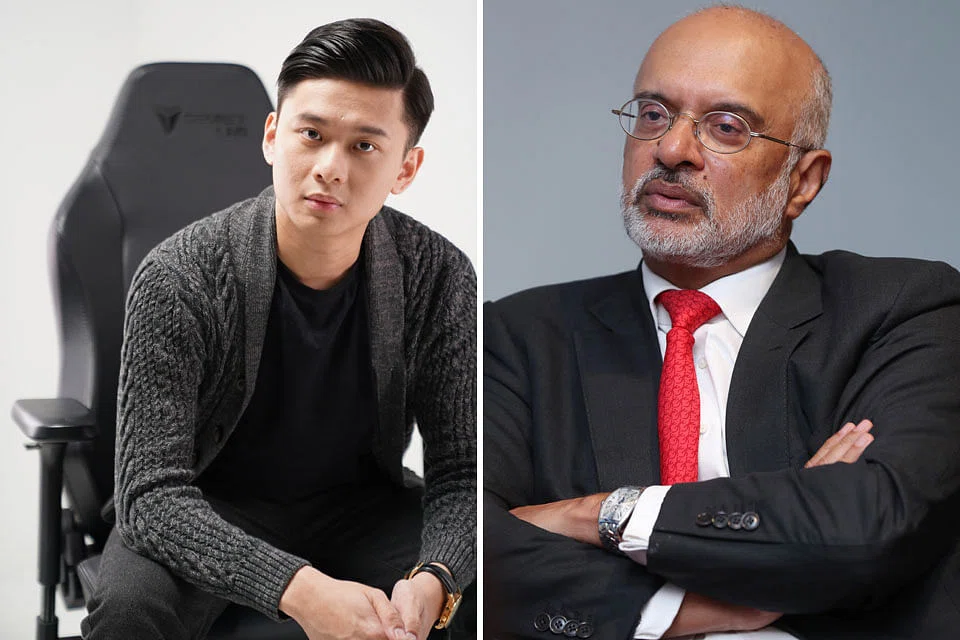
Truly visionary CEOs can juice a company's shares. Usually not old guard legends, but fresh faces overseeing surprise turnarounds. Singapore has given the world some of these fine folks. Think about Piyush Gupta. He received worldwide praise for overseeing DBS's renaissance in the 2010s. Pundits credited him with morphing a stodgy bank into a digital-finance dynamo - while DBS shares skyrocketed. From Mr Gupta's appointment in September 2009 through to Aug 27, 2021, they had climbed 279 per cent - nearly quadruple global bank shares' 74 per cent average.
Though he hasn't yet reached true hero status, Mr Gupta's tenure illustrates a key point: When a competent leader meets a good business with temporary problems, shares often shine - potentially minting a hero CEO.
But when heroes abound, it's a warning sign about potentially being in a bull market's greedy late stages.
Take the mid-1980s bull market. Hero CEOs reigned, such as Chrysler chief Lee Iacocca. The American, a son of Italian immigrants, sent shares in a bailed-out automaker skyrocketing, acquiring Lamborghini en route. Pundits loved Iacocca. The New York Times spilled 3,000 words on how publishers convinced him to write a book.
But he wasn't alone then. The CEO lovefest gained steam just as a bull market peaked. Michael Eisner, for example, was celebrated after turning Disney around. Japanese business leaders, such as Sony's Akio Morita, were universally heralded. Pundits even deemed CEO talent recruiters kingmakers - writing glowingly of their adventures luring proven superstars to create world-beating organisations.
Like Hollywood stars
Late in the 1990s bull market, hero CEOs shone like Hollywood stars. Rival tech luminaries Bill Gates and Steve Jobs inspired actual movies. America Online's Steve Case and IBM's Lou Gerstner were worshipped for not being tech whizzes. Pundits painted them as mature thinkers injecting long-term vision into myopic, wonky industries.
Western media outlets gushed about fashion industry leader and Queen of Bond Street Christina Ong, portraying her and husband Ong Beng Seng as one of the business world's power couples. And as GE's shares soared, many dubbed CEO Jack Welch the manager of the century.
Today, Singaporeans need not look far for successful CEOs earning bigtime recognition in their fields. Take Ian Ang. In 2014, he realised the market for stylish, ergonomic gaming chairs was underserved. Seven years later, his Secretlab has sold over one million chairs across more than 60 countries - all before Mr Ang's 30th birthday.
Pundits East and West have lauded Grab CEO Anthony Tan for turning a fledgling ride-sharing startup into a S$54 billion superapp powerhouse. Kuok Meng Ru - son of Wilmar International's Kuok Khoon Hong - turbocharged his BandLab platform into a collaborative music creation sensation with over 30 million users.
For all the respect and admiration these and others get, they aren't heroes. Not because they aren't deserving, but because there aren't CEO heroes today - anywhere. Yes, some CEOs have very positive followings. But none are revered. Elon Musk comes as close as any. He has fervent fans, but also many detractors - including those who sued him for Tesla's purchase of money-bleeding Solar City.
Jeff Bezos? More often cast as villain than hero, nearly 200,000 people cheekily petitioned to keep him in space after his rocket ride.
Richard Branson? Whatever glory he got for beating Bezos to space seems gone already.
Even legendary Warren Buffett takes licks for Berkshire Hathaway's lag and his lack of a clear succession plan.
In Europe, Bernard Arnault comes as close as anyone, having dominated the luxury goods industry for three decades while amassing one of the world's very biggest fortunes. But few make a hero of him, instead highlighting his predatory, wolf-like cunning.
Japanese CEOs? Pundits still spend more time obsessing over disgraced former Nissan chief Carlos Ghosn's escape than they do on any Japanese CEO's skills.
None of this means CEO talent is lacking. It merely - and bullishly - reflects sentiment. Blind CEO hero-worship smacks of euphoria. When moods turn greedy, confirmation bias - humans' innate desire to see only evidence supporting their preexisting views - leaves many craving bullish narratives supporting their enthusiasm.
These visions of heroes who can do no wrong inflate expectations to levels no human can meet. So cheer the heroes' absence. It signals legs for the bull market ahead.
- The writer is the founder, executive chairman and co-chief investment officer of Fisher Investments, an independent investment adviser serving both individual and institutional investors globally.






