Lendlease Global Reit’s Q1 portfolio occupancy eases slightly to 99.7%

Yong Hui Ting
L ENDLEASE Global Reit’s portfolio occupancy for the quarter ended Sep 30 fell 0.1 percentage point to 99.7 per cent, down from 99.8 per cent last quarter, said the manager on Monday (Nov 7).
Weighted average lease expiry (WALE) – the mean time remaining on its leases – stood at 8.5 years when adjusted by net lettable area (NLA) and 5.5 years when adjusted by gross rental income (GRI).
The Reit’s manager, however, highlighted a long WALE for its office portfolio at 12.7 years by NLA and 15.5 years by GRI. This will ensure a stable income for the Reit’s unitholders, said the manager.
Meanwhile, Lendlease Reit’s retail portfolio saw a 99.3 per cent occupancy in Q1 FY2023, driven by healthy leasing momentum.
“As at the period end, a positive rental reversion of approximately 1 per cent was recorded with a healthy tenant retention rate of approximately 69 per cent. Tenant sales for the first three months of FY2023 continued to surpass pre-Covid-19 average levels,” said the manager, adding that interest in leasing the atrium space of the malls has also risen.
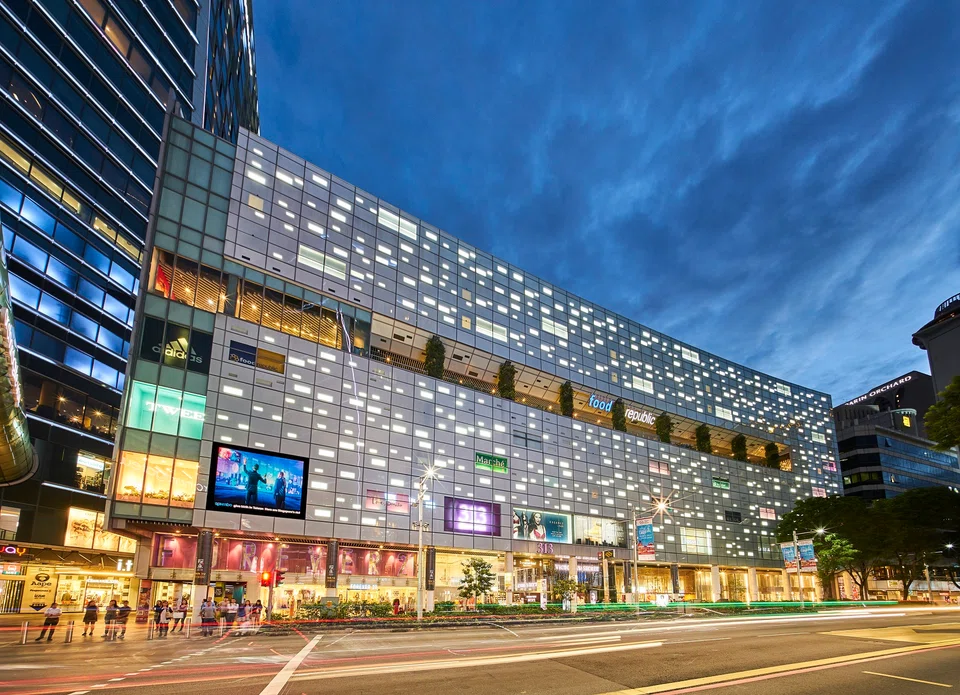
In the near term, the manager has plans to optimise the remaining untapped gross floor area of 10,200 square feet from the Urban Redevelopment Authority Master Plan 2019 to maximise the full potential of 313@somerset and create new value for Lendlease Reit’s unitholders.
For Jem, while there is no additional plot ratio granted, the manager will look to convert spaces into leasable units to generate additional revenue.
The Reit has a gearing ratio of 39.4 per cent with gross borrowings amounting to S$1.415 billion. As at Sep 30, Lendlease Reit has undrawn debt facilities of S$172.2 million to fund its working capital, with over two-thirds of its borrowings hedged to a fixed rate.
Kelvin Chow, chief executive of the manager, said he expects the positive momentum driven by tourism recovery and a rising number of the return-to-office crowd to underpin the Reit’s performance for the financial year.
“In addition, we are looking to increase non-rental revenue, unlock savings through the adoption of smart technologies to improve the efficiency of the assets and reduce non-core expenses to cushion the impact from rising interest rates and utilities costs,” added Chow.
Units of the Reit ended Friday (Nov 4) 0.7 per cent or S$0.005 higher at S$0.70.
Decoding Asia newsletter: your guide to navigating Asia in a new global order. Sign up here to get Decoding Asia newsletter. Delivered to your inbox. Free.
Copyright SPH Media. All rights reserved.