

Long-time US finance CEOs eye exit post-Covid
A CHANGING of the guard is expected soon on Wall Street.
Executive search firms are anticipating an uptick in resignations as the average tenure of America’s top finance chiefs grows to the longest of any sector, and those who may have delayed leaving to provide stability through the Covid-19 pandemic look to exit.
“People are like, ‘I’m done. I don’t want to go back into the office’,” Ash Athawale, senior group managing director at recruiter Robert Half, said. “‘I’ve done my time. I’ve taken my organisation through something that nobody was prepared for’.”
That see-it-through mentality is analogous to some of their peers during the 2008 financial crisis, Spencer Stuart Inc consultant Marie Ford said. Barclays’ John Varley, who steered the British bank through the turmoil, and Citigroup’s Vikram Pandit, who navigated the lender around a near collapse, were replaced in 2011 and 2012 respectively.
“We will start to see a higher rate of succession in the next couple years,” Ford said.
The average tenure of the 59 finance CEOs in the S&P 500 is approaching 11 years, up from about eight years in 2018, Bloomberg data indicates. Finance still holds the top spot even when excluding outliers such as Berkshire Hathaway’s Warren Buffett, who has been CEO for nearly 54 years.
An increase in CEO turnover could present challenges for companies and investors alike. Finance firms are often more complex and more regulated than their peers, making the pool of qualified candidates smaller and succession therefore harder, while changes at the top can hurt stock prices, at least in the near term.
When Morgan Stanley’s James Gorman announced in May he was stepping down, the bank’s shares slid as much as 2.6 per cent. The change and resulting succession uncertainty were short-term negatives for the company following his successful tenure, analysts said at the time.
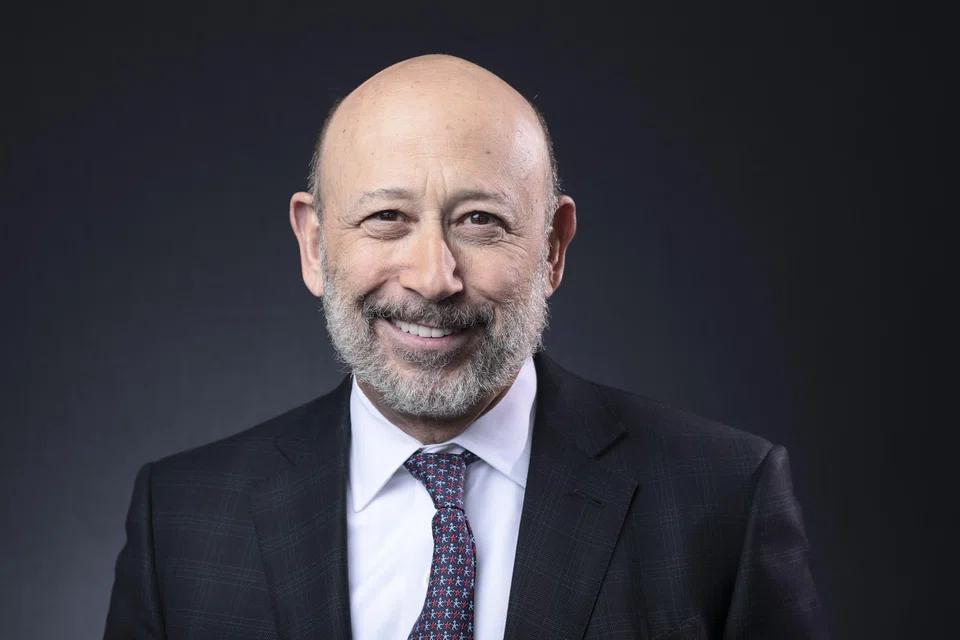
Former Goldman Sachs Group head Lloyd Blankfein famously said in his 2018 farewell memo that bank bosses cannot leave when times are tough, and do not want to leave when times are better. Wall Street chiefs can make tens of millions a year, and boards may be hesitant to replace them during busts.


“These CEOs have knowledge and connections with the regulators,” Athawale said. “Even if you have a CEO who’s not doing as amazingly as the board would expect, they keep him on or her on because it’s a lot more difficult to replace that individual.”
Founders also drag the average tenure up. Six of the 10 longest-serving CEOs in finance are founders, and two are relatives of founders, according to Spencer Stuart’s Ford. Building legacy is “doubly or triply” a factor for them, she said.
The increase in tenure has helped to make finance the oldest sector in the S&P 500. It now has more CEOs that are 60 years old and above than any other industry, while the percentage of finance chiefs in that age range has gone from 32 per cent a decade ago to 64 per cent today, based on Bloomberg data.
Finance CEOs in the S&P 500 are now also the oldest of any sector on average – over 62 years old, up from 58 a decade ago. Fifth Third Bancorp’s Timothy Spence, 44, is the youngest finance chief, while Berkshire’s Buffett is the oldest at 93. The data compared the index’s current membership to the 475 companies with available CEO age data for 2013.
The average age and tenure may continue to rise as the heads of some of Wall Street’s biggest and most influential firms, like JPMorgan Chase & Co and BlackRock, work into their late 60s and 70s.
“I love what I do,” JPMorgan chief Jamie Dimon, 67, said during a May interview. “I’m quite happy doing it. I still have the energy to do it,” he said. Similarly, BlackRock’s Larry Fink, 70, said in June he has no plans to retire. BLOOMBERG
Decoding Asia newsletter: your guide to navigating Asia in a new global order. Sign up here to get Decoding Asia newsletter. Delivered to your inbox. Free.
Share with us your feedback on BT's products and services
TRENDING NOW

OCBC mobile, online banking services restored after Friday afternoon disruption

SGX CEO Loh Boon Chye to step down; succession planning under way

Waymo founder predicts ‘landslide’ robotaxi adoption in Singapore, driven by high car costs

Vietnam’s northern provinces, not Hanoi or Ho Chi Minh City, are powering near 10% GDP growth

