

LSEG investors Thomson Reuters, Blackstone to sell £2.3 billion shares in bourse operator
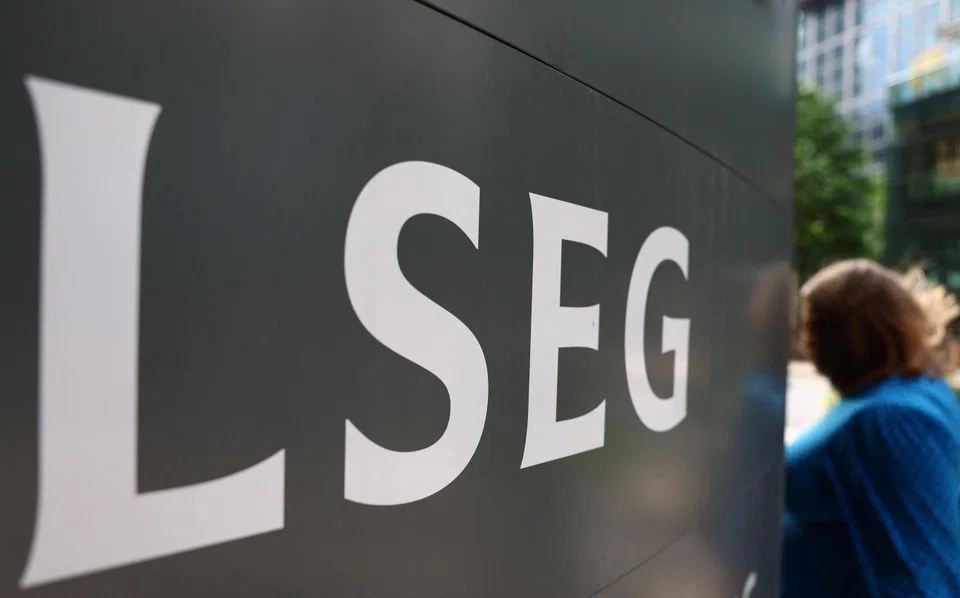
INVESTORS in the London Stock Exchange Group (LSEG), including Blackstone and Thomson Reuters, are launching a sale of roughly 28.3 million shares worth about £2.3 billion (S$3.9 billion), bookrunners for the deal said on Wednesday (Sep 6).
This follows a sale in May of about US$3.4 billion shares in the bourse operator as the investor group seeks to offload its stake in LSEG.
The consortium, which includes Canada’s CPPIB and Singapore’s GIC, aims to sell a total of about 43.1 million shares over time in LSEG through the offering, a directed buyback and a sale of call options, bookrunners said.
LSEG separately said it plans to buy back about £750 million worth of limited-voting ordinary shares through an off-the-market purchase.
Thomson Reuters, Blackstone, and GIC did not immediately respond to requests for comment. CPPIB declined to comment.
The consortium holds about an 18.7 per cent economic interest and an 11.3 per cent voting interest in LSEG. Following the completion of the latest deals, the group’s remaining voting shares and limited-voting ordinary shares will be under a 180-day lock-up period.


Thomson Reuters, the parent of Reuters News, holds a minority stake in LSEG. Thomson Reuters and Blackstone sold financial data firm Refinitiv to the bourse operator in 2021. REUTERS
Decoding Asia newsletter: your guide to navigating Asia in a new global order. Sign up here to get Decoding Asia newsletter. Delivered to your inbox. Free.
Share with us your feedback on BT's products and services
TRENDING NOW

Singapore identifies 7 firms responsible for haze fires, notices issued urging action: Grace Fu

Could stablecoins be the future of money?

Singapore should prepare for prolonged haze until November, says Grace Fu

High Court rules against Julius Baer’s Singapore trust arm in US$50 million family trust dispute

